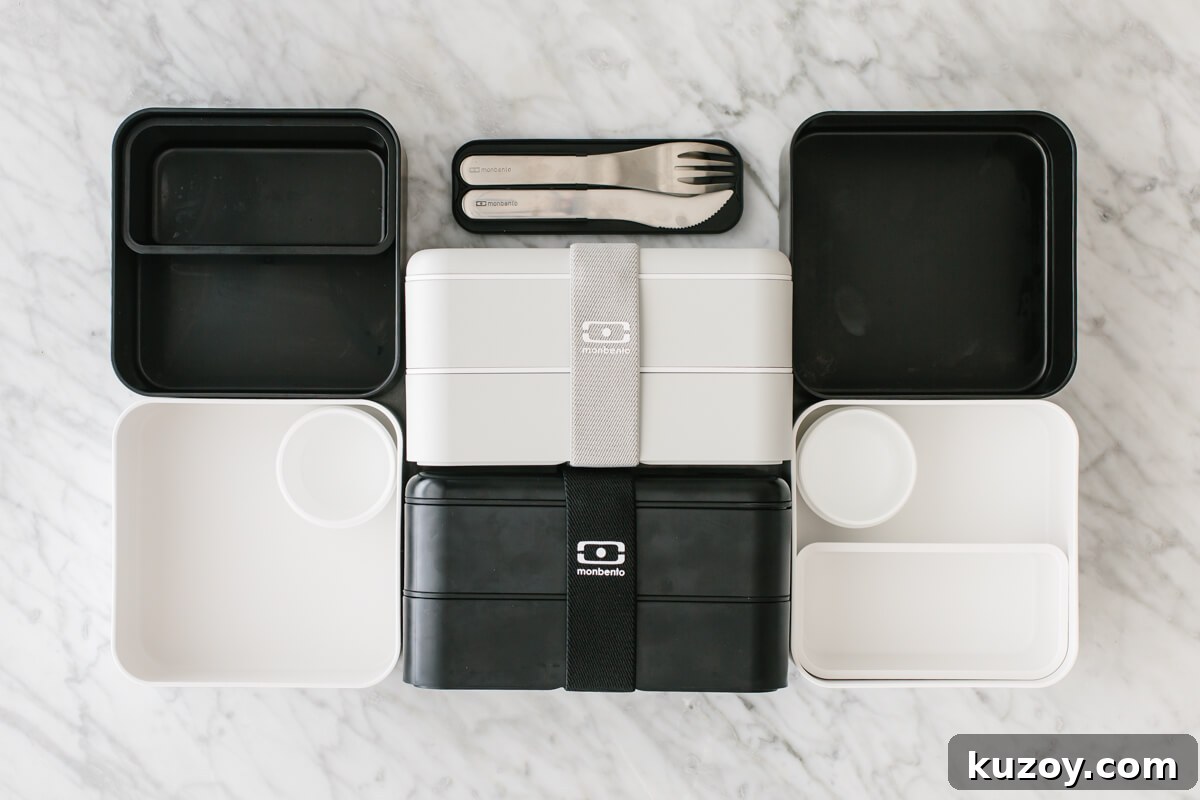
Bento boxes add a bit of joy and creativity to packing lunches for school, work, or day trips. With their divided compartments, they make it easy to assemble a colorful, balanced meal that’s satisfying and portable. If the idea of building a bento feels intimidating, these clear tips and practical ideas will help you assemble attractive, nutritious lunches with minimal fuss.
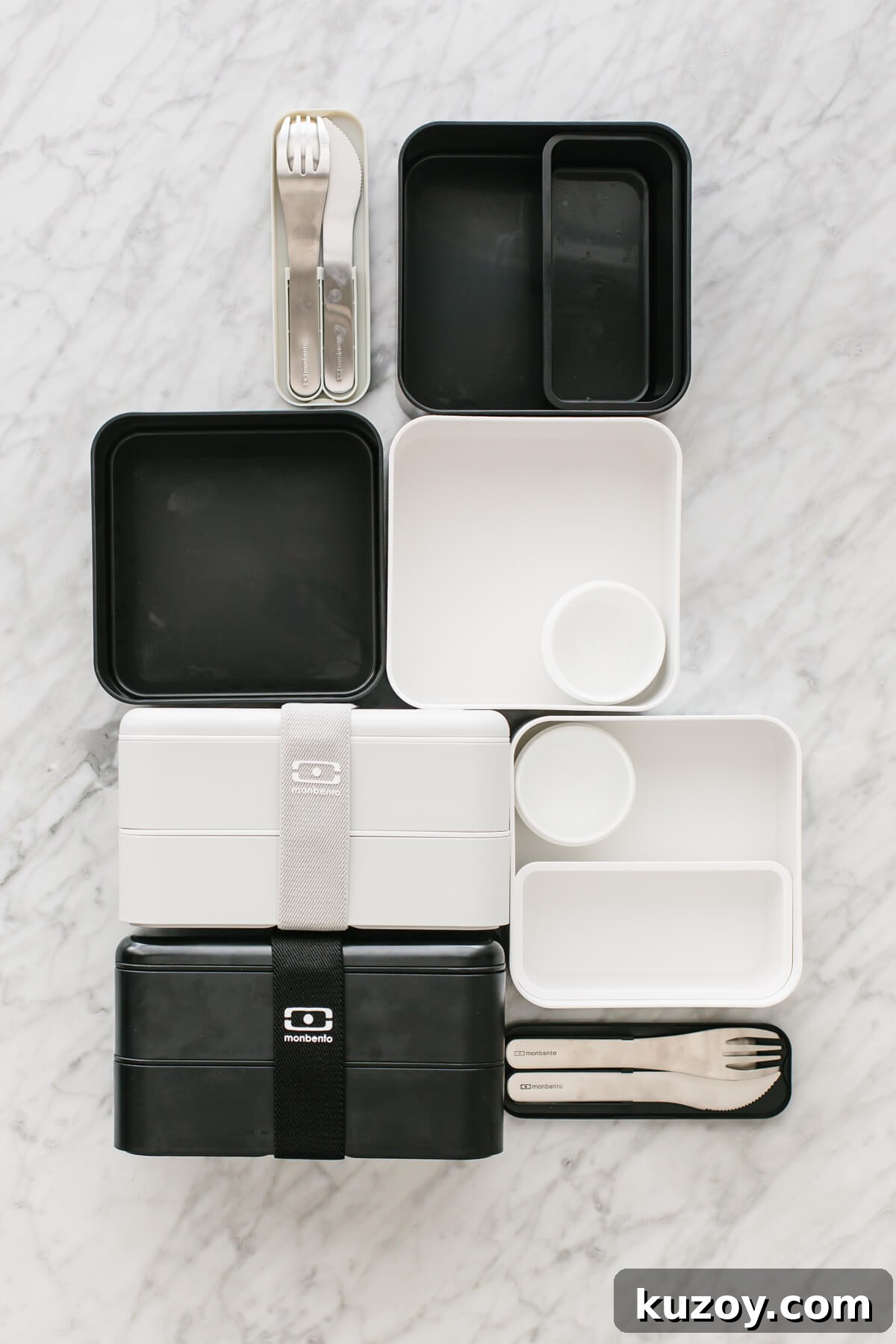
What Is a Bento Box?
Bento boxes are a beloved Japanese tradition centered on neatly arranged, portioned meals in compact containers. They’re ideal for people who travel daily or have busy schedules because they keep a variety of bite-sized foods organized and easy to eat on the go. Beyond convenience, bentos emphasize a balanced mix of flavors, textures, and colors so each meal is enjoyable and nourishing.
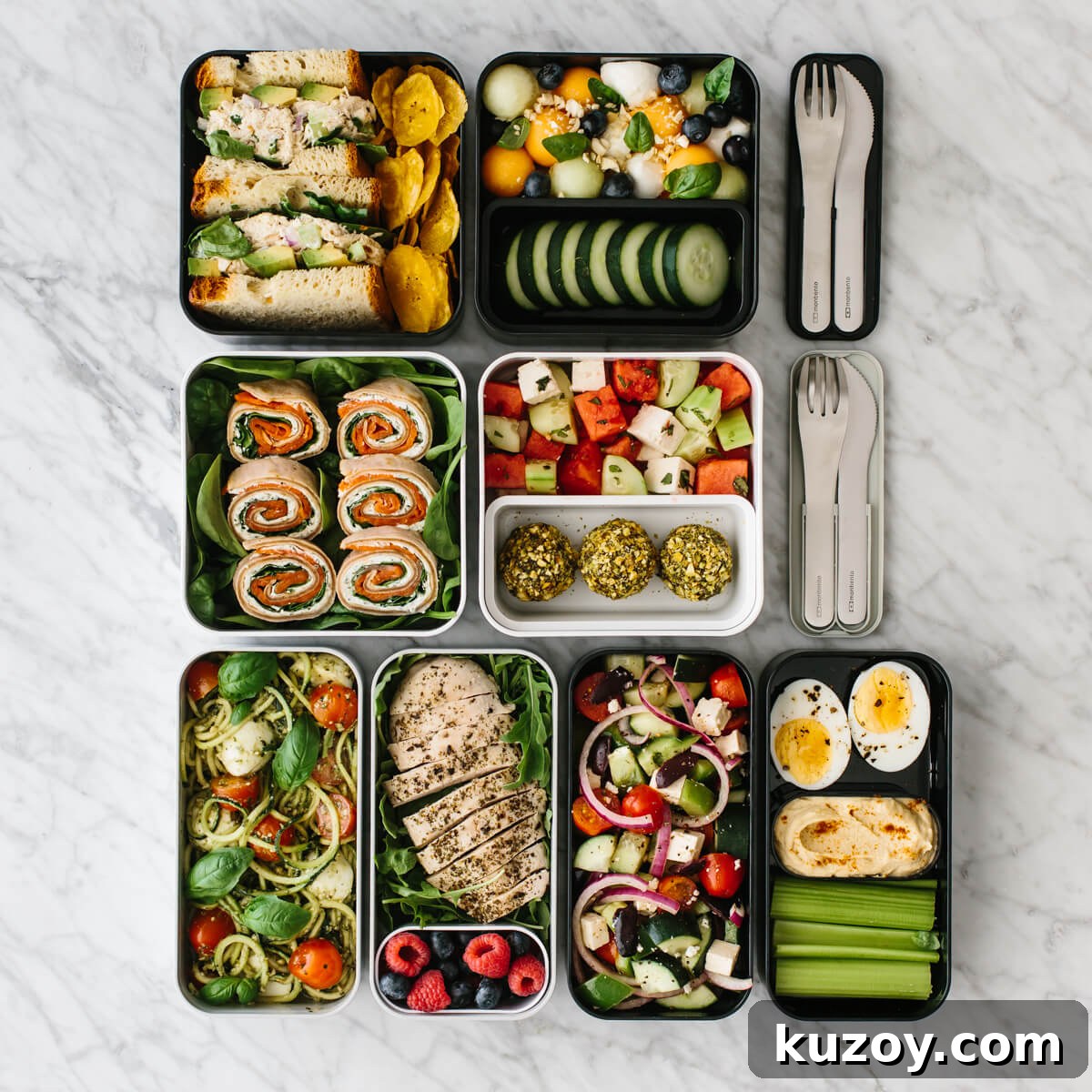
Traditional bentos often include rice, a protein such as fish or meat, and a selection of vegetables and fruit. Modern interpretations expand that palette to sandwiches, salads, yogurts, small desserts, and more—so you can adapt the concept to adult tastes as well as kids’ preferences. Simple ingredients can be arranged creatively to produce attractive, satisfying lunches that support a healthy lifestyle.
Basic Rules to Keep in Mind
- Keep it nutritionally balanced. Aim to include carbohydrates, protein, vegetables, and fruit so your lunch fuels the rest of your day. Combining nutrient-dense components makes the meal filling and sustaining.
- Presentation matters. A thoughtfully arranged meal looks inviting and can make the eating experience more enjoyable. Treat the box as a canvas—vary textures, shapes, and colors for visual appeal and better flavor contrasts.
- Make it quick and practical. Choose recipes and components that can be eaten cold or at room temperature, like salads, wraps, sandwiches, and chilled proteins. Planning ahead and using simple make-ahead elements shortens prep time on busy mornings.
- Save money and reduce waste. Bento packing encourages using affordable staples and stretching recipes across multiple meals. Preparing a few core components—like a batch of chicken, a pot of lentils, or a tray of roasted vegetables—covers multiple lunches and reduces food waste.
How to Make a Bento Lunch Box
Choose the Right Container
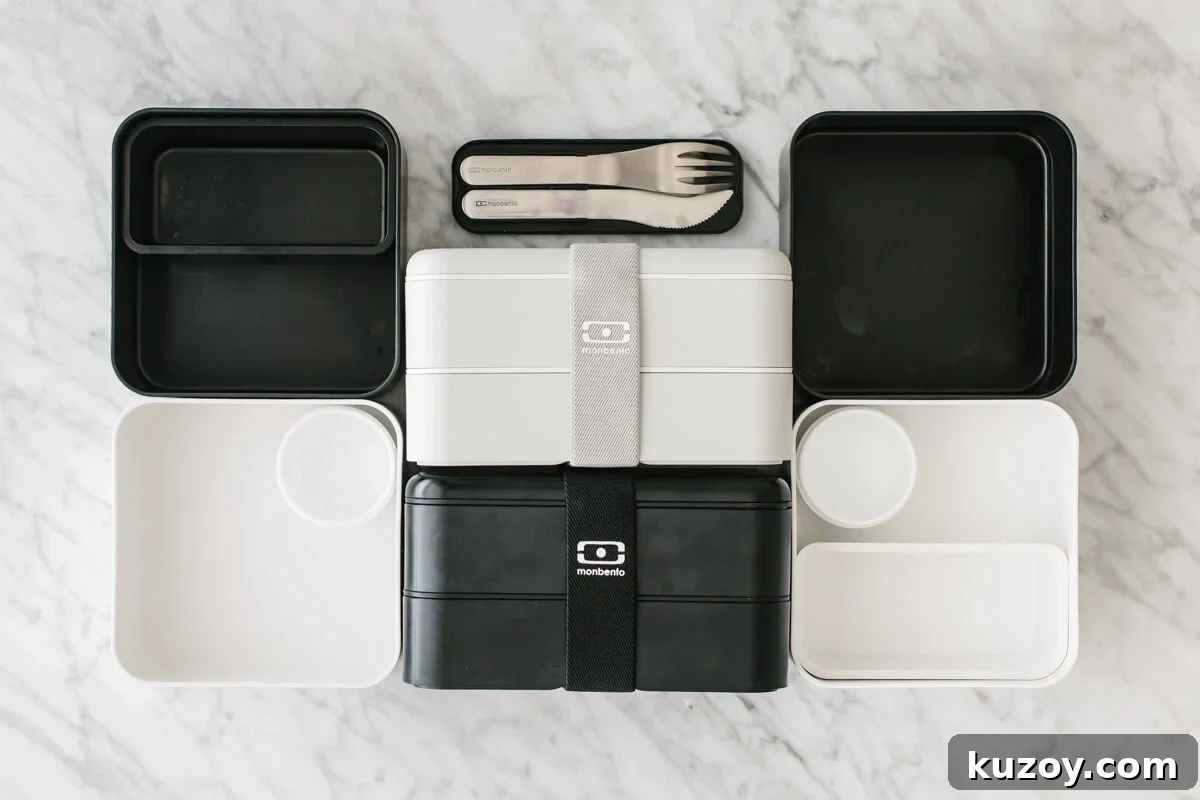
Bento boxes come in many shapes, sizes, and materials. Selecting the right container for your needs will make packing and transporting food easier.
- Storage space: Decide whether you need a single-layer box or a stacked design. Stacked boxes are useful if you want separate layers for sandwiches, salads, and snacks.
- Dividers: Boxes with compartments or removable dividers help keep wet and dry foods separate and maintain presentation. They’re especially handy for dips, spreads, and mixed snacks.
- Secure lid: Look for leak-resistant lids and tight seals to keep food fresh and prevent spills when carrying your bento in a bag.
Consider weight and durability—glass meal-prep containers are great for home storage but heavier and more fragile for travel. Lightweight, durable bento boxes made from sturdy materials are often the best choice for everyday on-the-go lunches.
Think Packable Foods
One advantage of bento boxes is relying on items that taste great without reheating. Plan meals that hold up at room temperature and travel well.
- Proteins: Roasted or poached chicken, canned tuna or salmon, smoked fish, and cured meats like prosciutto are flavorful, portable options.
- Plant proteins: Cooked lentils, chickpeas, and other legumes are protein-rich and versatile for salads or bowls.
- Eggs: Hard-boiled eggs are convenient as a snack or chopped into salads.
- Cooked vegetables: Steamed or roasted vegetables that have cooled—such as broccoli, cauliflower, or squash—add substance and nutrients.
- Raw vegetables: Crunchy options like carrots, bell peppers, cucumbers, and celery are great for snacking and keeping a crisp texture. Pack dressings separately to prevent sogginess.
- Fruits: Seasonal fruits—berries, grapes, sliced apples, or stone fruit—bring natural sweetness and color to the box.
- Salty and crunchy snacks: Nuts, seeds, whole-grain crackers, and small batches of trail mix add texture and keep you satisfied between bites.
- Dips and spreads: Hummus, yogurt-based dips, nut butters, and similar spreads pair well with veggies, crackers, and fruit. Keep them in small sealed containers to avoid spills.
Create a Fun and Balanced Meal
As you piece together a bento, aim for balance: a satisfying protein, a portion of carbohydrates, plenty of vegetables, and a serving of fruit. Use compartments to separate flavors and textures so each component stays appealing.
Color plays a big role in both nutrition and presentation—mix leafy greens, bright vegetables, and colorful fruit to make the meal visually inviting. Add small touches like a bed of greens under a sandwich, a compact fruit salad, or a handful of pickled vegetables to elevate both taste and appearance.
With a little planning and practice, assembling bento boxes becomes fast and enjoyable. Prepare a few staple elements during weekend meal prep, and you’ll be able to throw together nourishing, attractive lunches throughout the week that save time, reduce waste, and make midday meals something to look forward to.