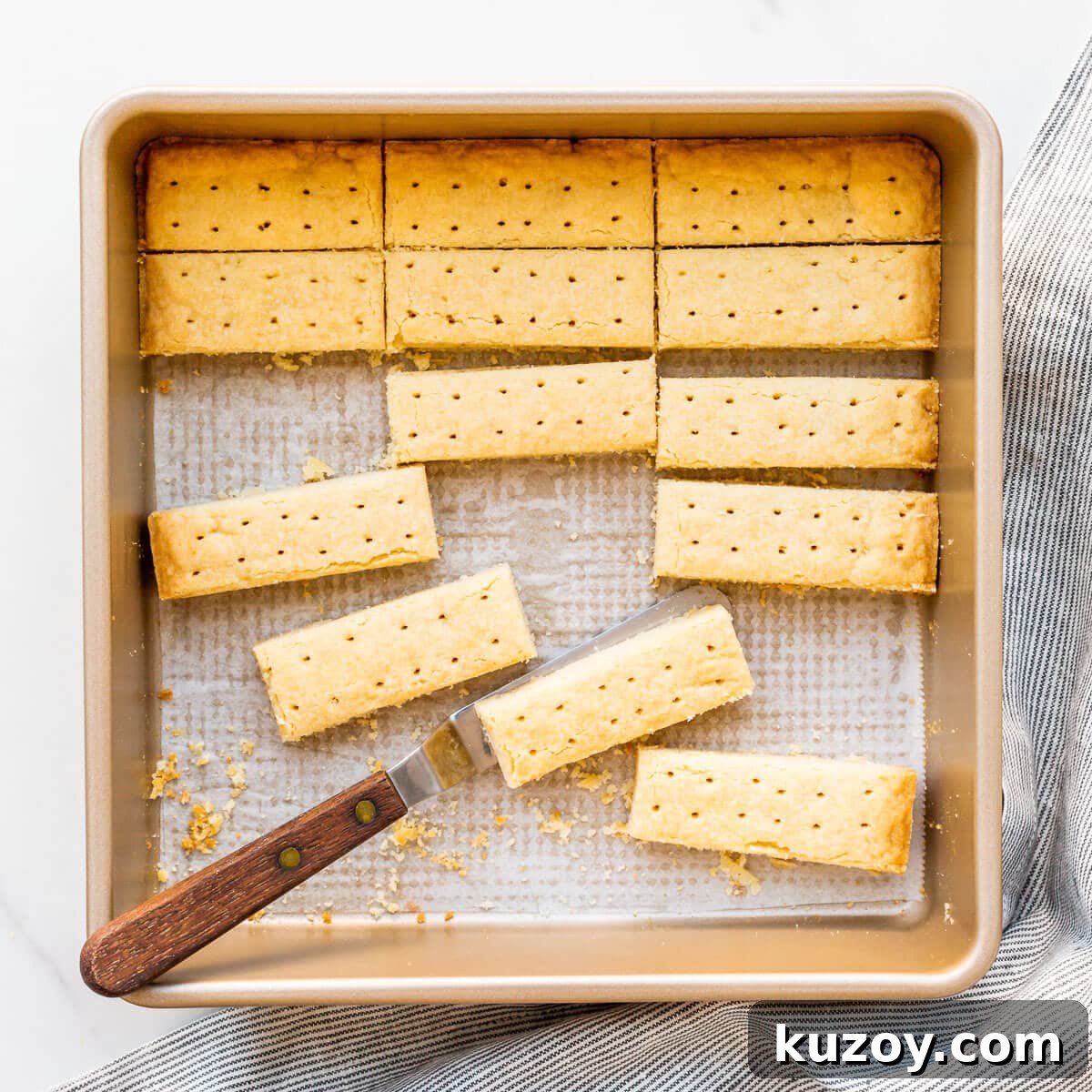
This easy recipe for 3-ingredient shortbread cookies uses a simple 1:2:3 ratio: 1 part granulated sugar, 2 parts butter, and 3 parts all-purpose flour by weight (plus a pinch of salt). The dough is pressed into a square pan, scored, and baked as bars for a classic sandy, buttery texture. The ratio makes the recipe easy to scale and adapt so you can personalize flavours and shapes while keeping reliably good results.
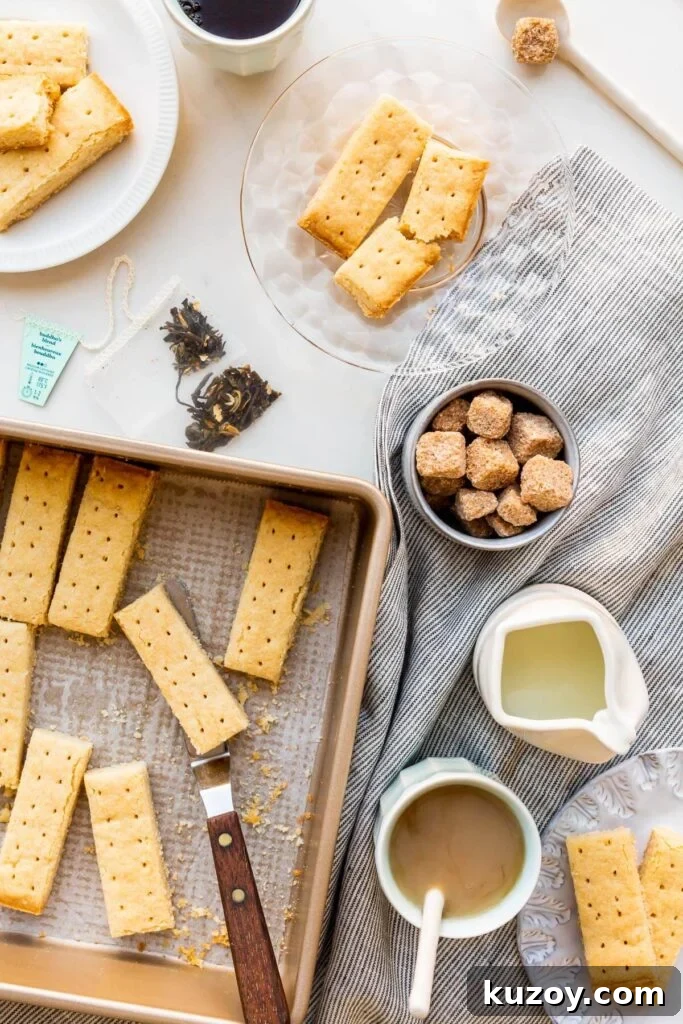
Traditional shortbread is made from butter, sugar, and flour. Some bakers omit salt, but a little salt balances the sweetness and brings out the butter flavour, so I include it. Variations exist—some recipes add eggs or milk for more structure—but purists insist shortbread should remain three-ingredient. The key is the balance of those core ingredients; the 1:2:3 ratio reliably produces a tender, crumbly shortbread that holds together without becoming greasy.
The amount of butter is critical: too much will yield cookies that are decadent but fragile and crumbly. Crumbly shortbread is delicious—use it as a topping for desserts if the pieces break—but if you prefer neat bars, respect the ratio and the mixing method for a better hold.
Ingredients
Shortbread uses pantry staples. For a classic result you’ll want:
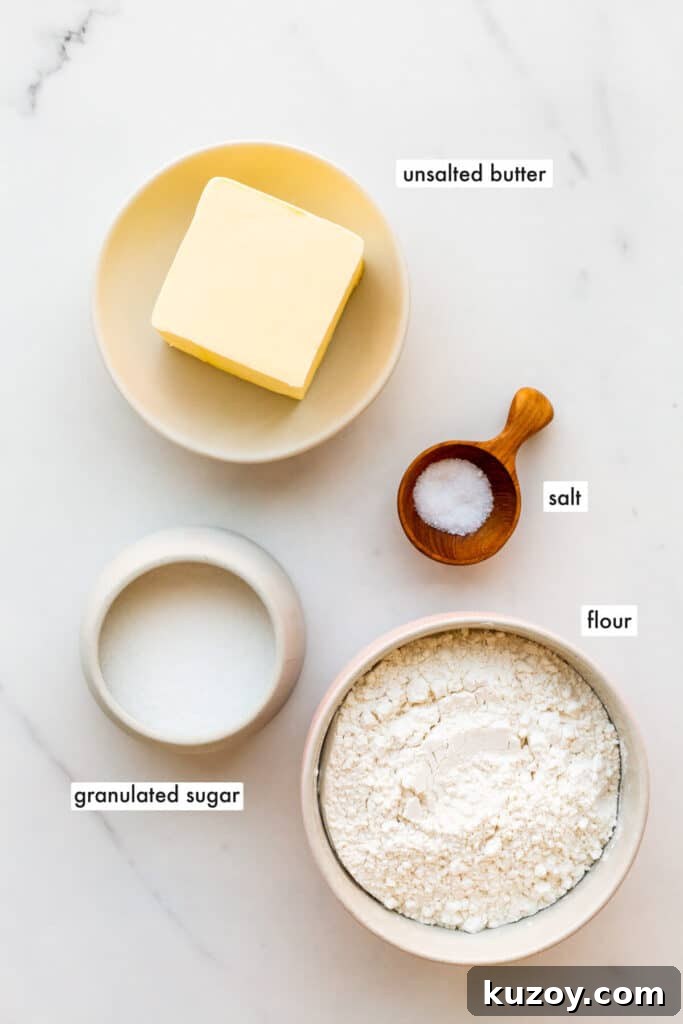
- Unsalted butter — room temperature, so you control seasoning.
- Granulated sugar — keeps the texture crisp and sandy.
- All-purpose flour — provides structure without toughness.
- Salt — optional but recommended; if using table salt, reduce the amount.
The recipe card below includes exact weights and measurements so you can follow the 1:2:3 ratio precisely.
Substitutions and Variations
The 1:2:3 shortbread is an excellent base for many flavour experiments and shape options.
- Sugar type: Granulated sugar gives a sandy, crisp texture. Confectioners’ sugar (icing sugar) produces a more tender, melt-in-the-mouth result.
- Shape:
- Press the dough into a pan and cut into bars after baking, or shape into a log, chill, then slice-and-bake for round cookies.
- Use the pressed pan method as a base for bars—try caramel shortbread (millionaire’s shortbread) with a caramel layer and chocolate topping.
- Flavour additions: Purists may object, but small additions make lovely variations:
- Vanilla: 1 tsp vanilla extract mixed with butter and sugar.
- Chocolate chip: Stir in 1/2 cup mini chips.
- Citrus: Add 1 tbsp lemon, orange, or lime zest.
- Tea: Fold 2 tbsp finely ground tea leaves into the flour.
- Spices: 1 tsp cinnamon or cardamom with the flour.
- Nuts: 1/2 cup finely chopped toasted nuts added with the flour.
- Seeds: 3 tbsp sesame or poppy seeds mixed into the dough.
- Brown sugar or maple sugar: Replace up to half the white sugar by weight for a softer, flavourful cookie.
- Alternative flours: Replace up to ~95 g of AP flour with buckwheat or rice flour to reduce gluten and create a more tender shortbread; cocoa powder can replace part of the flour for chocolate shortbread.
Directions
Shortbread is straightforward when you follow a few simple steps.
Step 1: Use the creaming method—beat the room-temperature butter with the sugar and salt until smooth, light, and creamy. This helps distribute fat and sugar evenly.
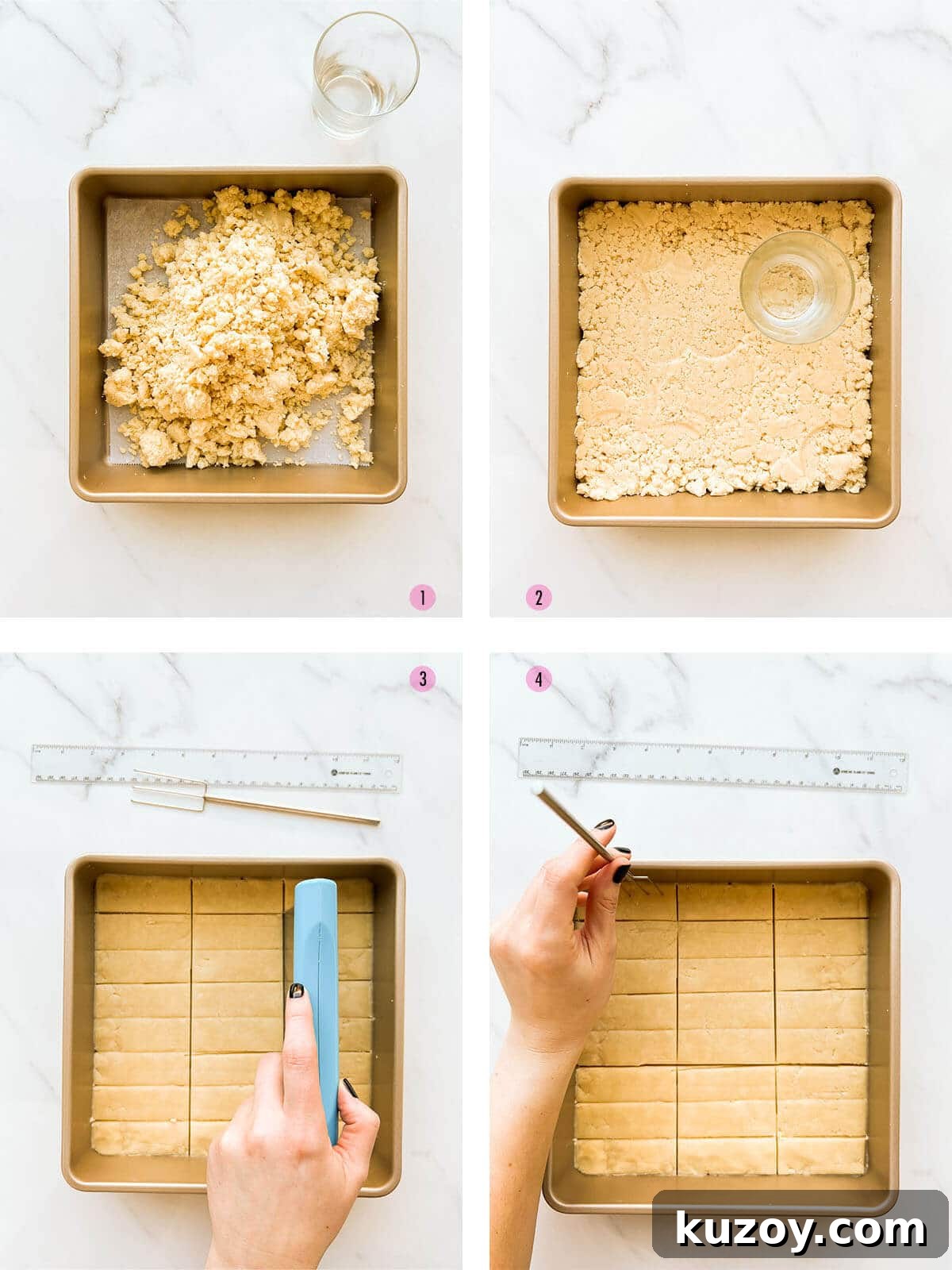
Step 2: Add the flour and mix until the dough forms a sandy crumble that holds together when pressed. Transfer the mixture to a lined 9-inch (23 cm) square pan and spread it evenly. Press the dough firmly with your fingertips or a flat-bottomed glass so the surface is smooth and compact.
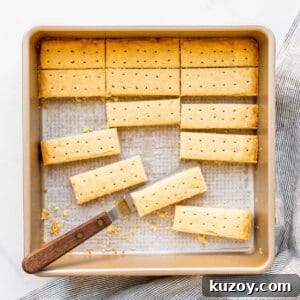
Step 3: Score the dough into 24 rectangles, then dock with a fork to allow steam to escape while baking. Bake at 350°F (175°C) for 35–40 minutes, or until the edges are set and golden. Let cool in the pan for a few minutes, re-cut along the scores, then cool completely before removing the pieces.
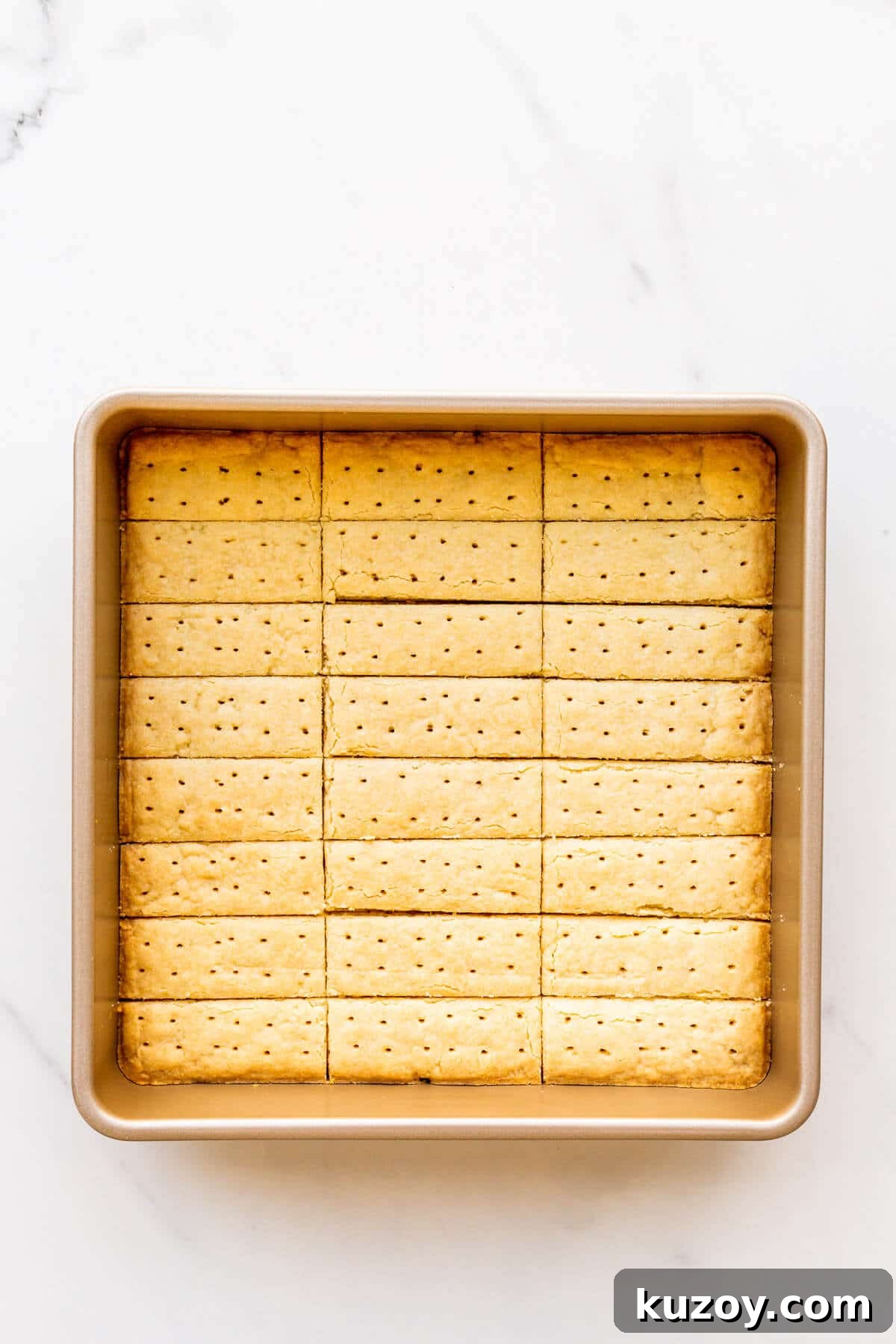
For reliably dry, sandy shortbread, you can transfer the pieces to a baking sheet and give them a short second bake at a lower temperature (around 325°F / 160°C) until the centers are fully dry. This helps avoid gummy middles and produces the classic shortbread texture.
Shortbread Cookie Baking Tips
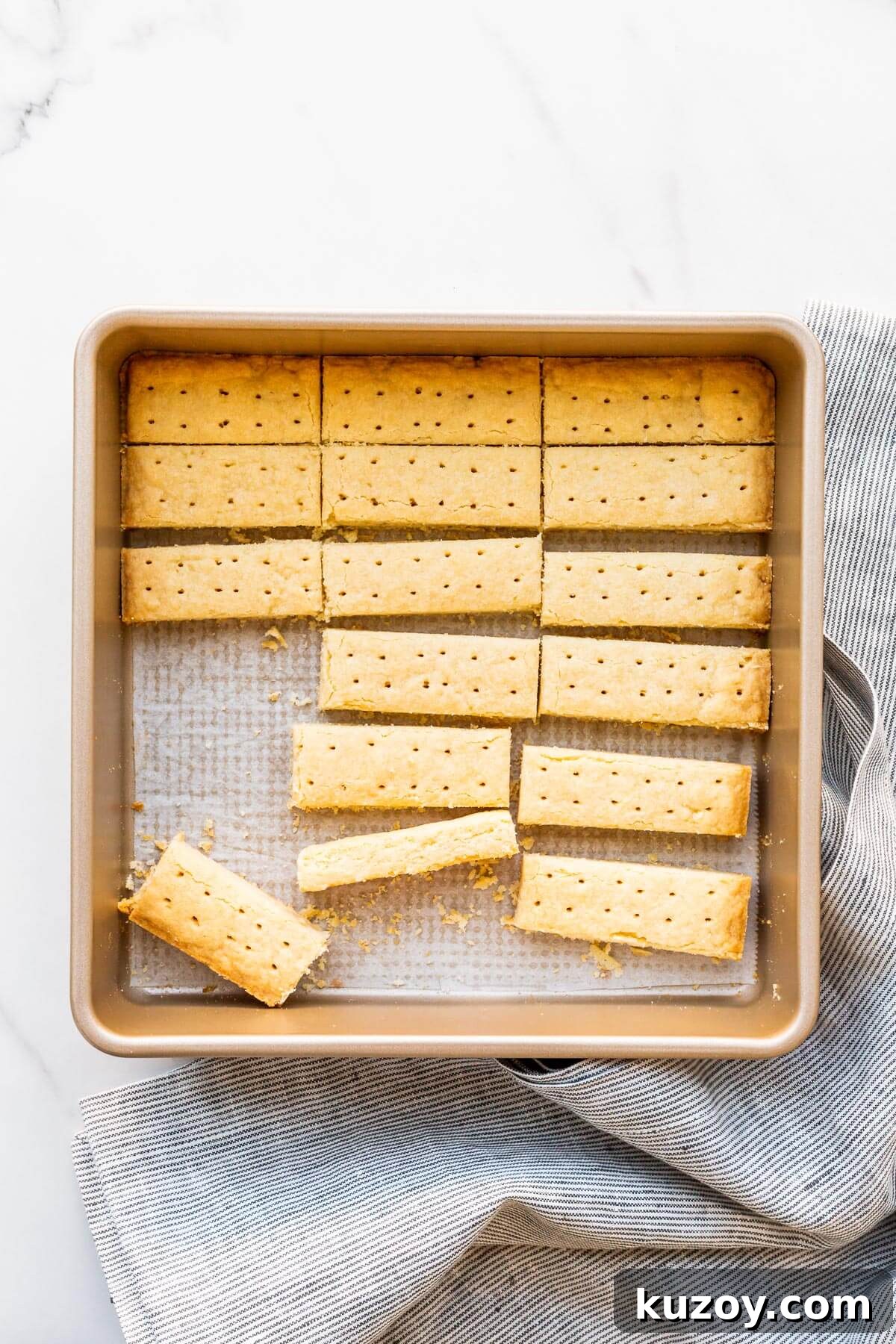
- If your shortbread is chewy or gummy, try docking the dough, baking a second time at lower heat, or baking longer to dry them out.
- To prevent soggy shortbread, ensure the dough is baked through. Use a metal pan for even heat transfer and consider a lower temperature for a longer bake.
- Crumbly shortbread usually means too much butter or the wrong type of fat; butter contains water that helps gluten form slightly, so alternative fats may need a splash of liquid to bind the dough.
- Some prefer pale shortbread; others like lightly golden edges. Bake until the center looks dry and edges are set for the texture you prefer.
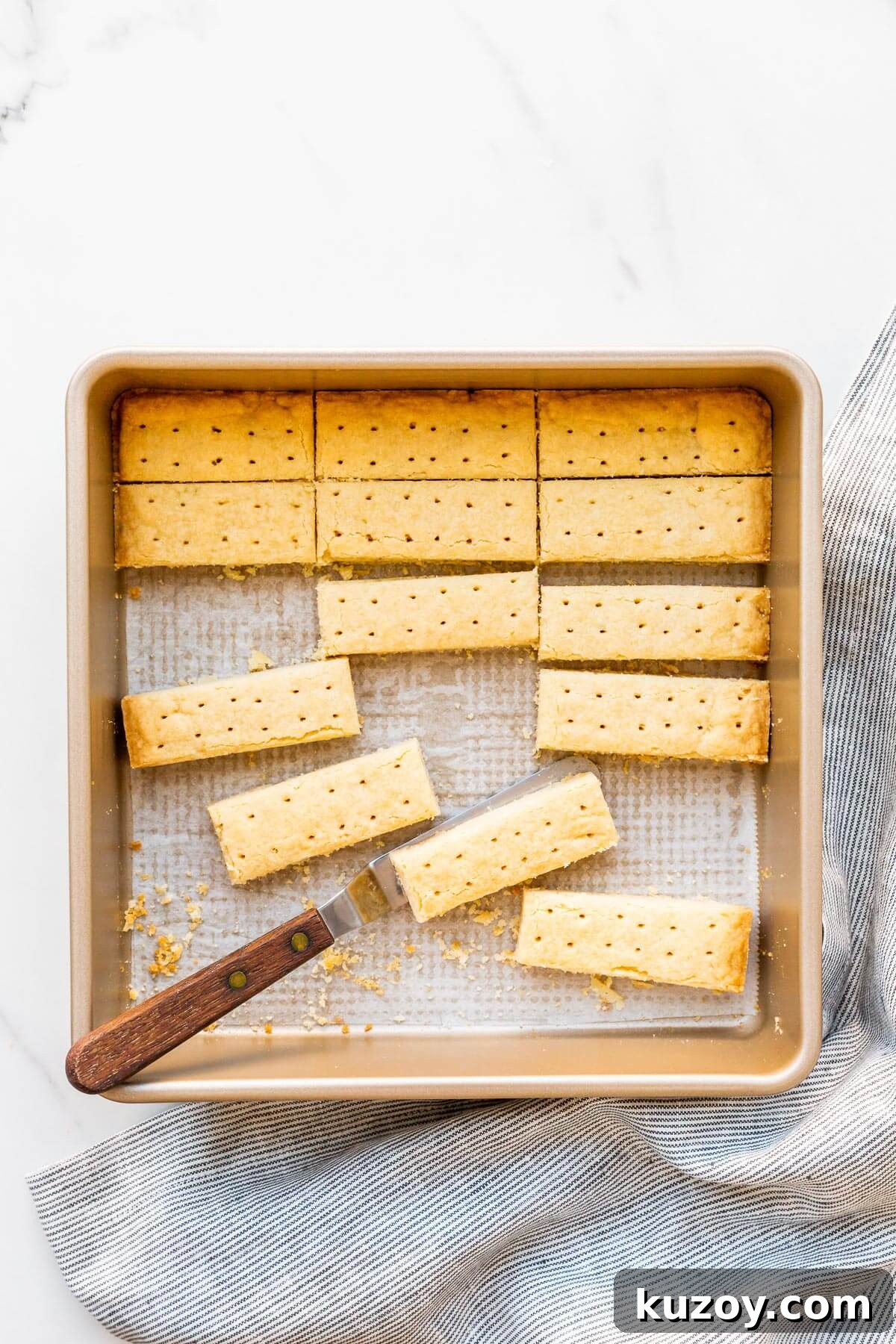
Shortbread Cookie Baking FAQs
“Short” in baking refers to a high proportion of fat, which produces a tender, crumbly texture. In shortbread, higher butter content makes the cookie more “short” or sandy.
Store fully cooled shortbread in an airtight container in a cool, dry place to preserve texture and flavour.
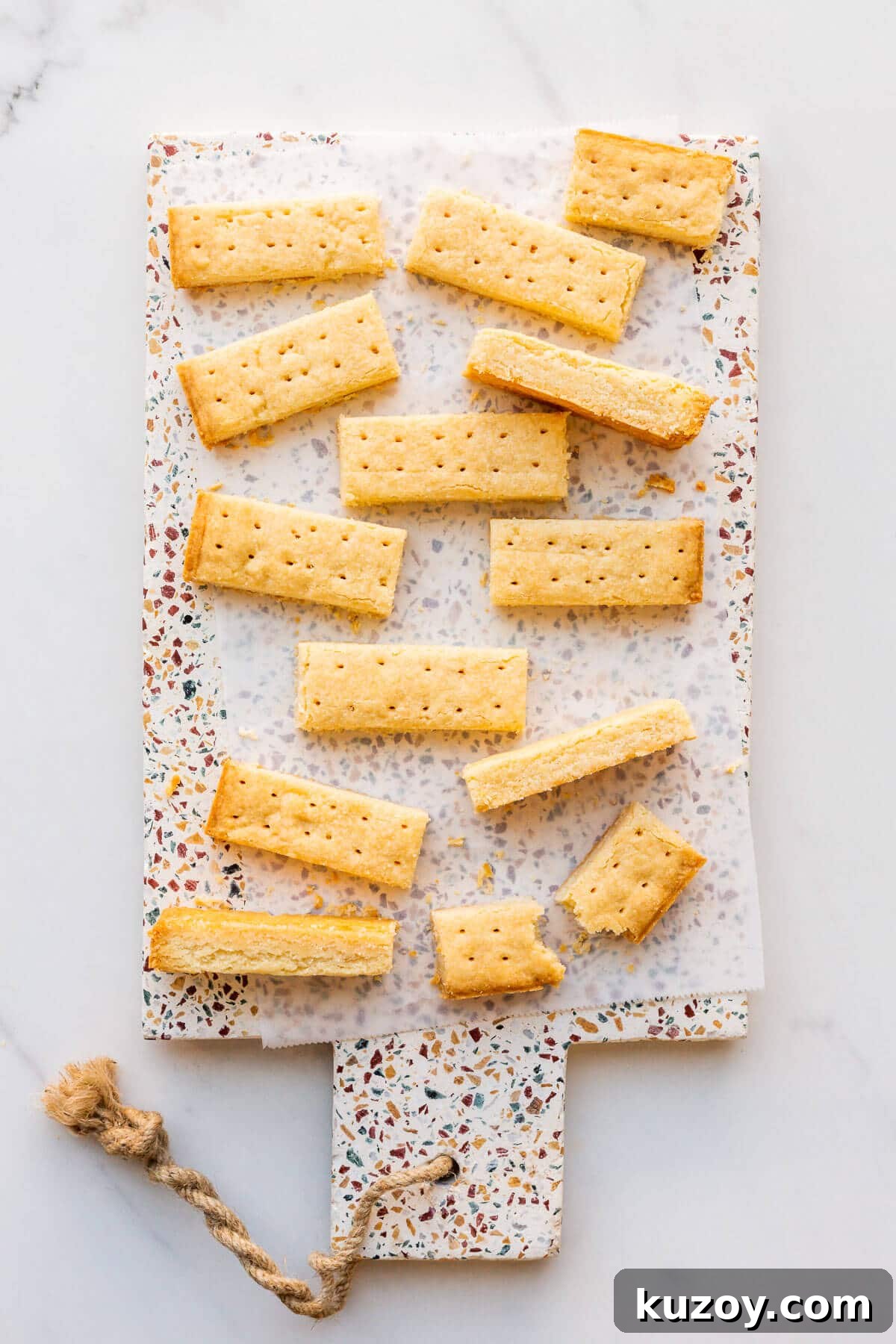
Other Shortbread Cookies to Try
If you enjoy this 1:2:3 shortbread, try variations such as jam-filled shortbread, nut crescent cookies, maple shortbread, or slices made with buckwheat flour. The same ratio can be adapted for many textures and flavours.
If you try this shortbread recipe, please leave a star rating and a comment to share how it turned out—I love hearing from readers.
📖 Recipe
Shortbread Cookies
Ingredients
- 230 grams unsalted butter, room temperature
- 115 grams granulated sugar
- 3.75 mL fine kosher salt (or less if using table salt)
- 345 grams bleached all-purpose flour
Instructions
- Fit parchment to the bottom of a 9-inch (23 cm) square pan. Preheat oven to 350°F (175°C).
- Cream the butter, sugar, and salt in a mixer with the paddle attachment until light and creamy, about 3–4 minutes. Scrape the bowl as needed.
- Add the flour and mix until the dough forms a sandy crumble that holds together when pressed.
- Spread the mixture evenly in the prepared pan and press firmly with a flat-bottomed glass or your fingertips.
- Score the dough into 24 rectangles, dock with a fork, and bake 35–40 minutes until the edges are golden and set.
- Cool 5 minutes in the pan, re-cut along the scores, then let cool 10 more minutes before unmolding. Cool fully before serving.
Notes
- If using table salt, reduce the salt amount by half to avoid oversalting.
- Add zest, spices, seeds, or nuts for flavour variations. Replace part of the sugar with brown or maple sugar for a different profile.
- For extra dryness and a sandy texture, transfer cut pieces to a parchment-lined sheet and bake at 325°F (160°C) for another 10–20 minutes until baked through.
- To avoid excessive browning but ensure doneness, try a lower temperature (around 300°F) for a longer time—low and slow helps even baking.
Nutrition
Carbohydrates: 16 g
Protein: 2 g
Fat: 8 g
Nutrition information is approximate.
How to Use Baking Ratios
Baker-friendly ratios let you scale recipes without recalculating every ingredient. The shortbread 1:2:3 ratio (sugar:butter:flour by weight) means you can make any size batch while keeping the same texture. For example, 100 g sugar, 200 g butter, and 300 g flour will produce the same balanced shortbread as larger or smaller batches following the same proportions.
Why Ratios Matter
Ratios reveal how ingredient relationships affect texture and performance. Knowing the ratio lets you adapt and experiment with confidence. A percentage like “33% butter” doesn’t tell you the full story; the balance between butter, sugar, and flour determines whether the cookies are greasy, sandy, tender, or crumbly. Work in ratios by weight for predictable results.
How to Calculate Ingredient Ratios
To calculate a ratio, divide each ingredient weight by the smallest weight in the recipe. In this shortbread: 115 g sugar, 230 g butter, 345 g flour. Dividing by 115 gives 1 : 2 : 3 (sugar : butter : flour). That’s why people call it a 1-2-3 or 3-2-1 shortbread.
Baking with Ratios Versus Percentages
Ratios are more intuitive for scaling than percentages. While you can convert a ratio into percentages of total dough, the ratio more directly communicates the balance between ingredients. Keep the proportion close to 1:2:3 and you’ll get consistent shortbread—whether you make a small or very large batch.