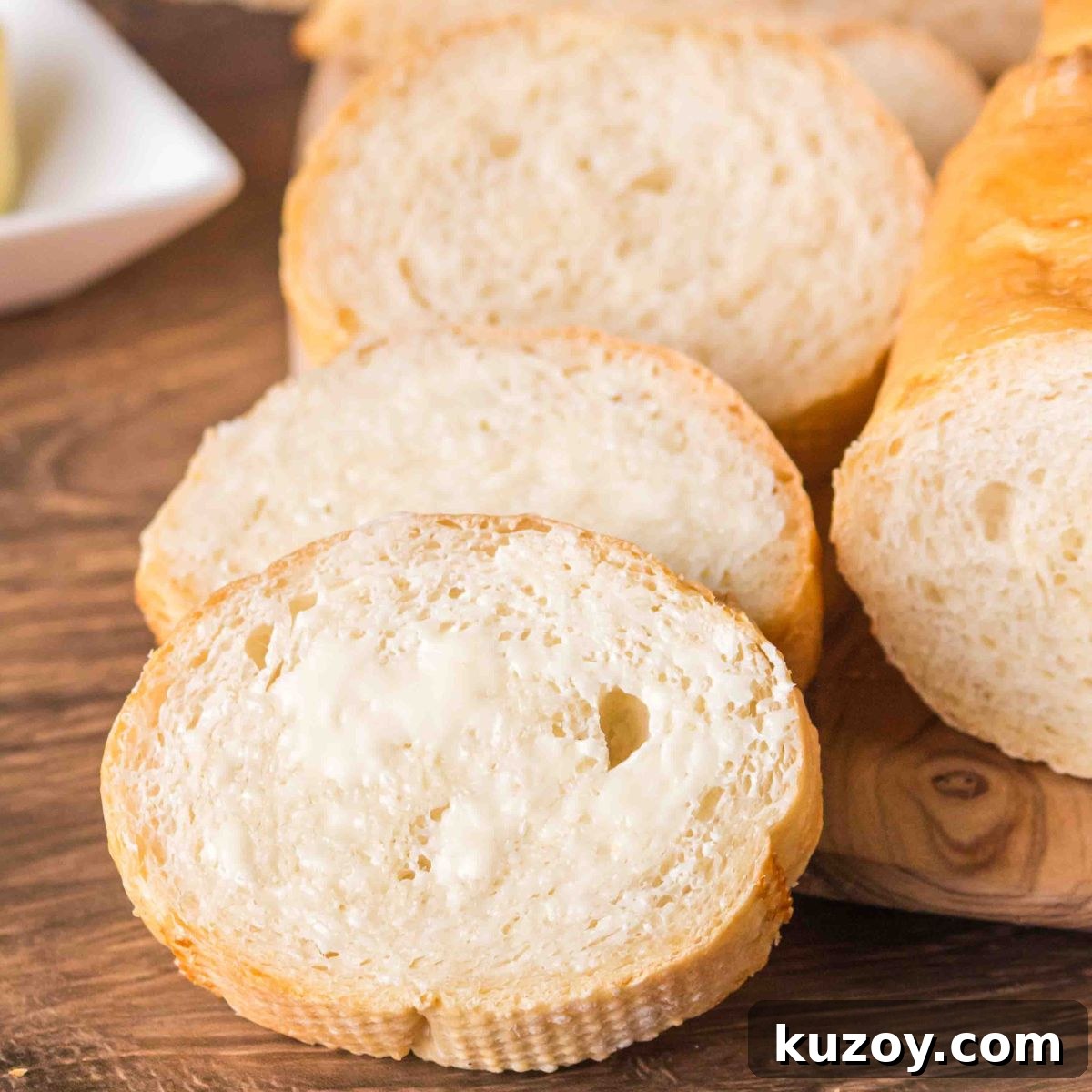
Prep Time: 15 minutes | Rise Time: 1 hour 45 minutes | Bake Time: 30–35 minutes | Total Time: ~2 hours 25 minutes Servings: 2 baguettes
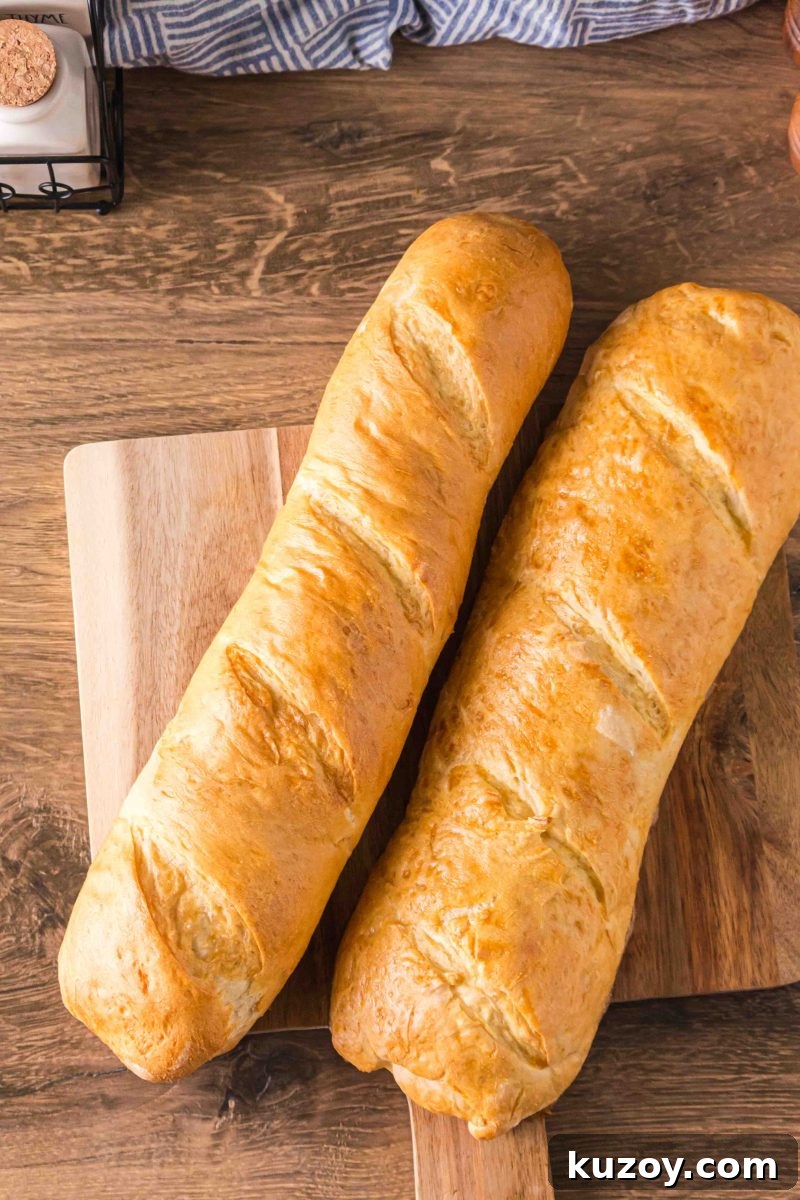
There’s Nothing Quite Like Homemade French Bread
If the scent of warm bread from a bakery ever stops you in your tracks, you can recreate that experience at home with this straightforward French bread recipe. It yields two classic baguettes with a crisp, golden crust and a soft, chewy interior. The ingredients are basic and likely already in your pantry.
This recipe is well suited to beginners. No special equipment is required — you can mix and knead by hand or use a stand mixer. The steps are clear and forgiving, and the result has that bakery-quality finish. These loaves are excellent for sandwiches, alongside pasta, or simply warmed and spread with butter.
What Is French Bread?
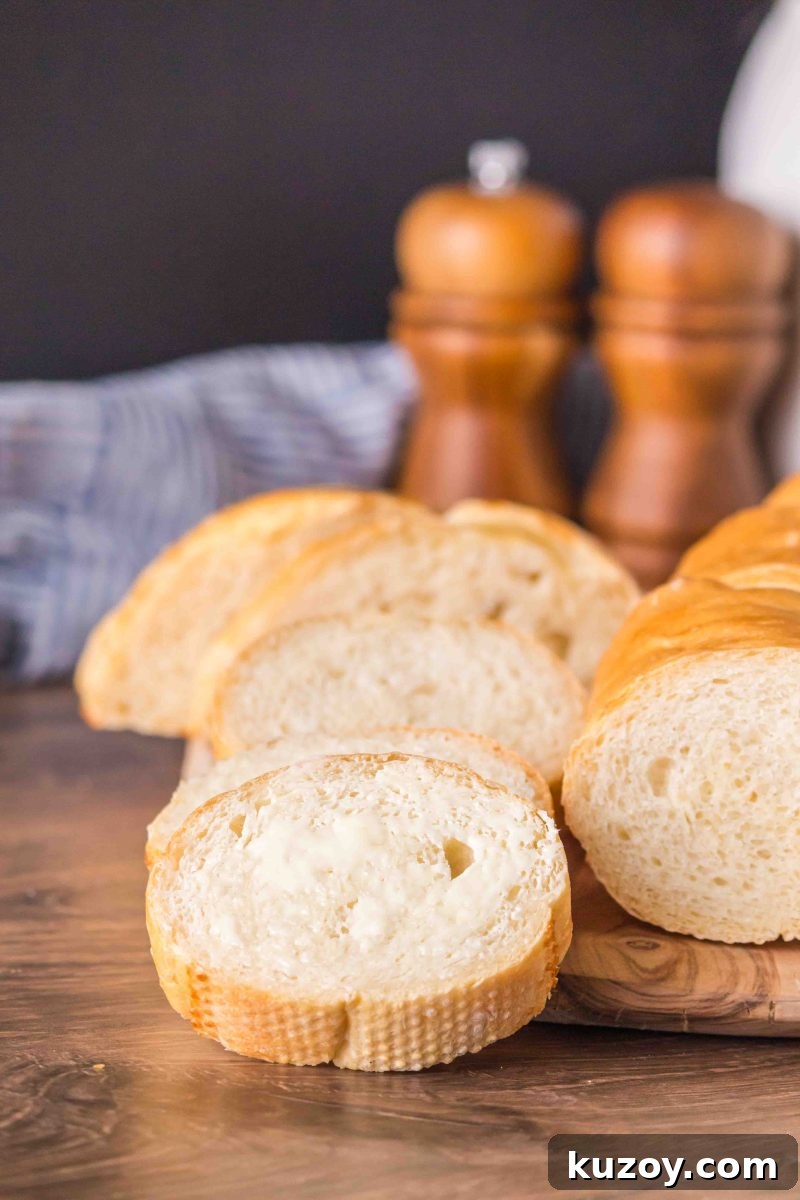
French bread generally refers to long, crusty loaves; the thinner variety is known as a baguette. A narrower loaf tends to have a crunchier crust while the interior remains tender. This recipe makes two loaves, giving you enough to serve now and freeze one for later if desired.
Why You’ll Love This Easy French Bread Recipe
- Simple ingredients — flour, water, yeast, olive oil, salt, and a touch of sugar
- No bread machine needed — mix and knead by hand or with a mixer
- Makes two loaves — great for sharing or freezing
- Beginner-friendly — clear step-by-step instructions
- Far better than store-bought — fresh, flavorful, and satisfying
Ingredient Notes
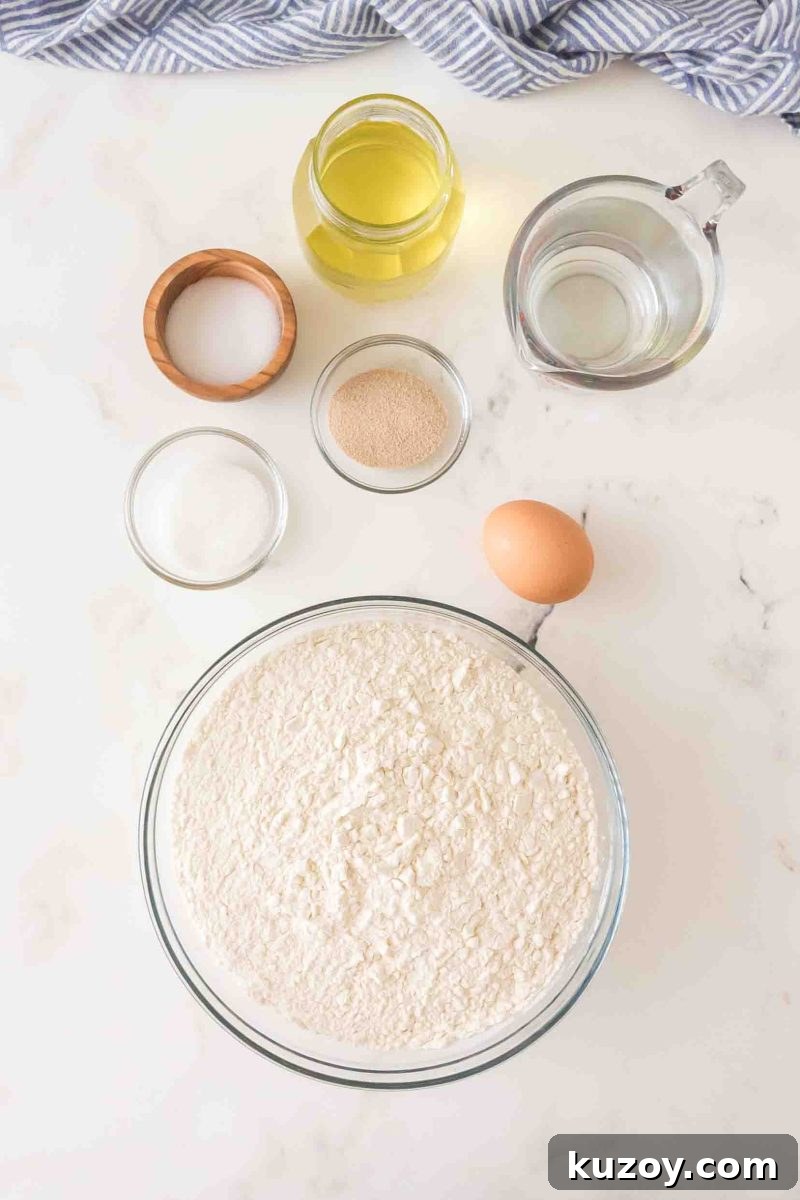
Below are the important ingredients and why they matter. Exact measurements appear in the recipe section further down.
Warm water — Use water between 95°F and 105°F to activate the yeast. It should feel like a warm bath; too hot will kill the yeast, too cool won’t activate it well.
Active dry yeast — Proof the yeast in warm water with a little sugar for about 5 minutes. If it becomes foamy, it’s active. If not, replace it.
Granulated sugar — A small amount feeds the yeast and helps with rise; don’t omit it.
Olive oil — Adds richness and keeps the crumb tender. Use an oil with a flavor you enjoy.
Unbleached all-purpose flour — Provides structure for the dough; bleached flour can be used if that’s what you have, though you may need slight adjustments in quantity.
Salt — Enhances flavor throughout the loaf.
Egg (for egg wash) — One beaten egg with a little water yields a shiny, golden crust when brushed on before baking.
Pro Tips for Perfect Homemade French Bread
These practical tips will help you get consistent results:
Monitor water temperature. Aim for 95°F–105°F. If you don’t have a thermometer, warm but not hot is the right feel.
Keep the dough slightly sticky. The dough should be soft and a little tacky. Avoid adding too much flour, which can make the loaf dense and dry.
Rise in a warm, draft-free spot. A slightly warmed (then turned off) oven creates a cozy environment for rising.
Rotate pans while baking. Turn pans halfway through baking so both loaves brown evenly.
Choose your baking surface by shape preference. A French bread pan helps maintain a rounded baguette shape; a regular baking sheet produces a slightly flatter bottom but the same great flavor.
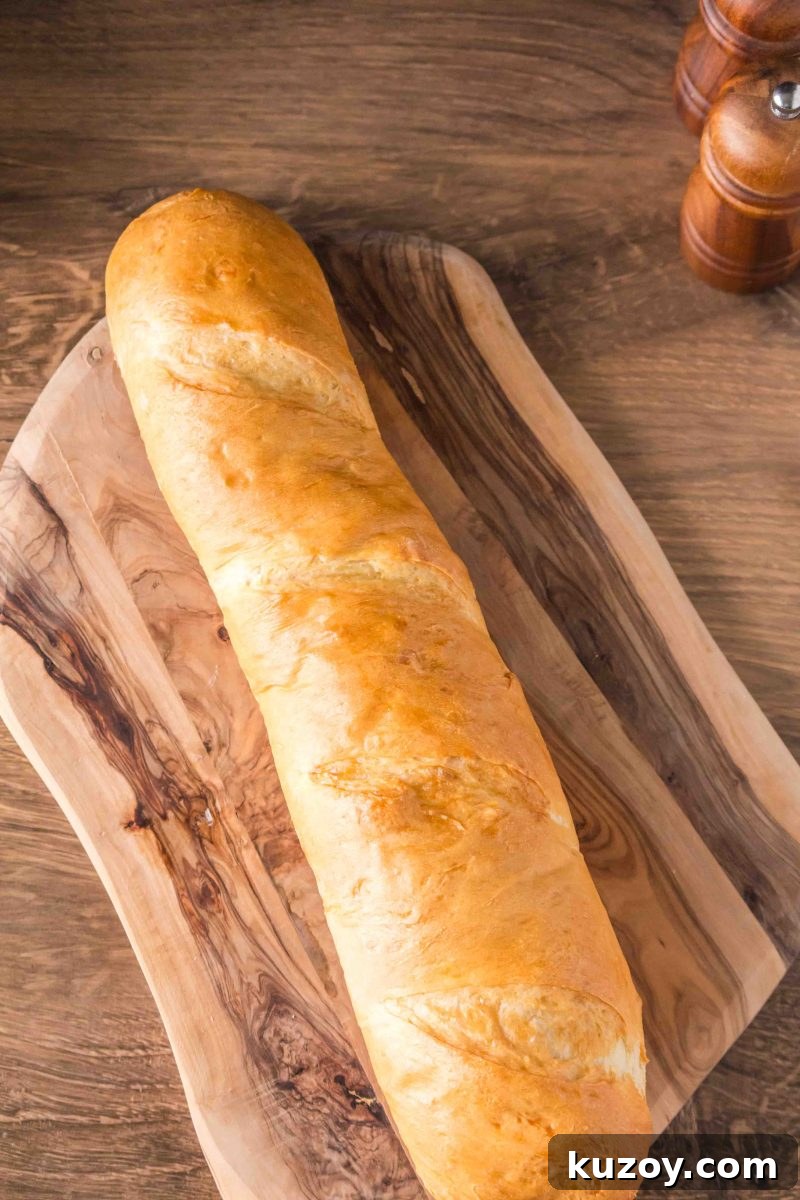
Score the loaves before baking. Make a few diagonal slashes across each loaf so they can expand evenly and develop classic bakery styling.
Check doneness by temperature. Internal temperature should reach about 190°F–195°F for a fully baked loaf.
How to Make French Bread Step by Step
The exact recipe measurements are included in the recipe card below.
Step 1: Proof the Yeast
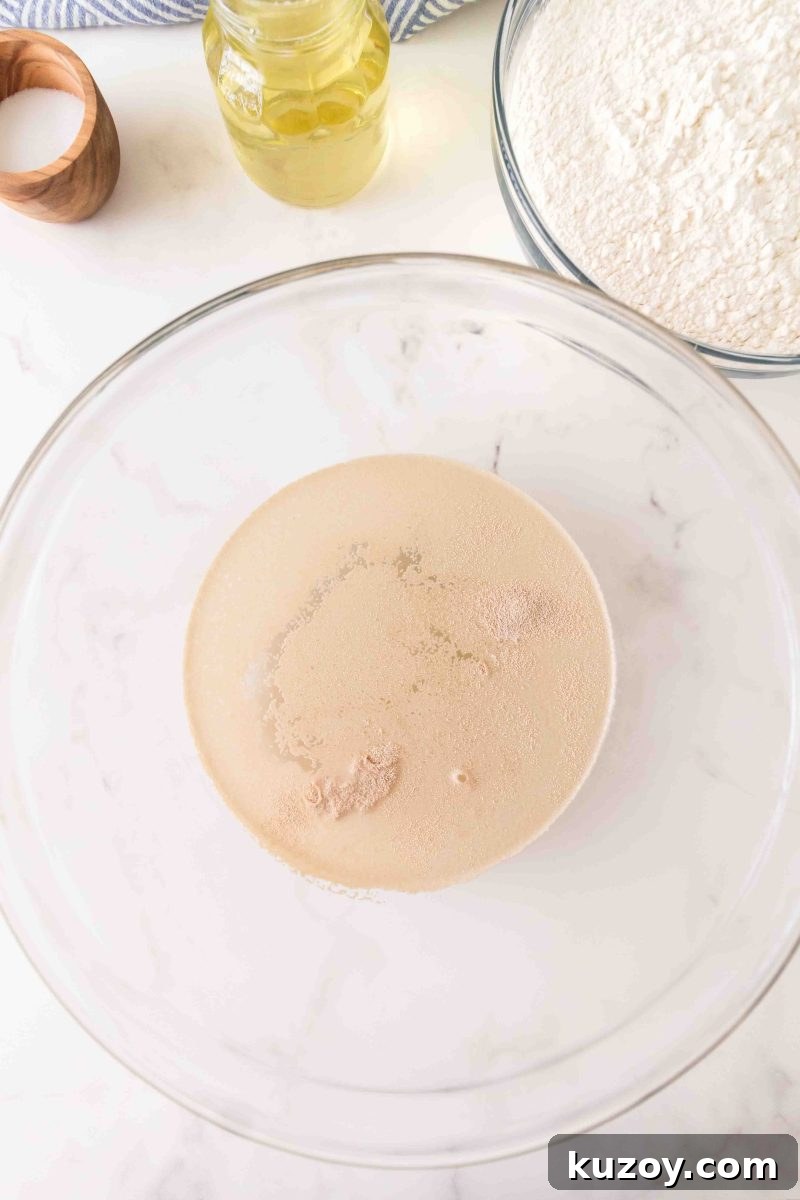
In a large bowl combine the warm water, yeast, and sugar. Stir briefly and let rest about 5 minutes until foamy and bubbly.
Step 2: Mix the Dough
 Ingredients combined
-
Shaggy dough
-
Kneaded smooth
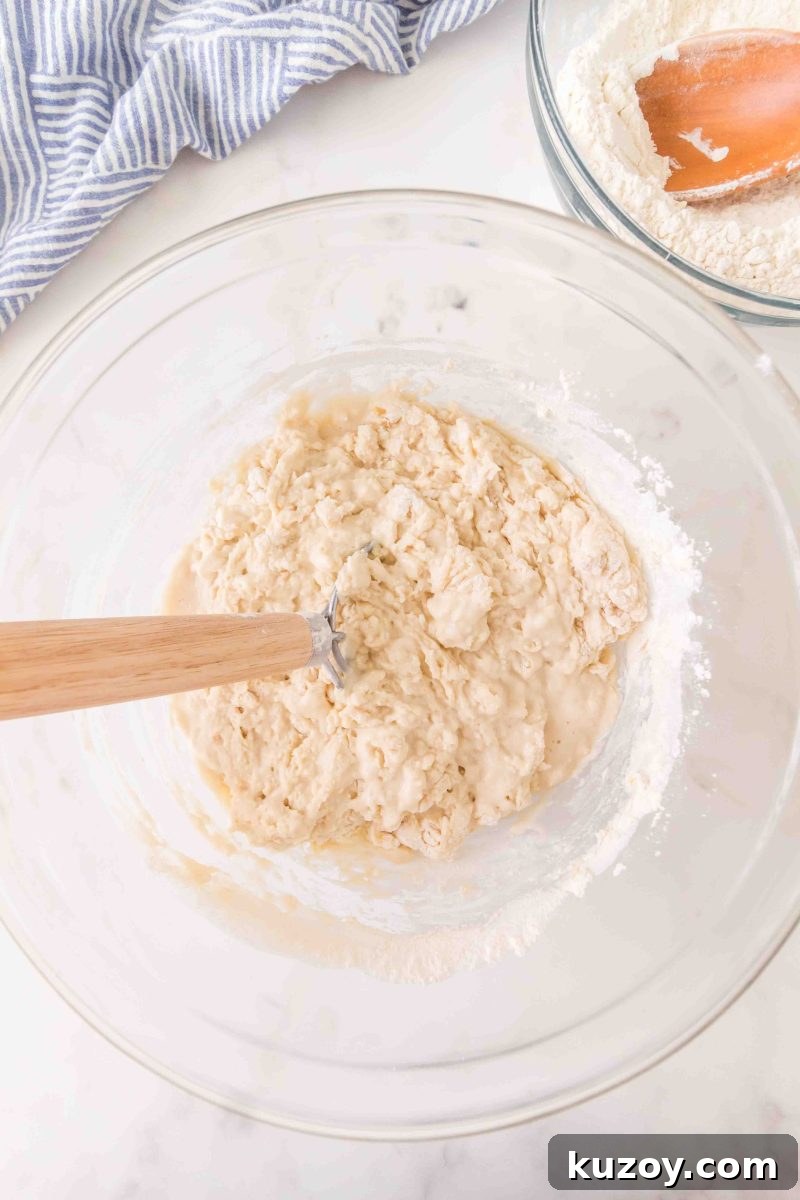
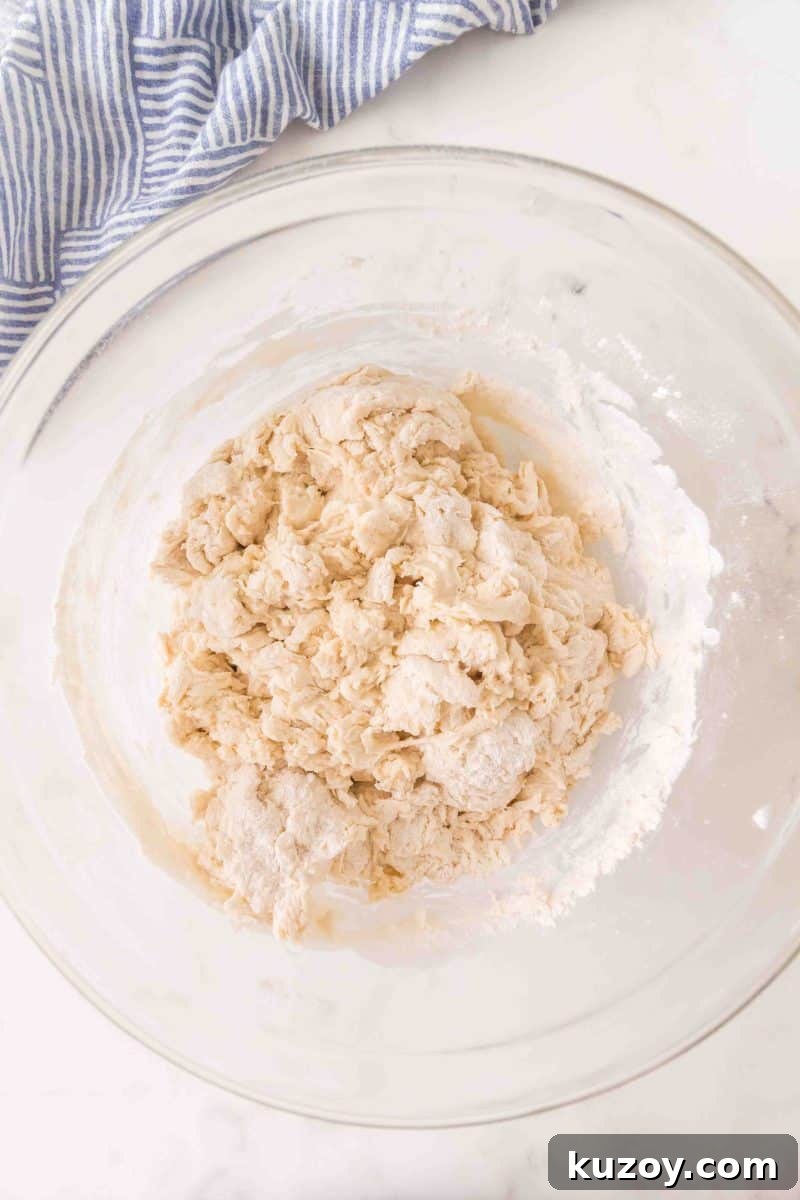
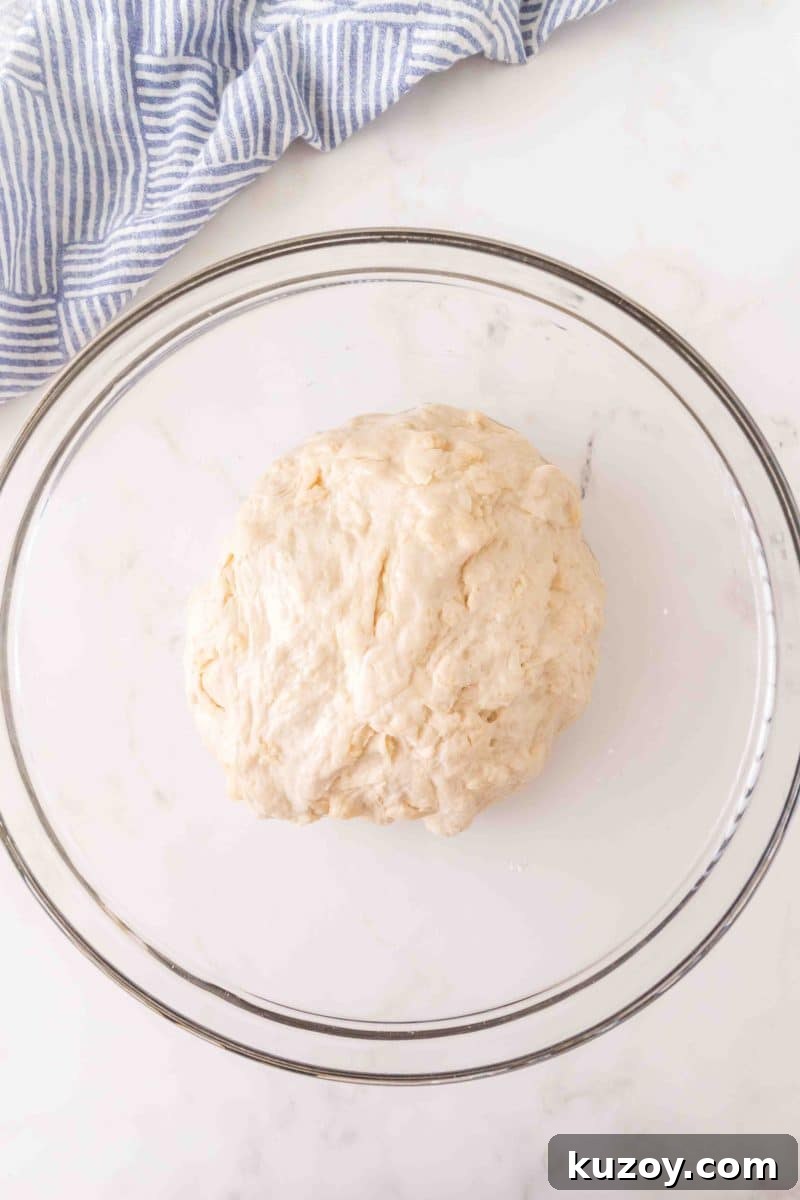
Add olive oil, flour, and salt to the yeast mixture. Stir until combined; when it becomes hard to stir, turn the dough out and knead by hand for 5–10 minutes until smooth and elastic. Alternatively, use a stand mixer with a dough hook on medium speed for 4–5 minutes.
Step 3: First Rise (1 Hour)
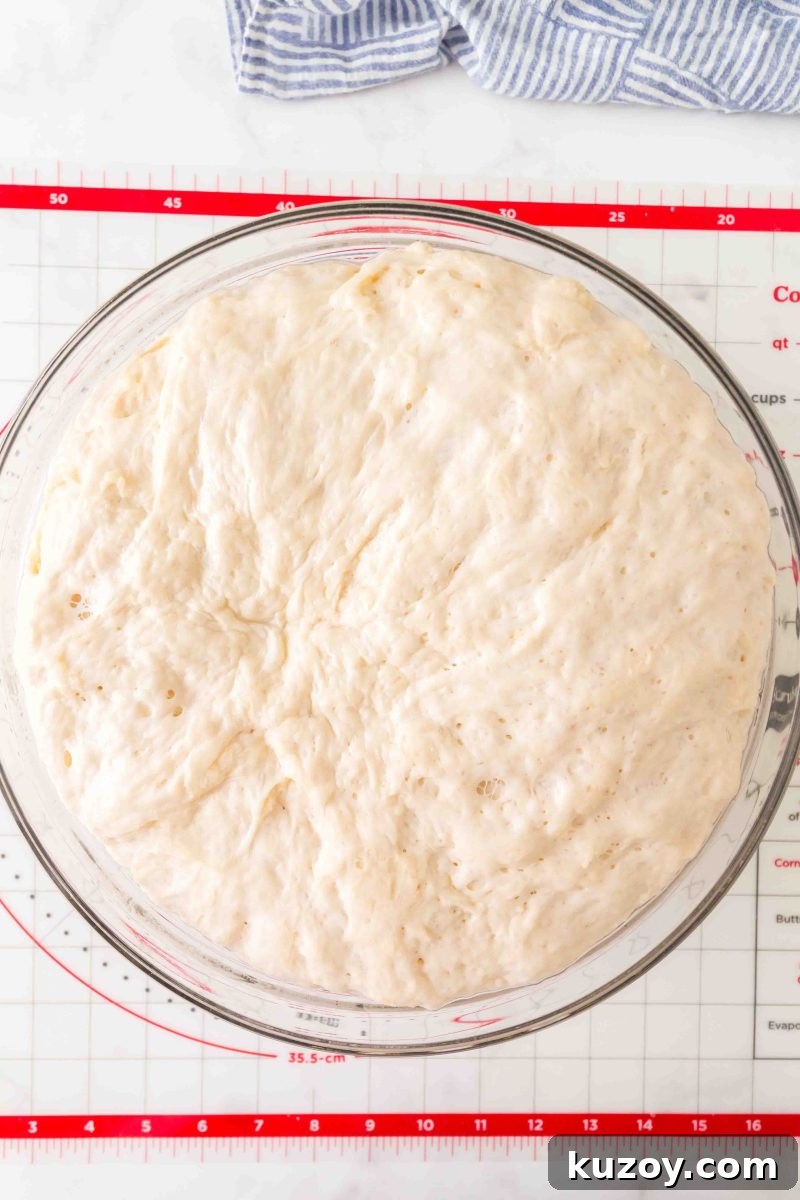
Lightly oil a bowl, place the dough inside, and cover with oiled plastic wrap or a clean towel. Let rise in a warm, draft-free spot until doubled, about 1 hour.
Step 4: Shape the Loaves
-
Split dough in half
-
Press into a rectangle
-
Roll to shape into baguettes
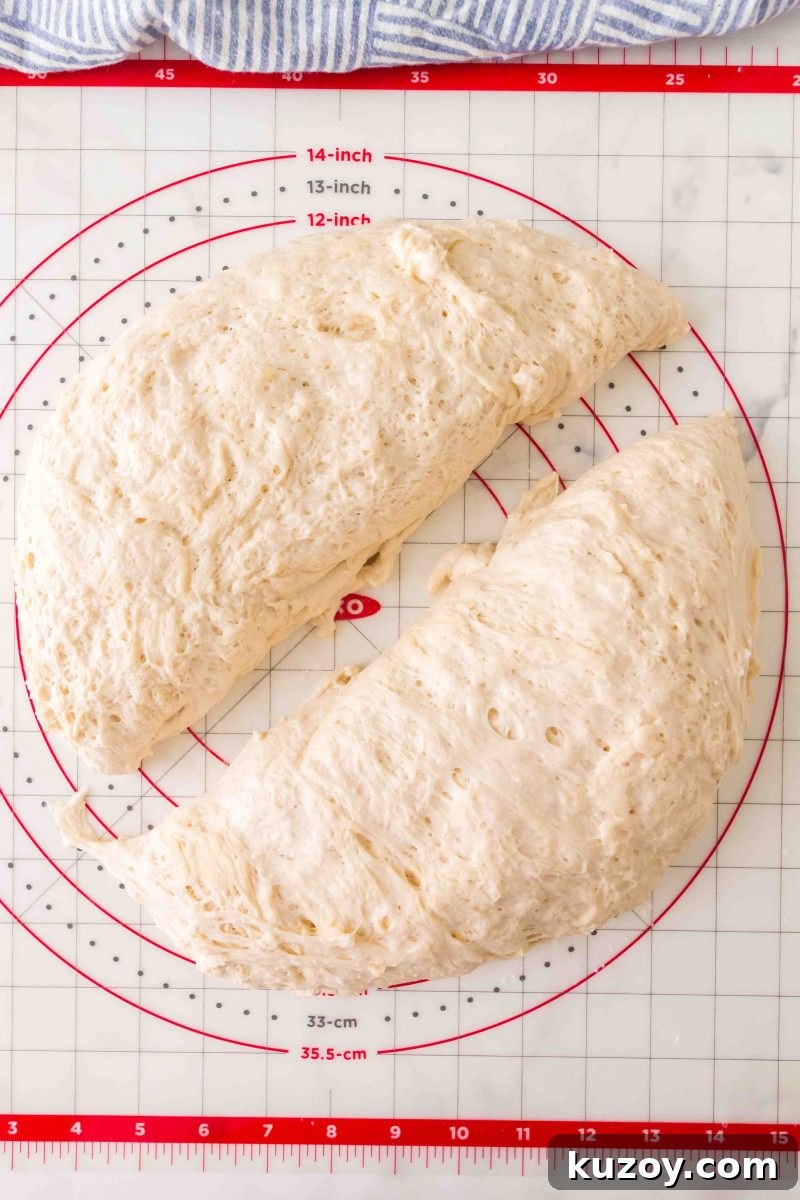
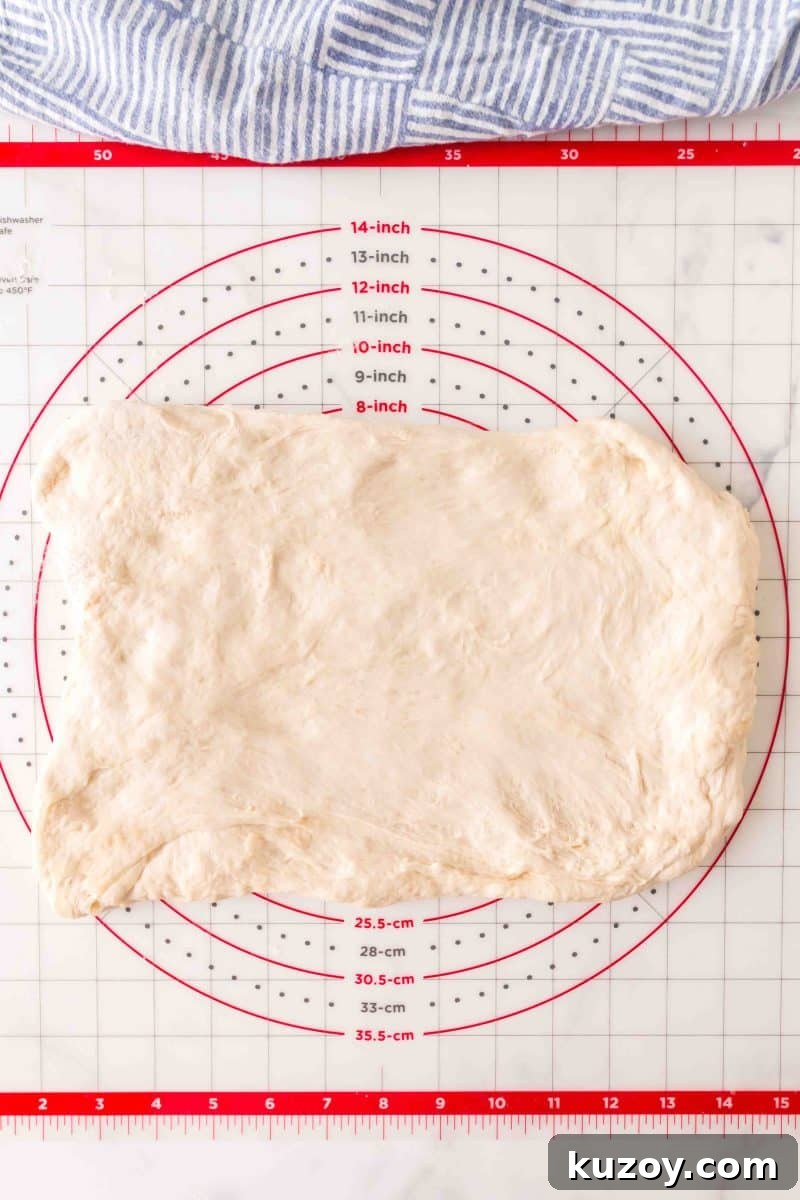
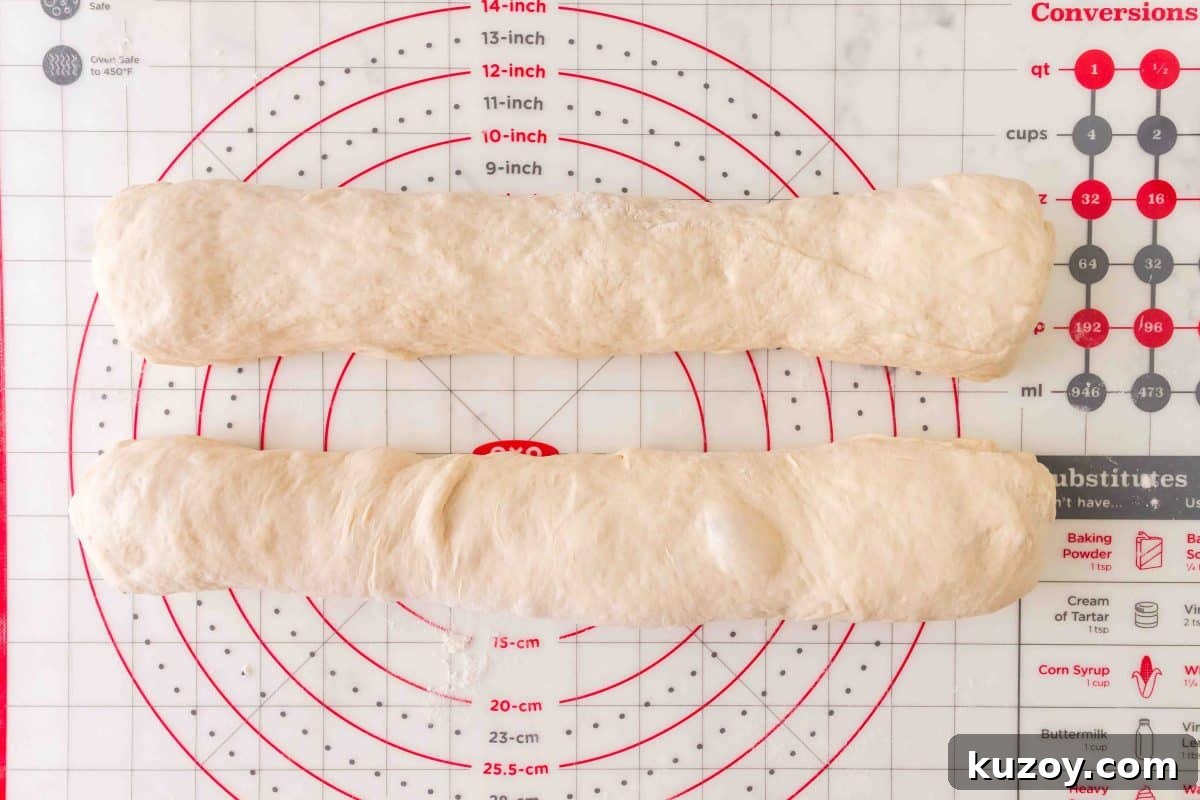
Punch down the dough and divide it into two equal pieces. Flatten each piece into a rectangle roughly 12 x 8 inches, then roll tightly along the long edge into a log. Pinch the ends closed and tuck them underneath. Place seam-side down on a greased baking sheet or in a French bread pan.
Step 5: Second Rise (45 Minutes)
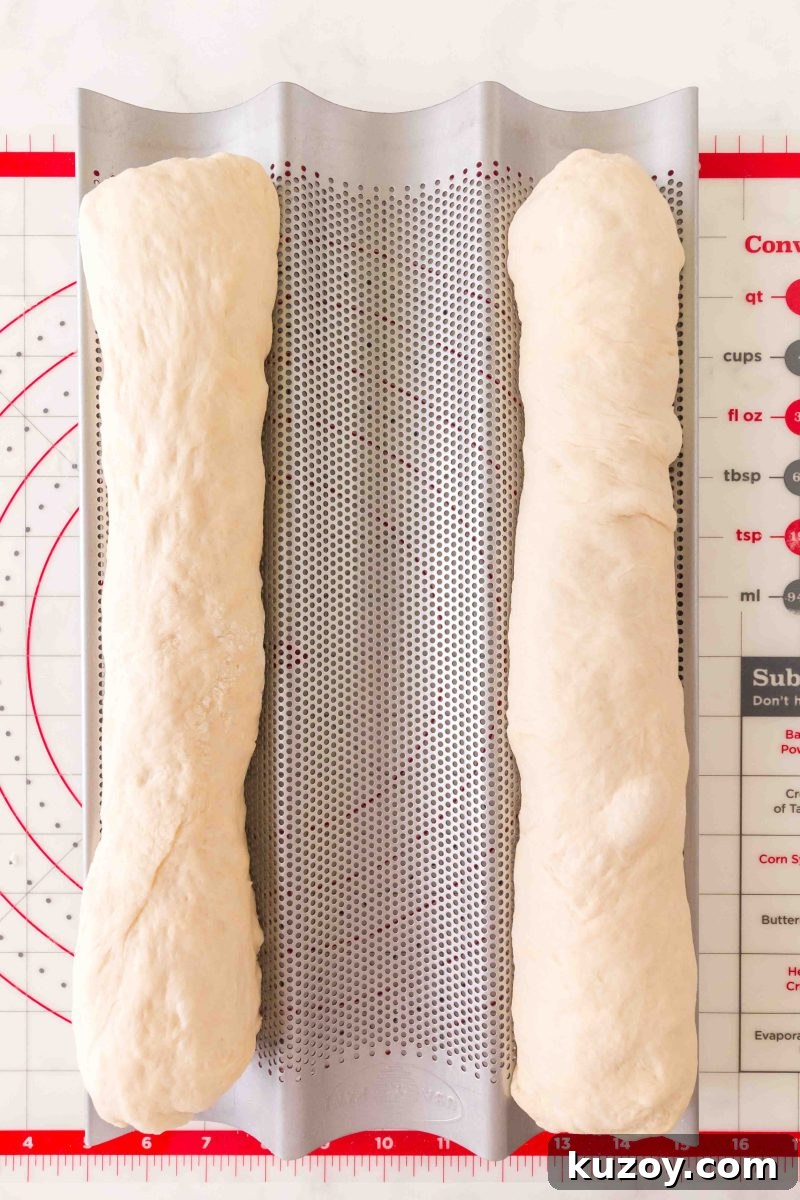
Cover the shaped loaves and let them rise for about 45 minutes. Meanwhile preheat your oven to 350°F and beat an egg with a teaspoon of water for the egg wash.
Step 6: Score and Brush
About 15 minutes before the second rise ends, score each loaf with 4 diagonal slashes. Gently brush the egg wash over the tops to promote a glossy, golden crust.
Step 7: Bake to Golden Perfection
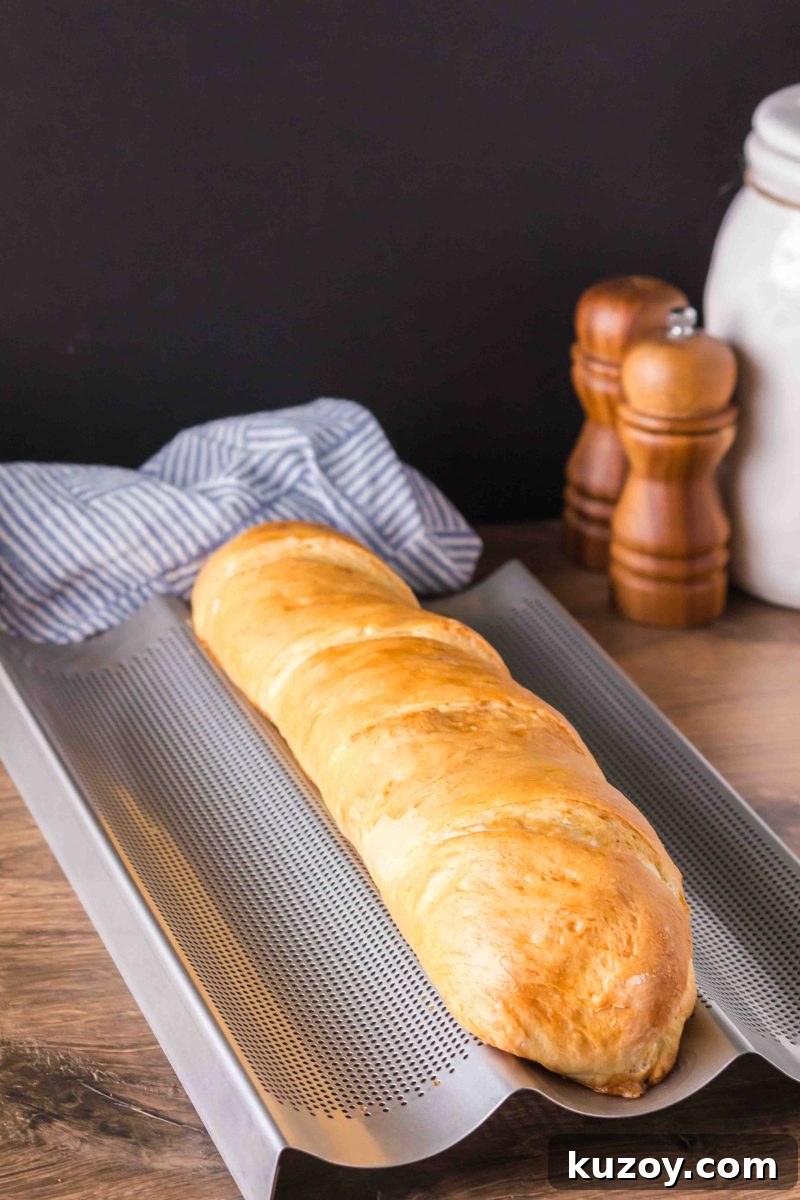
Bake for 30–35 minutes, rotating the pan halfway through, until the loaves are deep golden brown and an internal thermometer reads about 190°F–195°F. Let the bread cool 20–30 minutes before slicing to preserve the crumb structure.
How to Serve Homemade French Bread
This bread is extremely versatile. Some favorite serving ideas:
- Garlic bread: Slice lengthwise, spread with butter and garlic, add cheese, and broil until bubbly.
- With pasta: Great for sopping up sauces from pasta dishes.
- With soup or chili: Tear into chunks and dunk into warm soups or stews.
- For sandwiches: Slice a baguette lengthwise for hearty sandwiches and subs.
- On a charcuterie board: Slice thin and serve with cheeses, cured meats, and olives.
- With dips: Offer olive oil and balsamic or a herb pesto for dipping.
Storage and Reheating
Room temperature: Once fully cooled, store in a zip-top bag or wrapped in plastic at room temperature for 3–4 days.
Refrigerator: Keeps 5–6 days. Bring to room temperature or warm before serving.
Freezing baked bread: Cool completely, wrap tightly in plastic then foil, and freeze up to 3 months. Thaw at room temperature.
Freezing unbaked loaves: Shape loaves and freeze before the second rise. When ready to bake, thaw on a greased pan, allow to rise, score, brush with egg wash, and bake.
Reheating: Warm a whole loaf wrapped in foil at 250°F for about 10 minutes. Toast individual slices as needed.
Variations to Try
Herb French Bread: Add 1–2 teaspoons dried rosemary, thyme, or Italian seasoning to the dough for a savory aroma.
Cheesy baguette: Fold 1 cup shredded cheddar or Parmesan into the dough for melty pockets of cheese.
Garlic herb pull-apart loaf: After baking, slice the loaf almost through at 1-inch intervals, stuff with garlic-herb butter, wrap in foil, and warm until the butter melts.
Whole wheat version: Replace 1½ to 2 cups of all-purpose flour with whole wheat flour for a heartier loaf; expect a slightly denser texture.
Seeded baguette: Brush with egg wash and sprinkle sesame, poppy, or everything seasoning before baking for extra crunch.
Frequently Asked Questions
Can I use a stand mixer? Yes. Proof the yeast, then add ingredients and knead with the dough hook on medium speed for 4–5 minutes instead of kneading by hand.
How do I shape French bread? Flatten into a rectangle, roll tightly along the long edge into a log, seal the seam, and bake seam-side down.
Is a wet dough normal? Yes — this dough should be slightly sticky. Add flour sparingly during handling until it’s manageable.
Can I use instant yeast? Yes. Instant yeast can be substituted 1:1 and can be mixed directly into dry ingredients; proofing is not required, and rise times may be shorter.
Why might my bread be dense? Common causes include inactive yeast, water that was too hot, or too much flour added. Ensure the yeast proofed well and avoid over-flouring.
Recipes You’ll Love to Serve With This Bread
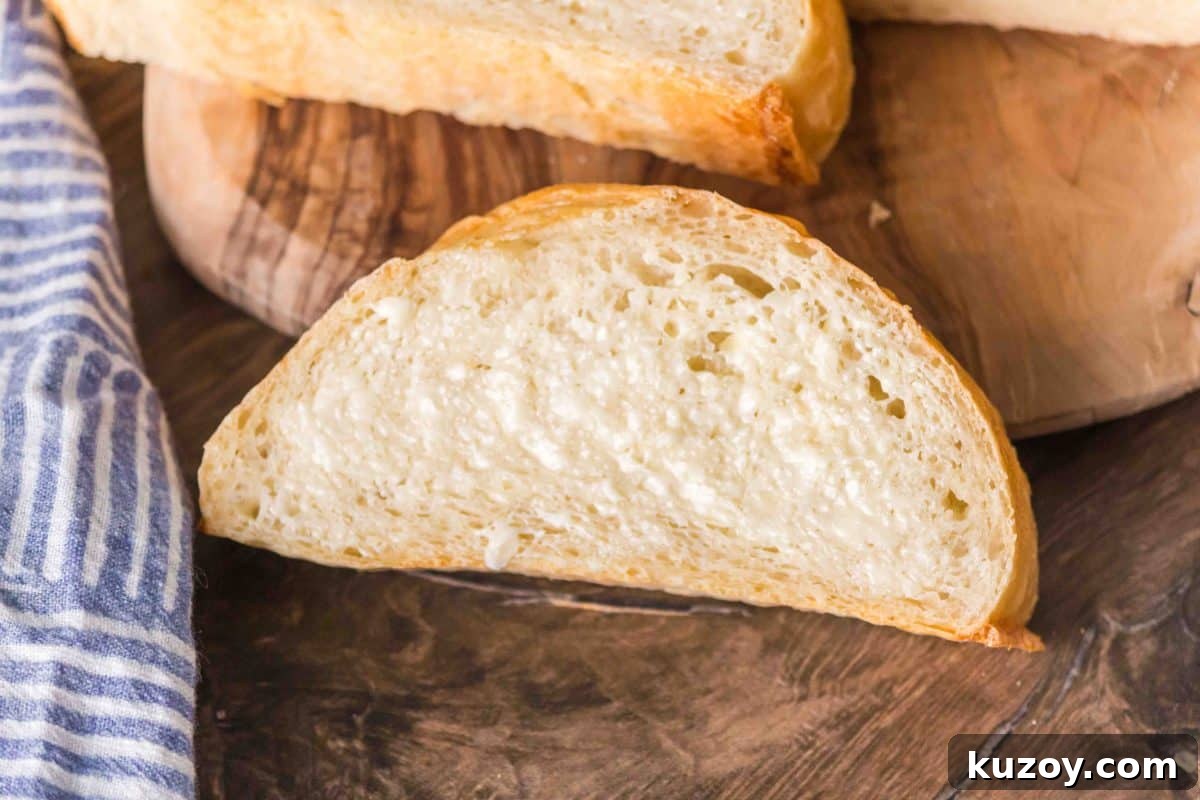
This bread pairs beautifully with many dishes. Try it with hearty pasta, a warming bowl of chili, or as the base for a rustic sandwich. It also complements fresh salads and charcuterie boards.
Got Leftovers?
When your bread is past peak freshness, don’t toss it — transform it:
- Make French toast or bread puddings.
- Create a savory bread casserole.
- Turn stale bread into homemade croutons for salads or soups.
- Use cubes for bruschetta-style pasta salads or stuffing.
Ready to Bake Your Best Bread Yet?
There’s something magic about pulling fresh, golden baguettes from your oven. This easy recipe proves you don’t need professional tools to bake beautiful bread. Try it, tweak it to your taste, and enjoy the reward of homemade loaves.
If you make this recipe, share your results and star rating in the comments if a comment section is available. Happy baking!
Easy Homemade French Bread Recipe (2 Baguettes)
Equipment
- Baking sheet (half sheet pan)
- French bread baking pan (optional)
- Mixing bowls
- Pastry brush
Ingredients
- 2 cups warm water (95–105°F)
- 1 tbsp active dry yeast
- 1 tbsp granulated sugar
- 2 tbsp olive oil
- 4 ½ cups unbleached all-purpose flour (add more as needed)
- 1 ½ tsp salt
Egg Wash
- 1 egg
- 1 tsp water
Instructions
- In a large bowl combine warm water, yeast, and sugar. Let sit 5 minutes until foamy.
- Add olive oil, flour, and salt.
- Mix with a wooden spoon or dough whisk until combined. Knead by hand 5–10 minutes until smooth, or use a stand mixer with a dough hook for 4–5 minutes.
- Place dough in an oiled bowl, cover, and let rise in a warm, draft-free place about 1 hour or until doubled.
- Turn dough onto a lightly floured surface and divide into two equal pieces.
- Flatten each piece into a rectangle about 12 x 8 inches, then roll along the long edge into a tight log.
- Place rolled loaves seam-side down on a greased baking sheet or in a French bread pan.
- Cover and let rise 45 minutes in a warm, draft-free place.
- Preheat oven to 350°F while the loaves rise. Beat the egg with 1 tsp water for the egg wash.
- About 15 minutes before the end of the second rise, score 4 diagonal slashes across each loaf and brush with egg wash.
- Bake 30–35 minutes, rotating pans halfway, until golden and internal temperature reaches about 190°F.
- Let cool 20–30 minutes before slicing.
Notes
- Using a French bread pan gives a rounder baguette; a baking sheet produces a slightly flatter bottom but the same flavor and crumb.
- Store fully cooled loaves in a zip-top bag at room temperature for 3–4 days or refrigerate for 5–6 days.
- Slice and toast slightly with garlic and cheese for a quick side.
Nutritional Disclaimer
Nutritional values depend on brands and exact measurements used. Use the values here as a general guide only.
More Homemade Bread Recipes to Try
If you enjoy baking bread, consider trying other loaves such as classic Italian bread, cheese-studded bread, brioche, almost no-knead loaves, sourdough focaccia, ciabatta, or easy flatbread. Each offers unique textures and flavors to expand your baking repertoire.
Did you enjoy this recipe? Save it for later and share your results with friends and family.

Originally published: October 17, 2024. Updated: June 15, 2026 — enhanced with clearer instructions, extra tips, and serving ideas. No changes were made to the core recipe.