TheGrillingDad Answer: Spare ribs are larger, meatier, and contain more bone and fat than baby back ribs, which many people believe gives them a fuller, richer flavor. Baby back ribs are smaller, more curved, and generally leaner and more tender.
Jump to Section
Baby Back Ribs
Baby back ribs—also called back ribs or loin ribs—come from the upper part of the rib cage, attached to the backbone just below the loin muscle. They sit above the spare ribs and are shorter, which is how they earned the “baby” name. A typical slab weighs about two pounds and contains 11–13 bones. The slab narrows and curves where it meets the spine, creating the distinctive shape people recognize.
These ribs are leaner and more tender than spare ribs, with less fat and a milder flavor. Because they weigh less and have less connective tissue, baby back ribs cook more quickly and are often the preferred choice for grilling. Their tender texture and smaller size make them well suited to smaller gatherings and quick barbecues, though they generally command a higher price than spare ribs.
Spare Ribs
Spare ribs—also called side ribs—are cut from the lower portion of the rib cage, below the baby backs, and include parts of the chest. The slab often contains rib tips, cartilage, and small bones along the edge. Spare ribs are larger and flatter than baby backs and typically weigh around three pounds per slab.
These ribs contain more intramuscular fat and connective tissue, which contributes to a richer, more pronounced pork flavor when cooked slowly. The added fat and collagen render during long, low-temperature cooking methods, such as smoking, resulting in succulent, flavorful meat. Because spare ribs are generally less expensive than baby backs, they’re a popular choice for feeding larger groups and are ideal for smoking.
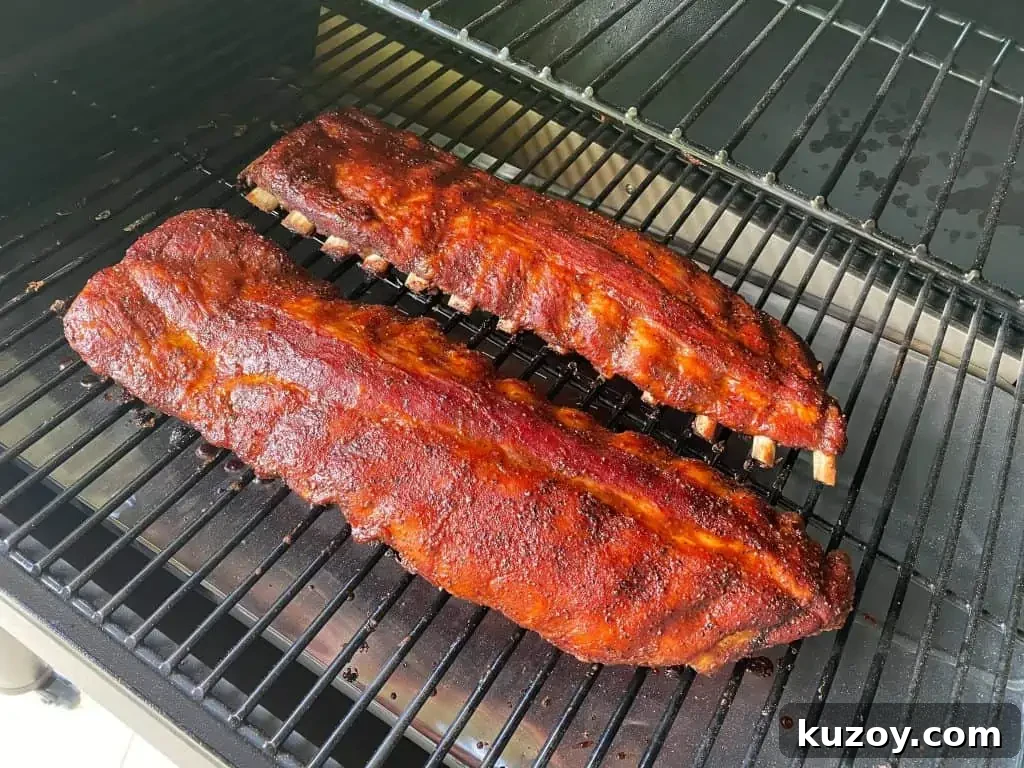
Which Pork Ribs Are Better?
“Better” depends on what you want from your ribs. If tenderness and a quick cook time are top priorities, baby back ribs usually win. Their leaner profile and tender texture make them very approachable and forgiving, especially on a grill. They also accept rubs and sauces well, giving an impressive presentation at the table.
If flavor intensity and value are your goals, spare ribs are a compelling choice. The extra fat and connective tissue melt into the meat during slow cooking, creating deeper flavor and juicier bites. Because they’re larger and contain more bone, spare ribs require more time and a gentler heat, but the payoff can be excellent, especially when smoking.
Many pitmasters prefer to smoke spare ribs for that robust, fatty flavor and to grill baby back ribs when a faster cook and tender bite are desired.
Read More >> 321 Ribs – How To Smoke Ribs The Easy Way
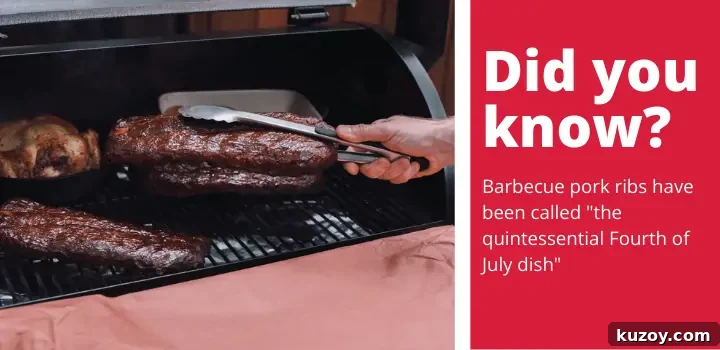
Do Baby Back Ribs and Spare Ribs Taste Differently?
Yes—though the difference is shaped by cooking method and seasoning. Straight off the bone, both cuts are delicious, but spare ribs tend to deliver a richer, more pork-forward flavor due to higher fat content and connective tissue. When smoked or cooked low and slow, that fat renders and bastes the meat from within, producing deep, savory flavors.
Baby back ribs offer a cleaner, milder pork flavor and absorb rubs and sauces exceptionally well. Their tenderness and lean profile allow spices to shine without being masked by fat. For a show-stopping barbecue plate with tender, flavorful bites, many choose baby backs; for a hearty, flavor-dense experience and better value per pound, spare ribs are hard to beat.
Related >> The Best Woods For Smoking Ribs
Related >> How Long Does Bacon Last in the Fridge?
Can You Tell The Difference By Looking At Ribs?
Yes. Visual cues are usually obvious once you know what to look for. Baby back ribs often have a small strip of loin meat along the top edge and a pronounced curve where they meet the spine. They are shorter, compact, and generally more uniform.
Spare ribs are flatter and longer, with more visible meat between the bones and sometimes a rougher edge where the rib tips and cartilage were removed. The extra marbling and thicker meat can make spare ribs appear more substantial and less uniform than baby backs.
Read More >> The Best Smokers For Beginners
Do You Need To Be Able To Tell The Difference?
For most people, knowing the difference is not essential—a rib is a rib and it will be enjoyed regardless. That said, for cooks and barbecue enthusiasts, choosing the right cut matters. Picking baby back ribs when you want a quick, tender grill or spare ribs when you plan a long smoke can change both cook time and the final result.
Recognizing the two cuts is useful for menu planning, budgeting, and matching cooking technique to the meat. It’s practical knowledge that helps you get the best flavor and texture for the method you choose, and it can be a helpful talking point at any barbecue.
Read Also >> How Long Do Ribs Last in the Fridge?