
Rosemary is a fragrant, woody herb that adds bold flavor to savory dishes. Native to the Mediterranean, it can form large, bushy plants and is even used as hedging in mild climates. In colder regions like the Canadian prairies (Hardiness Zone 3), where winters arrive early and severe, rosemary is commonly grown in small pots and treated as an annual.
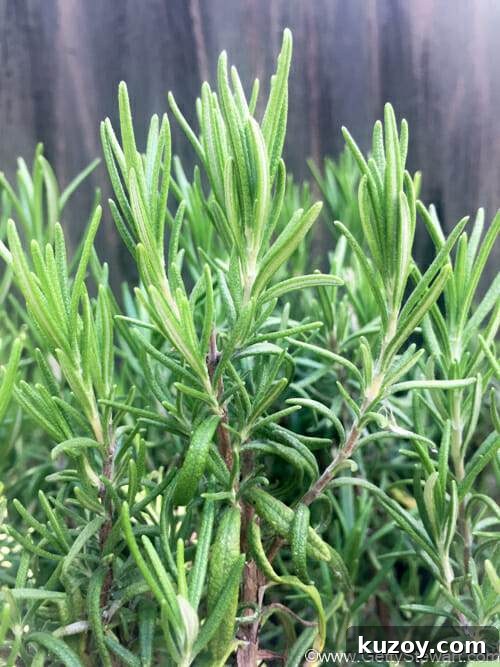
Because potted rosemary stays smaller here, regular trimming helps it develop a fuller shape and encourages fresh growth. Pruning not only improves form but also provides more harvestable sprigs to enjoy all year.
Below you’ll find clear, practical instructions for cutting and drying rosemary, plus ideas for using it in the kitchen.
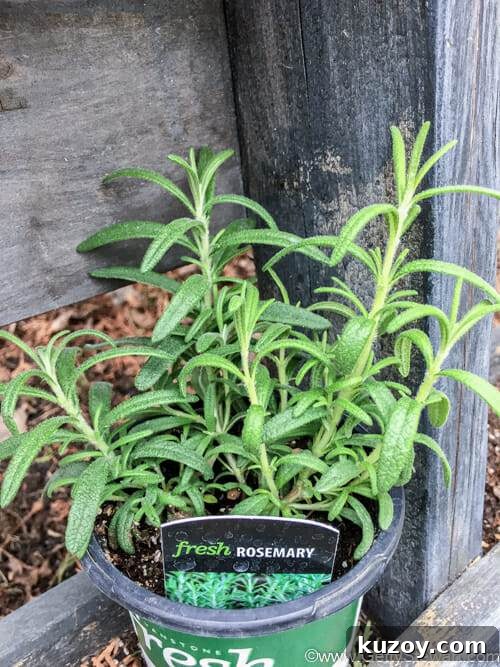
How to Cut Rosemary
Work one stem at a time and move around the plant, especially when dealing with a small potted rosemary. Take care to distinguish green, flexible new growth from the older, woody stems. New shoots will arise only from green stems, so avoid cutting into woody wood if you want continued regrowth.
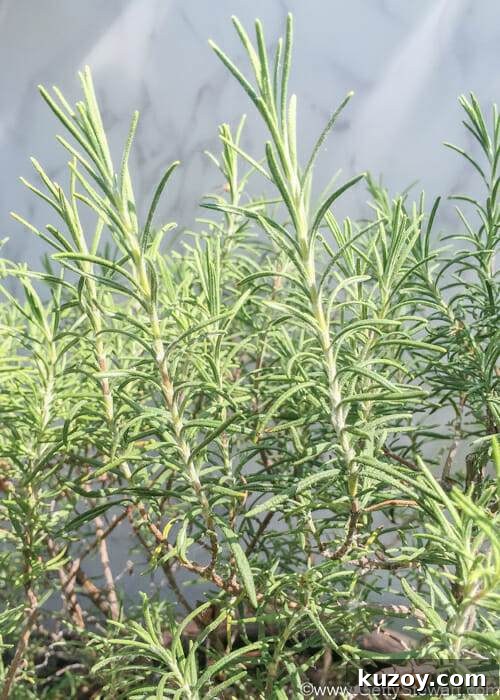
Use clean scissors or pruning shears for neat cuts. Trim the green stem just above a point where two leaves or leaf pairs are emerging; this encourages two new shoots to develop and creates a bushier plant rather than a tall, spindly one. Repeat this selective trimming several times through the growing season to maintain shape and increase harvest.
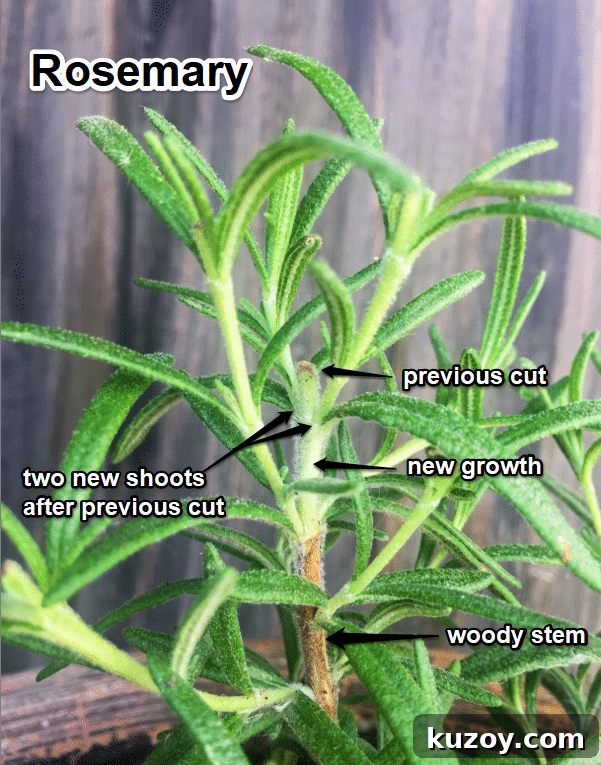
Each time you prune you can use the fresh sprigs immediately or prepare them for drying to preserve flavor for later use.
How to Dry Rosemary
After harvesting, rinse rosemary to remove dirt and gently pat dry to eliminate surface moisture. Here are several effective drying methods depending on how much you have and the equipment available.
Paper Bag Method
For a few sprigs, place them loosely in a paper bag and store the bag in a warm, dry, well‑ventilated space for two to three weeks. This low‑tech method is simple and effective.
Hanging Method
Bundle three or four sprigs together with kitchen twine, label if you like, and hang them upside down in a ventilated room. Allow two to three weeks for the leaves to dry completely.
Dehydrator Method
Arrange sprigs in a single layer on dehydrator trays with space between each sprig. Use a low temperature—around 95°F (35°C)—and expect about 8 to 10 hours depending on humidity. Removing leaves from stems speeds the process but is optional.
Oven Method
Set your oven to the lowest setting and place sprigs on a parchment‑lined baking sheet. Monitor closely and remove when the leaves feel brittle. The goal is gentle moisture removal, not baking, so times will vary by oven.
Microwave Method
Strip leaves from stems and place them in a single layer between two paper towels. Microwave on medium‑high for 30 seconds, let cool 30 seconds, then check and repeat in 30‑second bursts until leaves are dry and brittle.
How to Store Rosemary
Once rosemary is fully dry and completely cooled, store it as intact as possible. Keeping the leaves whole preserves aroma and flavor far better than crushing or pulverizing before storage. Only crumble or chop the herb when you are ready to use it in a recipe.
Store dried rosemary in a tightly sealed glass jar in a cool, dark, dry place. For everyday use, keep a small spice jar in the kitchen and refill it from a larger jar kept in a cooler storage area like a basement or pantry.
Properly stored, dried rosemary retains good flavor and color for six months to a year. It remains safe to use beyond that, but potency and visual quality will decline over time.
How to Use Rosemary
Rosemary’s aromatic, slightly pine‑like flavor works well with roasted root vegetables, hearty stews, grilled or roasted meats, poultry and game. It’s also excellent in baked breads—try adding sprigs or chopped rosemary to focaccia, savory quick breads, or garlic bread. Use whole sprigs in roasts or infusions, or add chopped fresh or rehydrated dried rosemary toward the end of cooking for maximum flavor.

Share your favorite rosemary uses and recipes—fresh or dried—and enjoy experimenting with this versatile herb in the kitchen.

Be confident growing and using herbs.
Discover practical tips and recipes to take herbs from garden to table. This guide gathers straightforward growing advice, step‑by‑step harvesting and preserving instructions, plus recipes for teas, appetizers, mains and desserts.
65 recipes & preserves + practical tips…
- how to grow herbs
- step-by-step harvesting and preserving instructions
- tantalizing tea and beverage recipes
- mouthwatering appetizers, salads, mains, and desserts
- answers to common herb questions
Available in ebook and paperback formats.
Cook with the seasons, effortlessly! Getty Stewart, a food educator and Professional Home Economist, shares tips to help you select, store, and serve seasonal ingredients in simple, delicious meals. Explore seasonal tips, recipes, and resources to grow your confidence using fresh herbs.