
I know—another post about why we need more sleep. But sleep is a recurring topic for a good reason. High-quality sleep is essential to our health and well-being: it boosts energy, strengthens immunity, sharpens focus, and improves mood.
 Most adults need about 7–9 hours of sleep per night for optimal health. Individual needs vary—some people function well on five hours, while others feel unwell with less than six. Try experimenting with your sleep patterns to discover what amount works best for you.
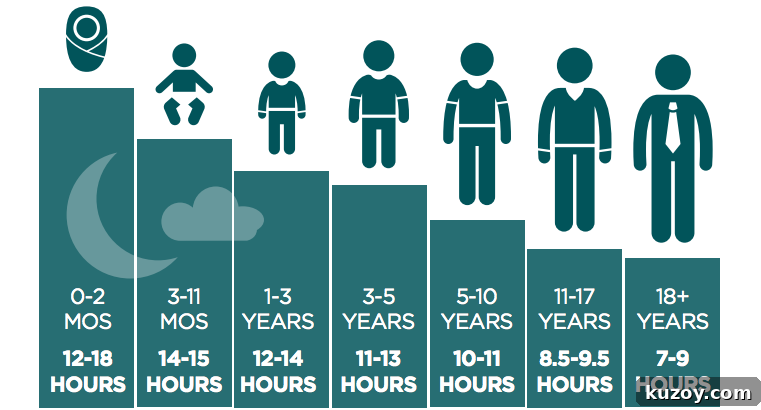
Beyond simply feeling tired, chronic sleep loss causes many harmful effects. Here are five major consequences:
1. Weight gain. Sleep deprivation reduces leptin, a hormone that signals fullness. Lower leptin and increased cravings make it harder to control appetite, and a slowed metabolism can further promote weight gain.
2. Higher risk of illness. Insufficient sleep elevates stress and disrupts immune function. This imbalance can increase inflammation and blood sugar levels over time, raising the risk of diabetes, heart disease, stroke, and infection.
3. Increased risk of injury. Mental and physical exhaustion makes errors, accidents, and injuries more likely.
4. Impaired brain function. Problem solving, memory, concentration, and decision-making all suffer after poor sleep, which negatively affects mood and cognitive performance.
5. Emotional instability. Without adequate rest you may experience more anxiety, irritability, anger, and sadness. Emotional regulation becomes harder, and reactions can be amplified or inappropriate to the situation.
Now that the risks are clear, here are practical, easy-to-implement changes to improve sleep quality and consistency.
- Maintain a consistent schedule for bedtime and wake time
- Limit caffeine, especially after noon
- Turn off electronics at least two hours before bed
- Avoid going to bed on a very full stomach
- Also avoid going to bed hungry
- Use your bed only for sleep and sex
- Exercise regularly, earlier in the day if possible
- Limit liquids and especially alcohol before bedtime
- Keep the bedroom dark, quiet, and cool
- Invest in comfortable bedding
- Align sleep and wake times with your internal clock, ideally with natural light

In our always-connected world, letting go of phones, tablets, and laptops at night can be the hardest part. These devices emit blue-spectrum light that disrupts circadian rhythms. If you can’t fully disconnect, consider amber-lensed glasses designed to block blue light. On computers, software that reduces blue light in the evening can also help.
High-quality, restorative sleep is vital for body and mind. Prioritize sleep as part of your health routine, and you’ll likely notice improvements in energy, mood, focus, and overall wellness. Make small changes, be consistent, and sleep well.