Even if your outdoor space is nothing more than a narrow walkway, weeds are likely part of the picture.
Weeds are tough, adaptable, and persistent. Those are admirable qualities in many contexts, but in the garden they can be frustrating. Definitions of “weed” vary—some argue weeds are simply misunderstood plants with useful roles—but for practical purposes here, a weed is any plant you don’t want where it is.
I’ve lived on the same 2½ acres in rural San Diego County for more than 20 years. Early on we decided not to use conventional herbicides on our land. We accepted the extra effort and creative thinking needed to keep our yard tidy because we didn’t want to expose ourselves, our children, our pets, or our soil and air to the possible harms of broad-spectrum chemical weed killers.
My approach to home and yard care is big-picture: I prefer solutions that consider long-term health rather than quick fixes. Advertising promises that one spray will instantly erase dirt, odors, or weeds, and sometimes that works—briefly. But repeated use of harsh chemicals can contribute to chronic health problems or environmental damage over time. The good news is you don’t have to choose between a clean, attractive space and a healthy one. You can maintain beautiful yards and gardens without resorting to toxic products—though it often means ignoring heavy marketing and investing a little more effort.
Table of contents:
- Why ditch chemical weed killers?
- Non-toxic weed control methods that actually work
- Stopping weeds before they start: prevention
- The most targeted control: physical removal
- Other natural weed control methods
- Unexpected natural approaches
- Natural weed killer FAQs
Why ditch chemical weed killers? The case against glyphosate & 2,4-D
Conventional herbicides are ubiquitous because they work quickly and save time. That convenience is compelling, especially when life is busy. But using these products means accepting potential exposure and environmental impacts. Glyphosate (best known as Roundup) and 2,4-D have dominated the market. The World Health Organization has classified glyphosate as a probable carcinogen and 2,4-D as a possible carcinogen. Regulatory agencies in different countries reach different conclusions, but exposure pathways—drift, transfer from pets or children rolling on treated lawns, accidental ingestion, or misuse—mean risk exists even when labels are followed.
High-profile lawsuits and settlements have increased public scrutiny of these chemicals. Beyond glyphosate, other herbicides such as dicamba and products containing 2,4-D have their own concerns, including drift and potential harm to non-target organisms. For many homeowners, these risks are reason enough to seek safer alternatives.
The best method for controlling weeds depends on what the weeds are, where they are, and how big they are.
Safe alternatives to Roundup for home gardeners
Avoiding these herbicides doesn’t mean resigning yourself to a yard overrun by weeds. There are many effective, non-toxic methods. No single solution handles every situation: the right approach depends on the species, location, and size of the weeds.
Non-toxic weed control methods that actually work
Why I use boiling water to kill weeds in my patio
Boiling water is my go-to for weeds emerging through cracks in hard surfaces—patios, driveways, and walkways. It’s simple, inexpensive, and effective for weeds under about 8″ tall. Boil water, take care not to burn yourself, and pour directly onto the weed. Within a day the plant will wilt and within a few days it will dry out. This method desiccates the plant and, for small weeds, prevents regrowth for a long time.
- Boil water in a kettle or save excess boiling water from cooking and pour it into a pitcher.
- Protect yourself—use gloves and pour carefully.
- Pour the boiling water directly onto the weeds.
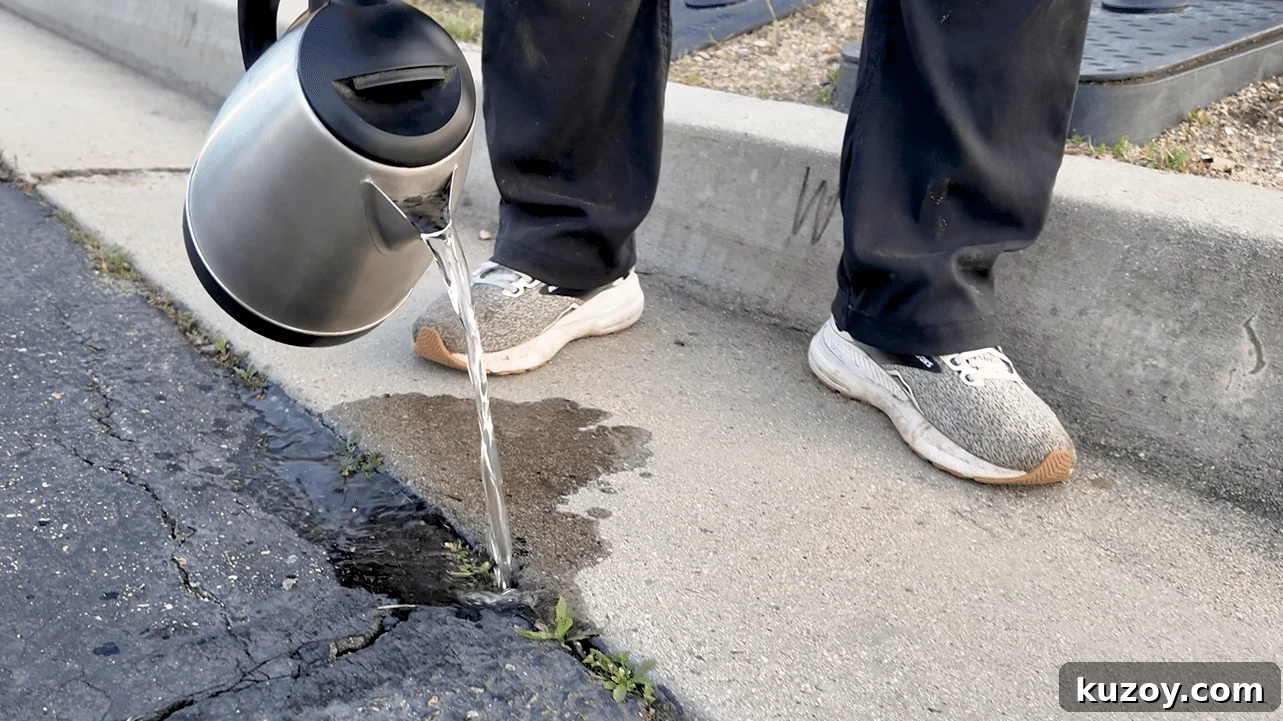
Don’t use boiling water on lawns, garden beds, or soil where you want to preserve earthworms and other beneficial life. It’s best reserved for hardscaping or isolated spots.
Why I don’t recommend many other “natural” weed recipes
I’ve tested many home remedies and observed limitations and unintended consequences: damage to hardscapes, soil chemistry changes, harm to desirable plants, or the need for excessive repeat applications. Below are common options and why I’m cautious about them.
Is vinegar good for killing weeds?
Vinegar is acidic and can burn plant tissue. Household vinegar (about 4–5% acidity) is mild and often requires repeated applications. Horticultural vinegar (up to ~49%) is strong enough to kill plants but demands protective gear, can etch stone and concrete, and will harm any nearby desirable plants and soil life. It can also alter soil pH, so use with caution and only on hardscapes or truly unwanted growth.
Does baking soda kill weeds?
Baking soda (sodium bicarbonate) can dry foliage in some cases, but salts in baking soda can change soil chemistry and harm future plantings. It’s not a reliable long-term solution for garden areas.
How about hydrogen peroxide?
Hydrogen peroxide will damage plants and can bleach or etch stone and cement surfaces. Like boiling water, it’s non-selective and harms beneficial organisms in soil, so avoid using it in beds you plan to plant.
The “three-ingredient” recipe: vinegar, salt & dish soap
Mixes of vinegar, salt, and soap circulate widely online. I tried this and found poor results paired with significant drawbacks: salt runoff can sterilize soil, leaving long-term damage; residues can be unsightly on hard surfaces; and the mix often fails to kill tougher weeds. I don’t recommend it for planted areas.
Castile soap & vinegar — do they work together?
Combining true soap with vinegar causes a chemical reaction that breaks both down into a greasy residue, which typically doesn’t improve weed control and leaves an unpleasant mess. It’s not a practical solution.
Stopping weeds before they start: prevention
Prevention is often the best defense. Preventing weeds saves time and effort later. Try these strategies:
Plant thickly — crowd out weeds
Dense plantings shade the soil and leave little space for weed seedlings. When desired plants touch, weeds struggle to establish.
Use ground covers
Ground covers suppress weeds, protect soil from erosion and moisture loss, and can improve fertility if you choose nitrogen-fixing species. Consult local nursery or extension resources for region-appropriate options.
Water wisely to limit weeds
Targeted irrigation—drip lines and soaker hoses—delivers water to the plants you want, not open soil where weed seeds germinate. Avoid broad overhead watering that encourages widespread weed growth.
Mulching for weed control
Mulch is one of the most effective preventative measures. A 3–4 inch layer of organic mulch suppresses weeds, retains moisture, adds nutrients as it decomposes, and improves soil structure. Avoid synthetic rubber mulches if you want organic matter returned to the soil. Dense, high-quality mulches create a comfortable working surface and reduce maintenance.
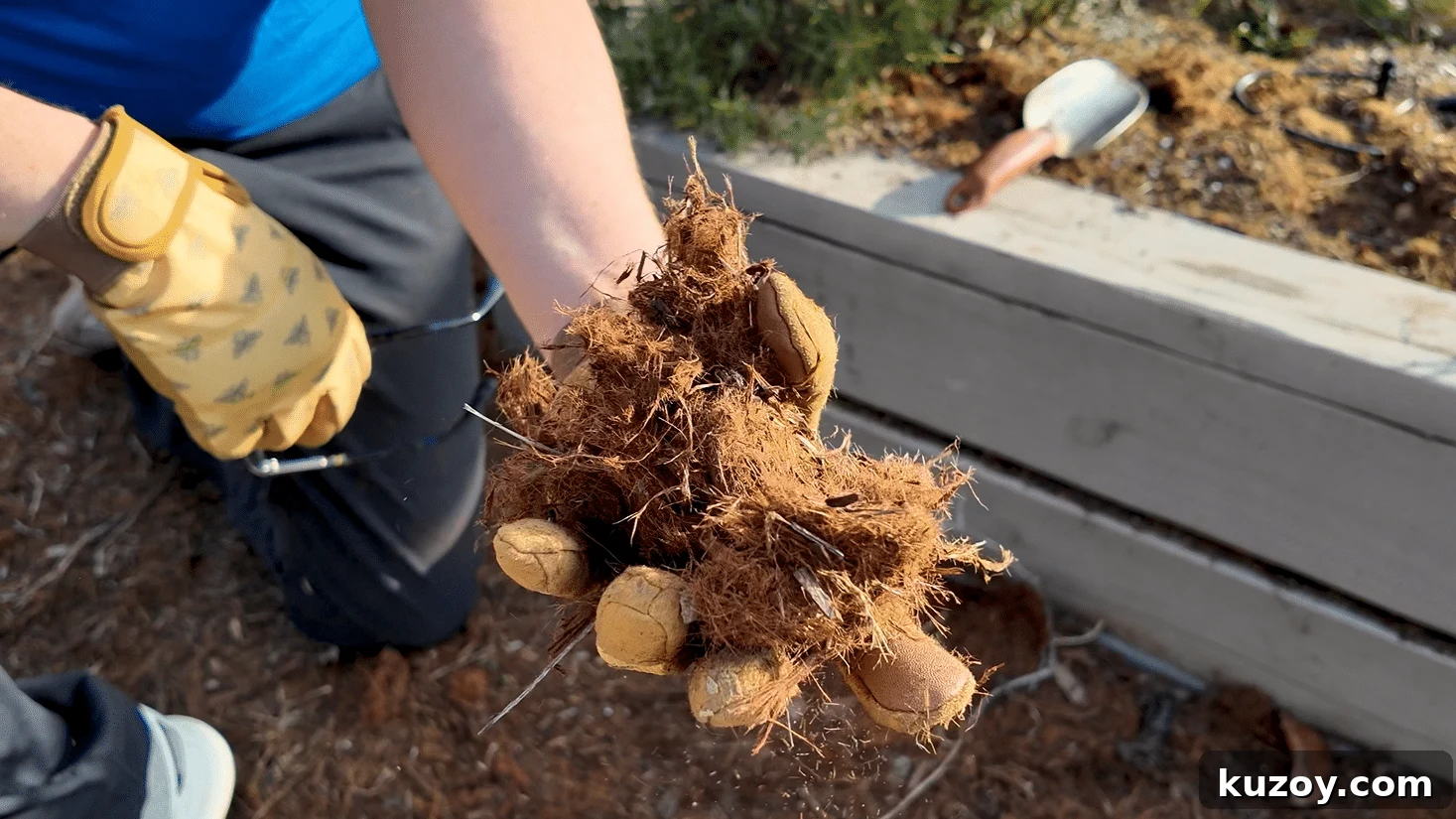
Landscape fabric for weed control
Landscape fabric can help when used under mulch or gravel. Expect some weeds to sprout in the mulch layer, but they are usually shallow-rooted and easy to remove. Fabric provides a useful barrier if covered adequately with 3–4 inches of mulch.
The most targeted control: physical removal
Physical removal is low-tech but highly effective. It’s the most selective option and avoids chemicals entirely.
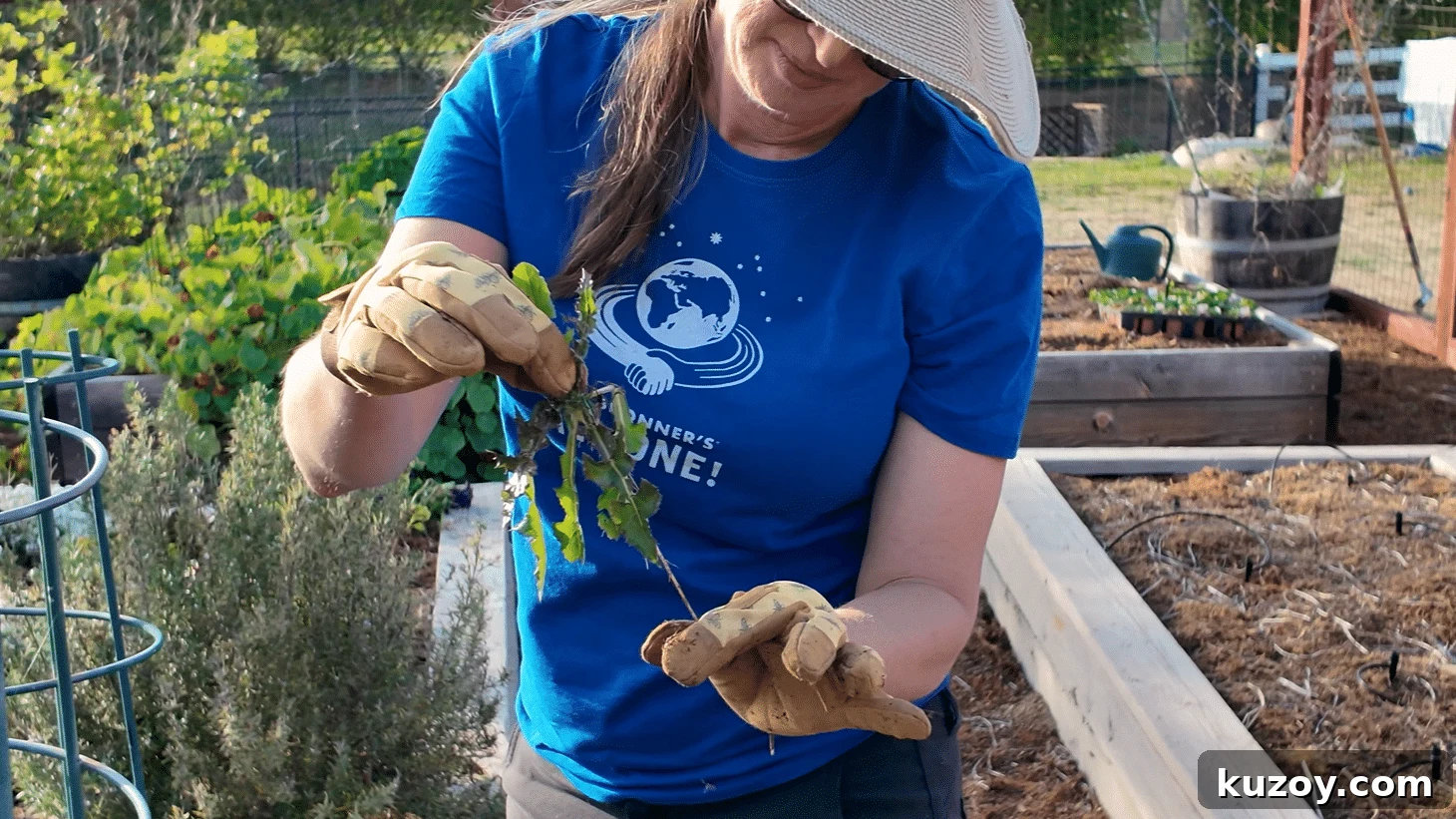
Hand pulling weeds: how to prevent regrowth
Hand pulling is ideal in densely planted beds where you can’t risk non-selective treatments. Pulling works best when the soil is slightly moist. Use a trowel or cultivator to loosen roots and remove the entire root system. Smaller weeds are easier—regular vigilance prevents big, backbreaking sessions later. Treat hand weeding as a calm, productive task—listen to a podcast or be present while you work.
The key is to find some good tools that work for you. I’m a fan of a cultivator and a trowel.
There’s nothing like a good hoe
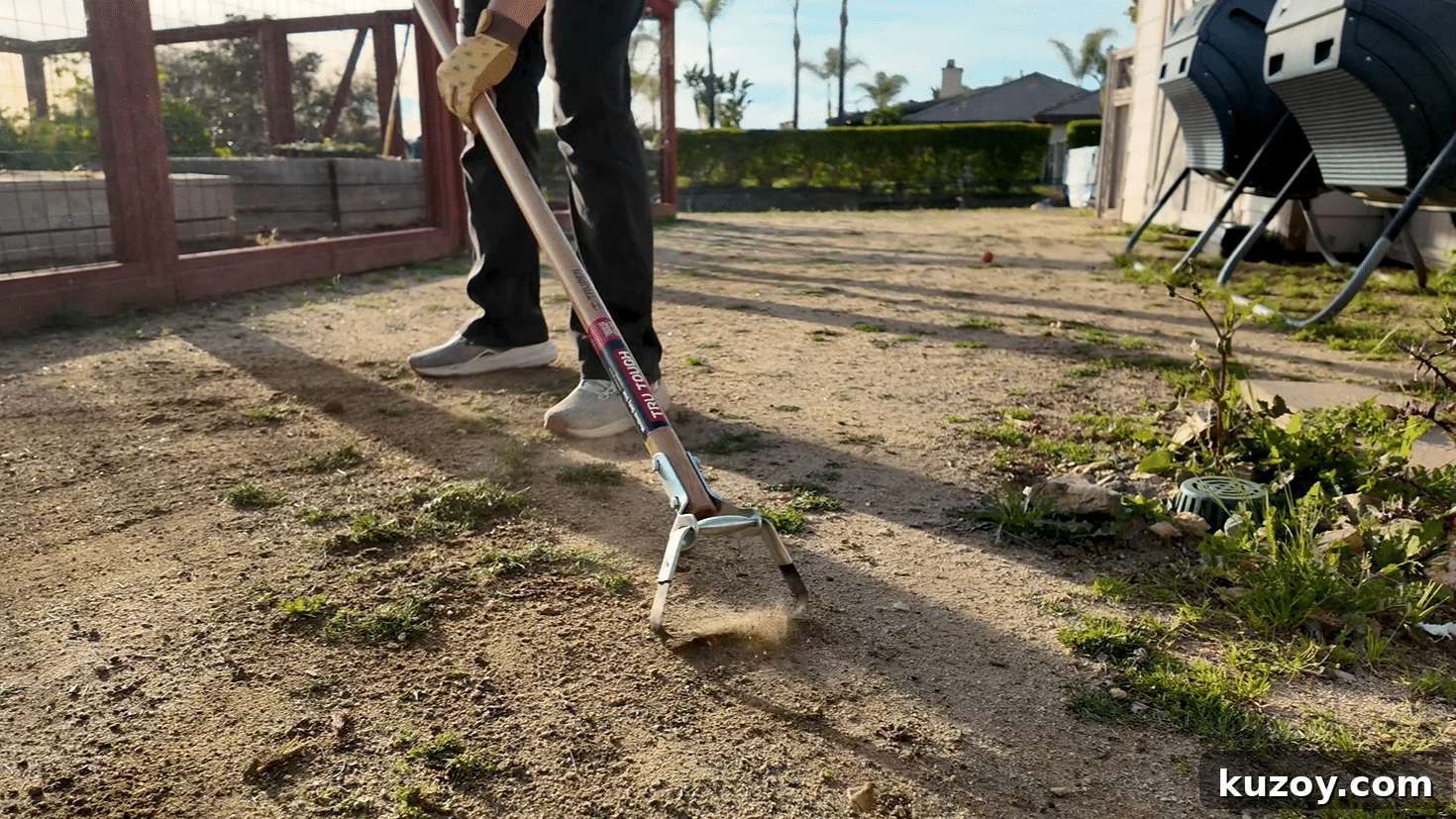
Different hoes suit different tasks. For light-packed native soil and broad sweeps, a hula (stirrup) hoe excels. Keep the blade sharp, hold it at about a 45° angle, and use short push-pull strokes to cut weed roots just below the surface.
Rototilling — pros & cons
Rototilling can quickly clear an area but also brings weed seeds closer to the surface and disrupts soil structure and microbial communities. It’s useful for incorporating cover crops like legumes into soil as a nutrient-building step, but shallow tilling is preferable to deep disruption.
Other natural weed control methods
What is sheet mulching and how does it work?
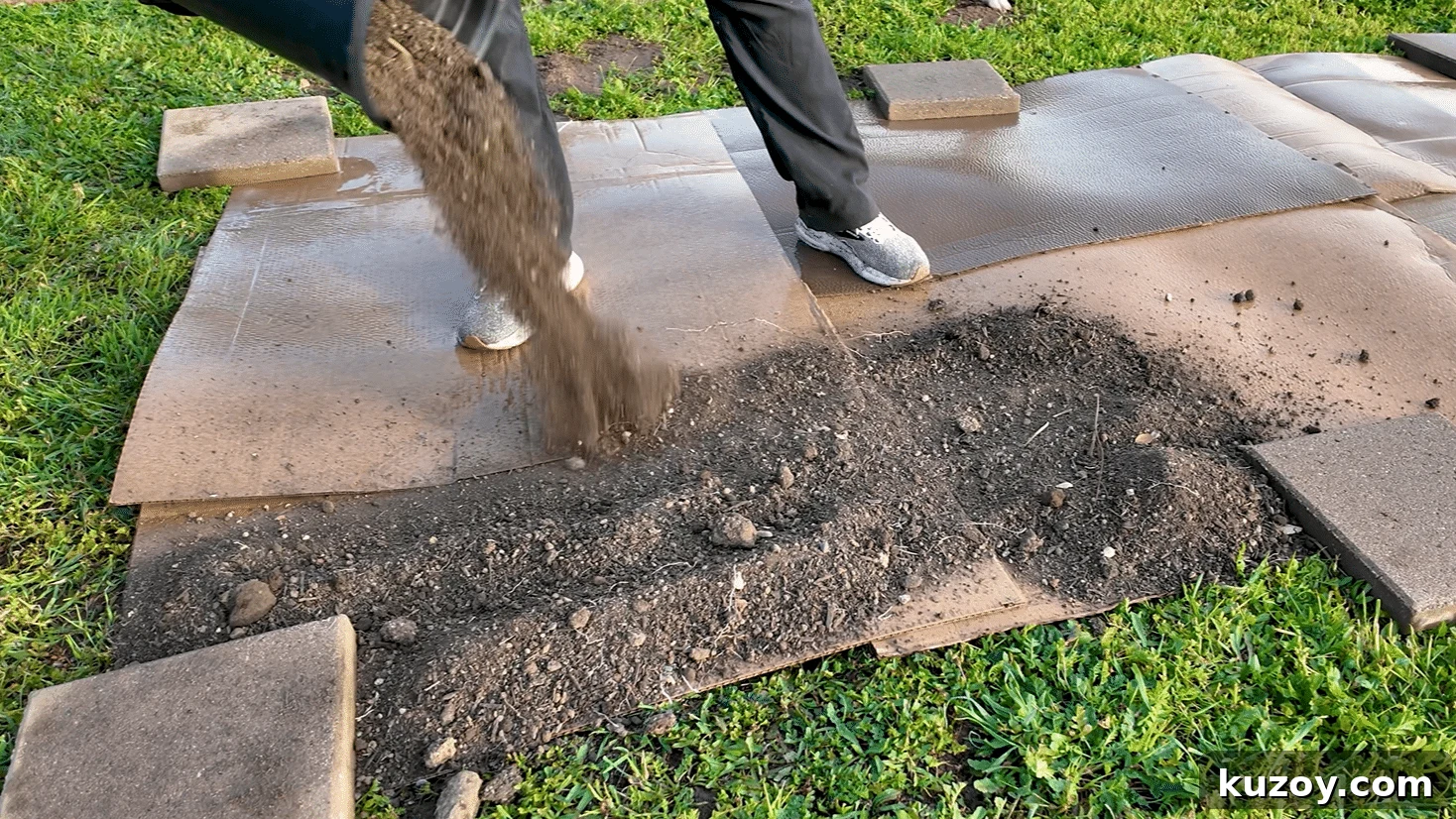
Also called lasagna gardening, sheet mulching layers organic materials to smother weeds and build soil. It’s low effort and creates rich soil, but it takes time—often several months.
How to sheet mulch:
- Cut existing vegetation short and leave the clippings in place.
- Scatter soil amendments if desired.
- Cover with overlapping cardboard or thick newspaper (no glossy ink), remove tape and labels, and weigh down edges.
- Soak the layers thoroughly.
- Add 2–3 inches of nitrogen-rich compost, then alternate with carbon-rich materials (dry leaves, straw) until 12–18 inches total.
- Keep the layers moist while they decompose; after a few months you’ll have weed suppression and improved soil.
Tarping & solarizing
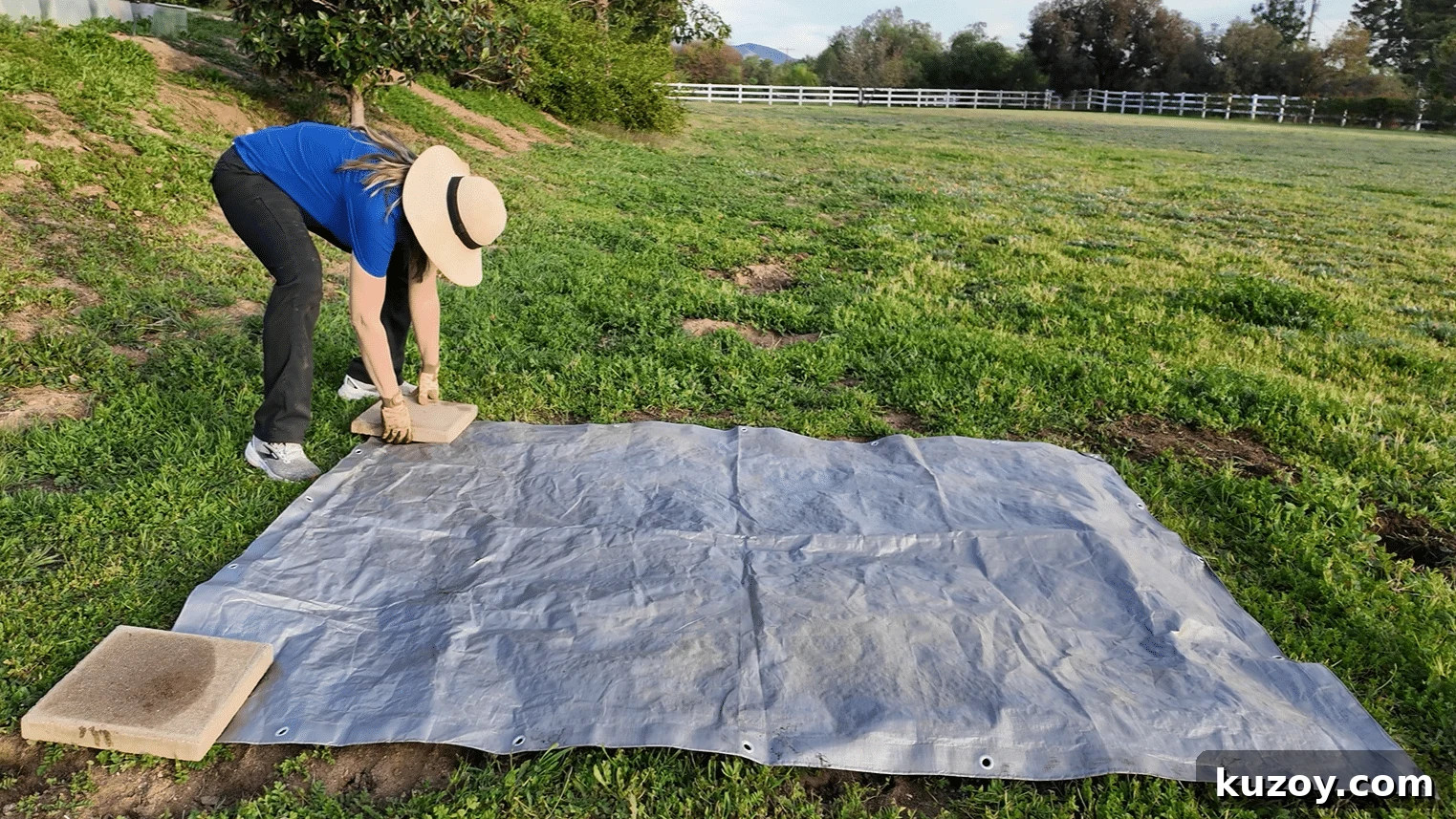
Covering ground with a tarp or thick newspapers and weighting the edges for a couple of weeks uses solar heat and darkness to kill weeds quickly. It won’t improve soil health like sheet mulching, and you shouldn’t leave coverings too long to avoid harming beneficial soil life or degrading materials.
Flame weeding
Flame weeders kill plants by heat and are chemical-free. They’re effective and targeted but carry fire risk; learn safe operation and check local regulations before use.
Mowing for weed control
On larger parcels, regular mowing keeps brush down, prevents seed set for many weeds, reduces wildfire fuel, and helps retain nutrients when clippings are left in place. Monthly mowing of an unmanaged field can produce a pleasant, low-input turf-like area during the growing season.
Unexpected natural weed control methods
Using chickens & goats
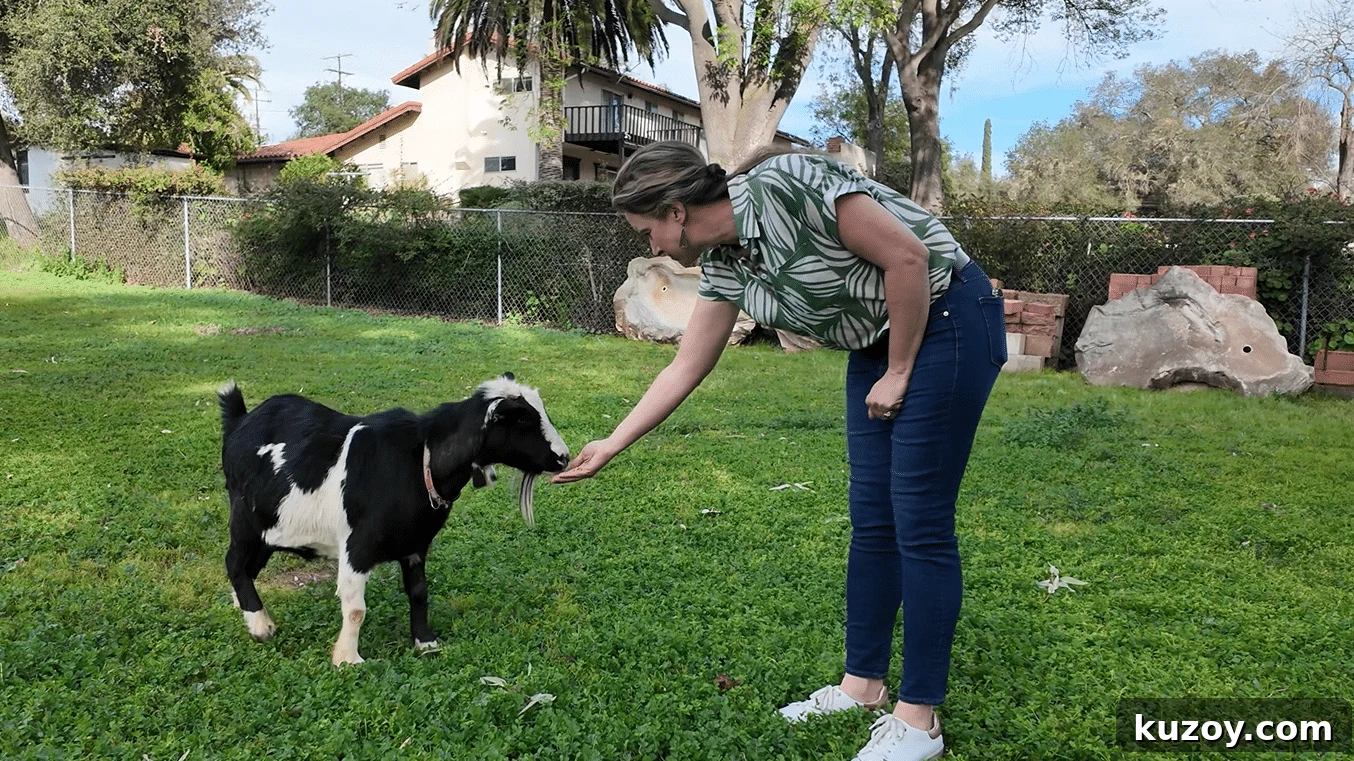
“Goatscaping”—renting goats to graze and clear vegetation—is used in many places. Chickens also help by scratching and eating young plants. Both are indiscriminate eaters, and they produce fertilizer in the form of droppings. They can be effective on large, weedy areas if you can accommodate and manage animals.
Edible weeds
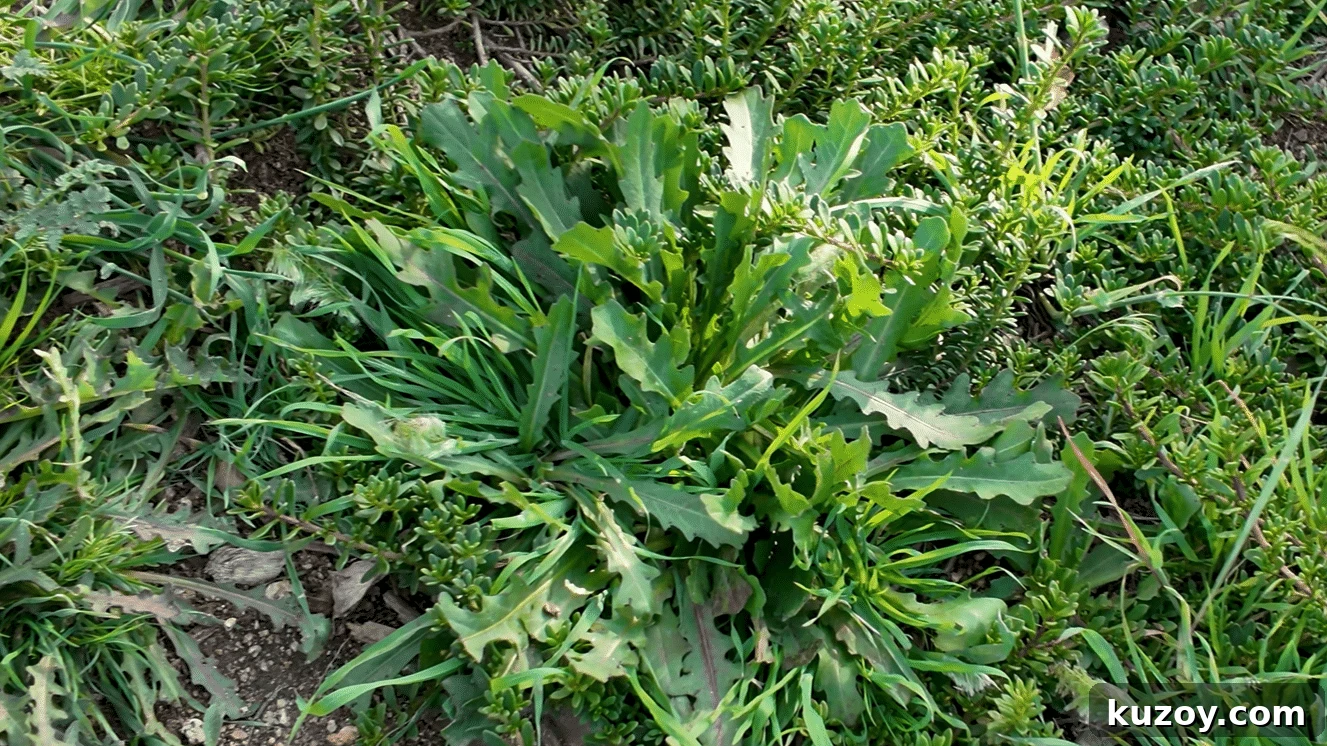
Some plants labeled as weeds are edible and nutritious—dandelion greens, purslane, sorrel, and others. If you decide to forage them, ensure they haven’t been treated with pesticides or herbicides, rinse them well, and enjoy a free addition to your meals.
Understanding beneficial weeds
Some so-called weeds are valuable. Clover, for example, makes a good ground cover, conserves moisture, crowds out competitors, and attracts pollinators. Recognizing which volunteers help your landscape can reduce unnecessary removal.
Natural weed killer FAQs
Is homemade weed killer safe for pets?
It depends on the ingredient. Boiling water is harmless once cooled but keep pets away during application. Salts, soaps, and other chemicals can cause distress if ingested, so keep pets and livestock out of treated areas until residues are gone or the area is rinsed.
How do you stop weeds from growing?
Block weeds with dense plantings, ground covers, a thick layer of organic mulch, landscape fabric under coverings, and targeted irrigation to reduce germination in open soil.
What is sheet mulching?
Sheet mulching layers cardboard or newspaper with alternating moist compost and dry carbon materials to smother weeds and build soil over several months. Keep layers moist while decomposition occurs.
Can I use homemade weed killer in a vegetable garden?
No—avoid non-selective treatments in vegetable beds. Use mulch, hand pulling, or targeted hoeing instead to protect desirable crops and soil life.
Does boiling water kill weeds permanently?
Boiling water can eliminate small, tender weeds, but larger plants with deep roots may regrow and require follow-up removal or different methods.
How do you stop weeds growing through mulch?
Apply mulch thickly—3–4 inches is ideal. Thin layers allow weeds to push through; a substantial layer suppresses germination and growth.
Putting it all together
Weeds can be managed without toxic herbicides, but there’s no single cure-all. The most effective strategy is a combination of prevention and targeted action: dense plantings and ground covers, thick organic mulch, smart irrigation, and selective physical removal. For hard surfaces, boiling water or careful spot treatments can work. For larger areas, mowing, tarping, sheet mulching, or grazing animals may be appropriate. Invest a little time and effort up front and you’ll reduce maintenance later while keeping your outdoor spaces healthier for people, pets, and the soil beneath your feet.
Further reading:
- Castile Soap Garden Spray
- How to Green Clean Outdoor Spaces with Dr. Bronner’s
- Gardening Regeneratively at Home
- Grow Something