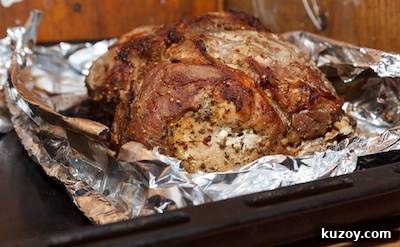
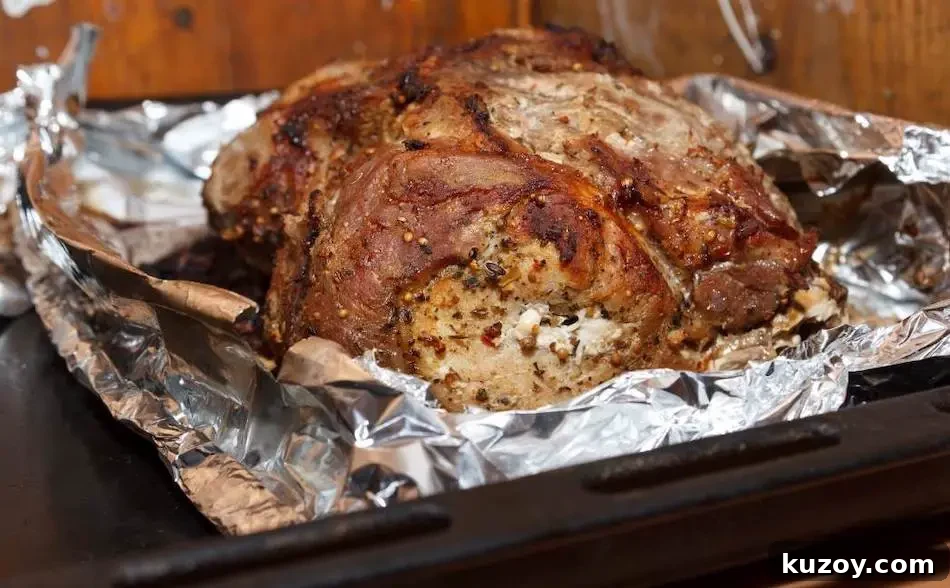
Wrapping a pork butt in foil is a key technique for achieving tender, juicy pulled pork and can significantly shorten the total cook time. Done at the right moment, foil wrapping helps the meat braise in its own juices and pushes it through the infamous stall. If wrapped too early, however, you risk softening or ruining the bark. Below are practical, competition-tested tips for when and how to wrap a pork butt to get the best results.
The best time to wrap a pork butt is when the internal temperature reaches about 160°F–165°F and the bark has set and begun to crack. This typically happens around 5–6 hours into a cook at conventional smoking temperatures. Use two layers of heavy-duty aluminum foil, spritz the meat before sealing, and insert a probe into the roast so you can return it to the smoker until it reaches around 200°F. Don’t rely on temperature alone — confirm the bark is firm before you wrap.
When To Wrap Pork Butt
| Step | Description |
|---|---|
| Wait until bark is firm and beginning to crack | Wrap once the bark has formed and begins to crack; wrapping will soften the crust, so a firm bark beforehand helps preserve texture. |
| Wait until internal temperature reaches 160°F–165°F | The stall often occurs near this range. Wrapping at this stage helps push the meat through to higher temperatures more quickly. |
| Use two layers of aluminium foil | Use heavy-duty foil in two layers and spritz the meat before sealing to create steam and retain moisture. |
| Insert a temperature probe | Place a probe through the foil into the roast and return it to the smoker until the internal temperature reaches the target (approximately 200°F). |
| Wrapping speeds up the cook | By trapping heat and moisture, wrapping can shave as much as two hours off the total cook time by overcoming the stall. |
Wrapping Speeds the Cook
One major reason to wrap pork butt is to avoid the stall — a period when the internal temperature plateaus as surface moisture evaporates and cools the meat. Wrapping locks in heat and moisture, allowing the roast to braise and move through the stall faster. That trapped steam accelerates the cook and helps the meat reach finishing temperature sooner.
Spritz Before Wrapping
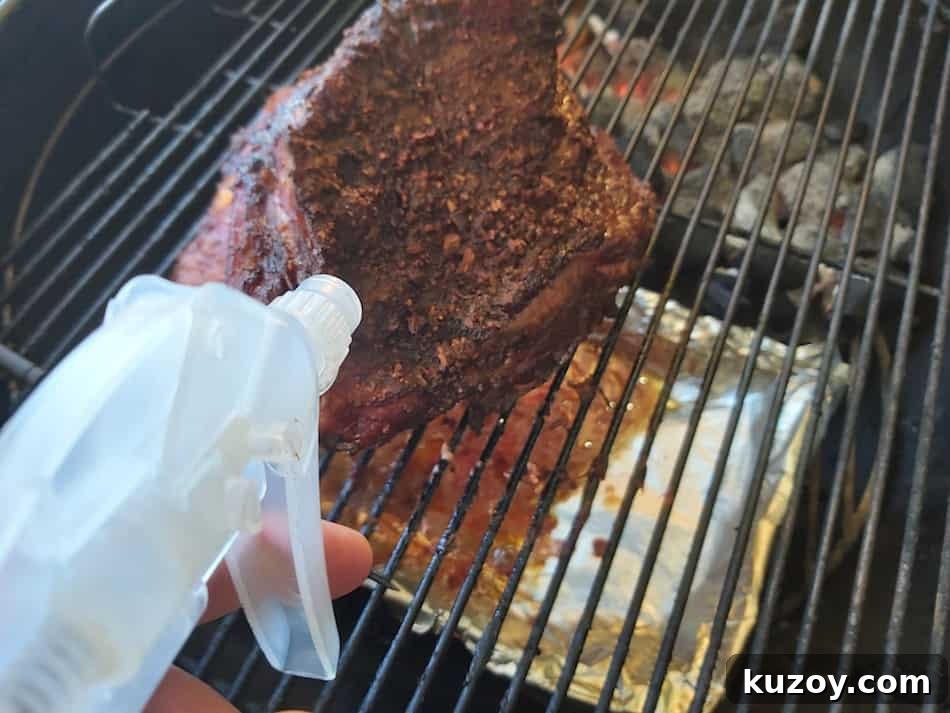
Before sealing the foil, give the pork butt a final spritz with apple juice, cider vinegar, or your preferred mop. The added liquid increases steam inside the foil packet, keeps the meat moist, and helps the roast braise. Some pitmasters also add a light dusting of rub before sealing to boost flavor.
Use Heavy-Duty Foil
Choose heavy-duty aluminum foil to avoid tears that allow steam and juices to escape. If you must use lighter foil, overlap extra layers (three layers if necessary). Any breaches in the wrap reduce moisture retention and increase the chance of a drier final product. Save the juices when you open the foil to spoon over the meat when serving.
How To Get a Nice Bark
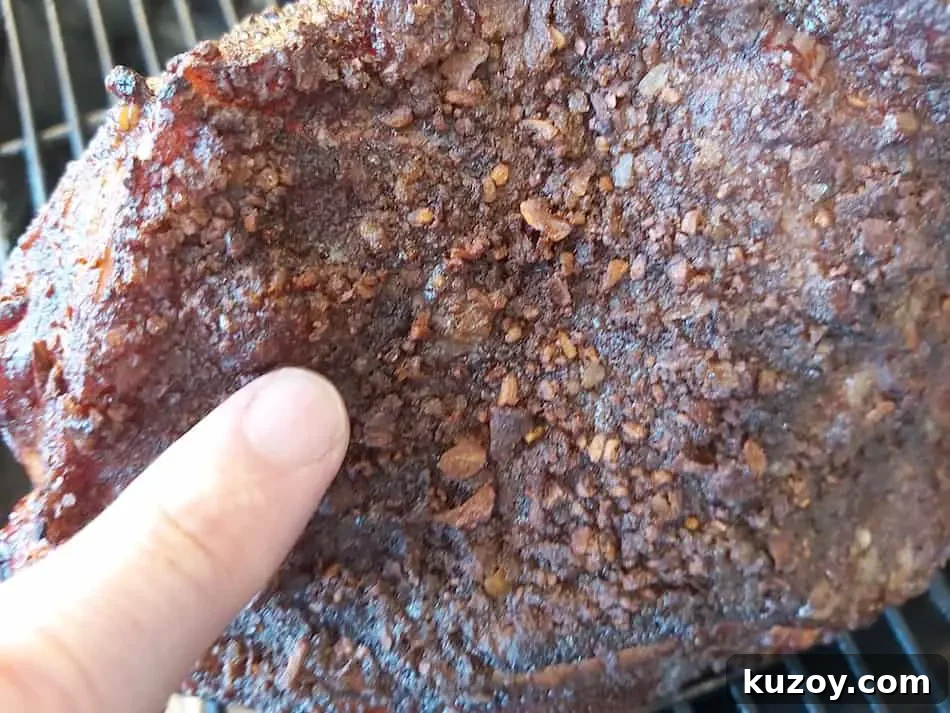
The first hours of the cook are critical for bark formation. During those initial 4–6 hours, rub, smoke, meat, and rendered fat combine to form the crust. Regular mopping or spritzing helps the rub adhere and develop color. Once you wrap, bark formation stops and the crust will soften, so let the bark establish before sealing the meat in foil.
How to Recover Soft Bark
Wrapping inevitably softens the bark, but you can firm it back up. Ensure you developed a good, crisp bark before wrapping. After unwrapping, return the roast to the smoker or grill for 5–15 minutes, rotating slowly until the bark dries and firms. Watch the meat closely to avoid over-drying.
Best Temperatures for Smoking Pork Butt
Smoking temperatures vary by style and timetable. A conservative range is 220°F–250°F for steady, low-and-slow cooking. If you need a faster cook, 275°F–300°F can produce excellent results and save time; some competition pitmasters smoke at higher temps without issue. Choose a temperature that fits your schedule and monitor the meat closely.
When Pork Butt Is Done
Pork butt is typically finished between 195°F and 205°F. For pull-apart tenderness, target about 195°F–200°F; the meat should shred easily at this stage. Be alert once the roast hits about 180°F, as temperature can climb quickly. After wrapping, you can finish the roast in the oven if needed — the objective at that stage is reaching the target temperature rather than adding more smoke.
Insert a Probe
After wrapping, insert a meat probe through the foil into the thickest part of the roast to monitor internal temperature without repeatedly opening the package. Limit additional punctures to avoid juice loss. In the final stages, confirm doneness with an instant-read thermometer in several spots; multiple 195°F readings indicate the roast is ready to rest.
Best Wood for Smoking Pork Butt
Fruit woods pair wonderfully with pork — apple and cherry provide a sweet, mild smoke. For a stronger profile, add hickory, pecan, or oak in small amounts. Add 4–5 chunks of wood once the smoker is up to temperature and wait for clean, steady smoke before placing the meat on the grate.
Resting and Holding
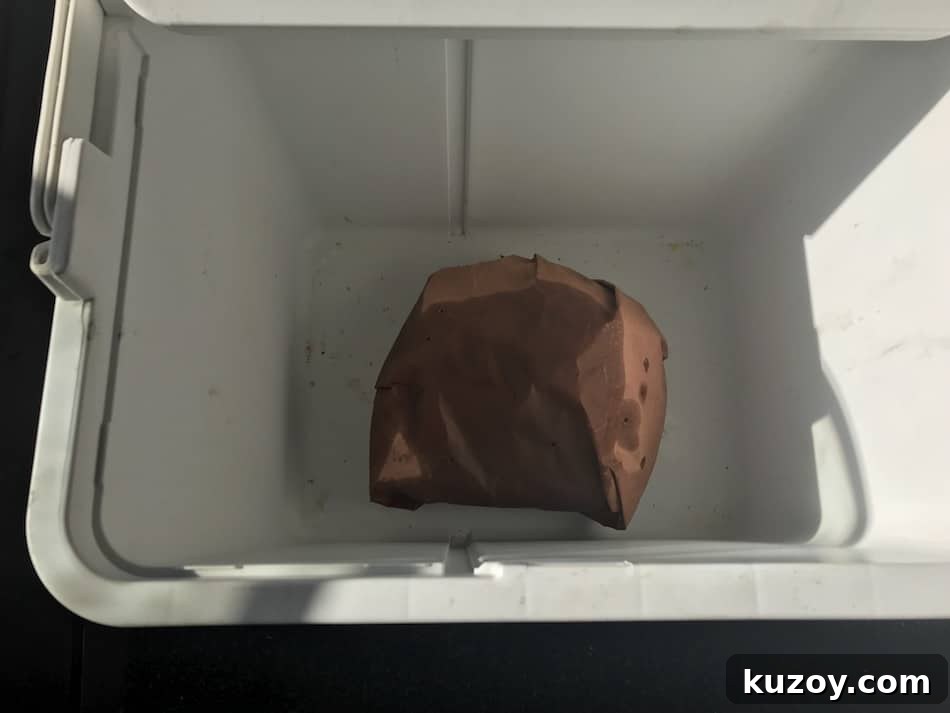
Resting is essential. After removing the pork butt from the smoker, allow it time to rest so juices redistribute and reabsorb into the meat. Cutting too soon causes valuable juices to run out and yields dry pork. Resting can be done in a cooler, wrapped in foil or butcher paper, for an hour or more depending on the size of the roast.
Wrapping in Butcher Paper
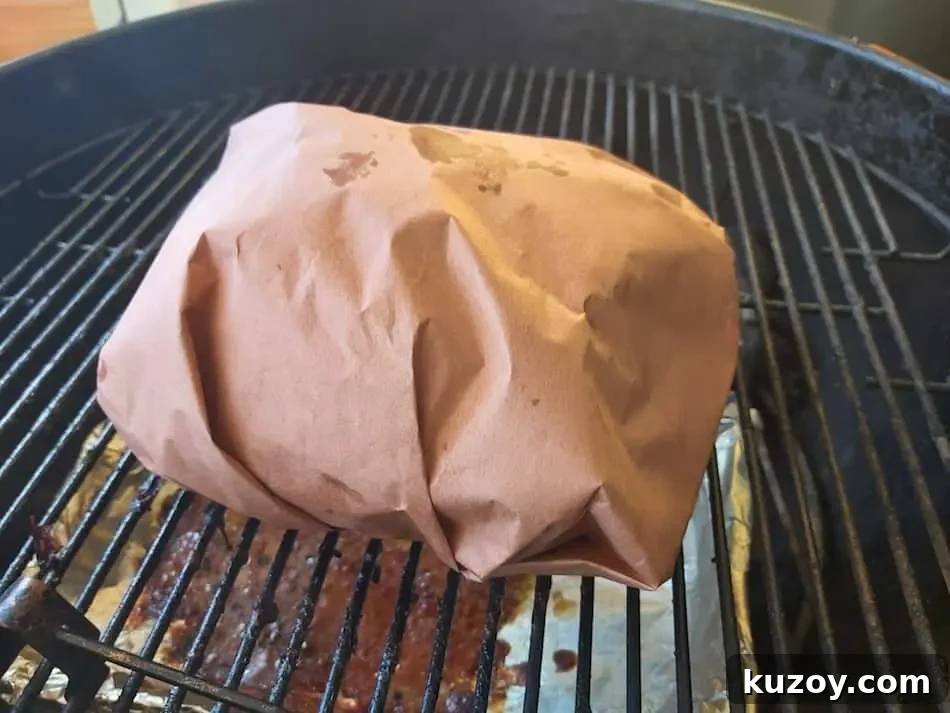
Butcher paper is an alternative to foil that allows the meat to breathe and helps preserve a firmer bark. Use food-grade, unwaxed pink butcher paper rather than parchment or kraft paper. Many pros prefer this method when they want a balance between moisture retention and bark texture.
Recommended Tools for Smoking
Reliable thermometers and quality wrapping materials make a big difference. Wireless or multi-probe thermometers let you monitor temperature without opening the smoker, and heavy-duty foil or food-grade butcher paper ensure proper moisture control. Investing in these basic tools improves consistency and reduces stress during long cooks.