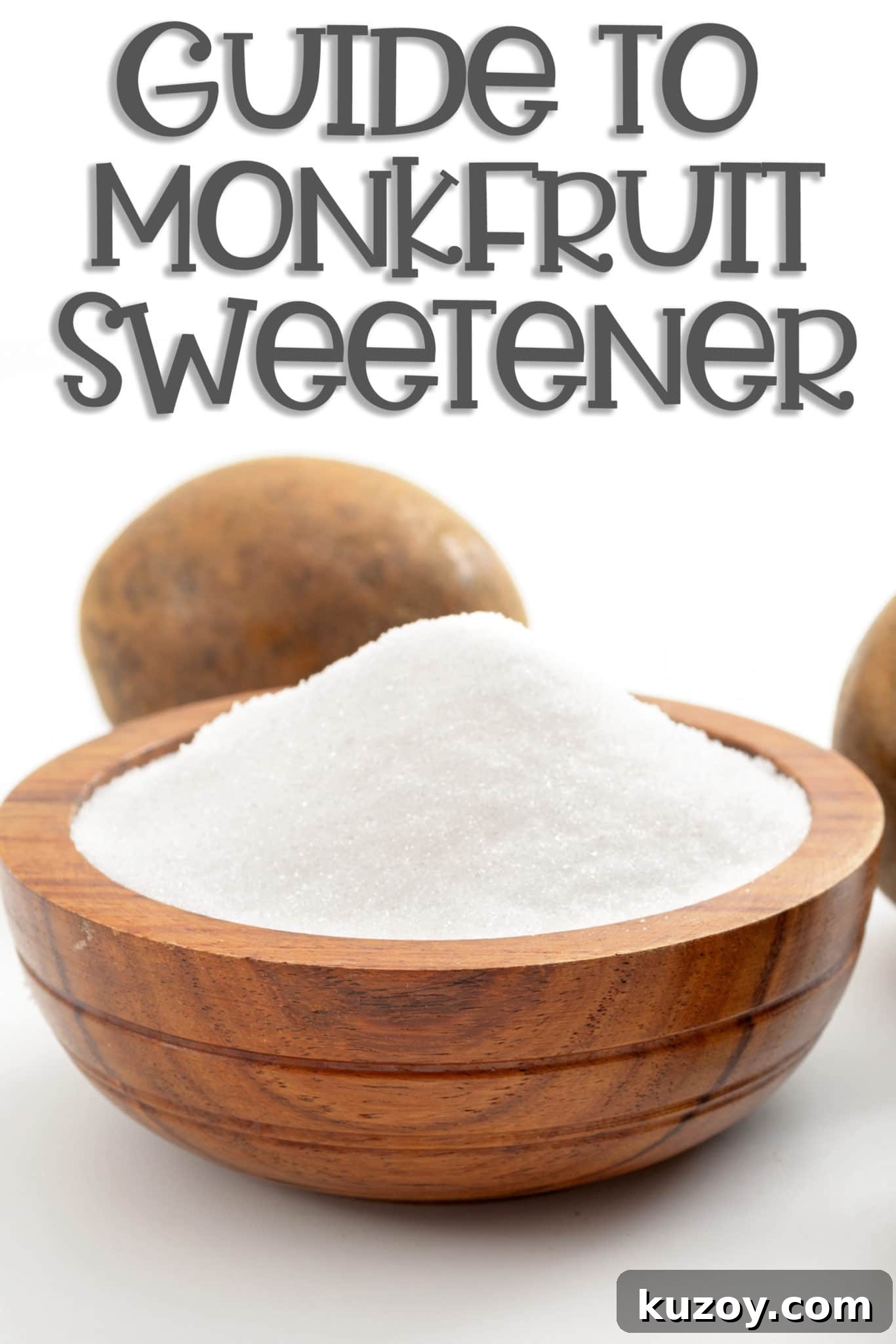
Like allulose and erythritol, monk fruit is a natural, low-calorie sweetener that works well as a sugar substitute in baking and cooking. Below you’ll find clear information about monk fruit, how it’s used, its benefits, and dessert recipes where it shines.
When creating recipes for this blog I aim for low-carb and refined sugar–free options. Whether you’re avoiding sugar for health reasons or personal preference, you shouldn’t have to give up treats entirely. Many desserts can be made delicious without refined sugar, and monk fruit is one of my go-to sweeteners.
Over the years I’ve tested many sugar alternatives; monk fruit is one I use frequently in desserts. I’ve summarized the most helpful facts about what it is, how it’s made, and how to use it in place of table sugar.
Frequently Asked Questions About Monk Fruit
I get a lot of questions about monk fruit, so I gathered the most common ones and answered them here. If you have more questions, feel free to reach out.
What Is Monk Fruit?
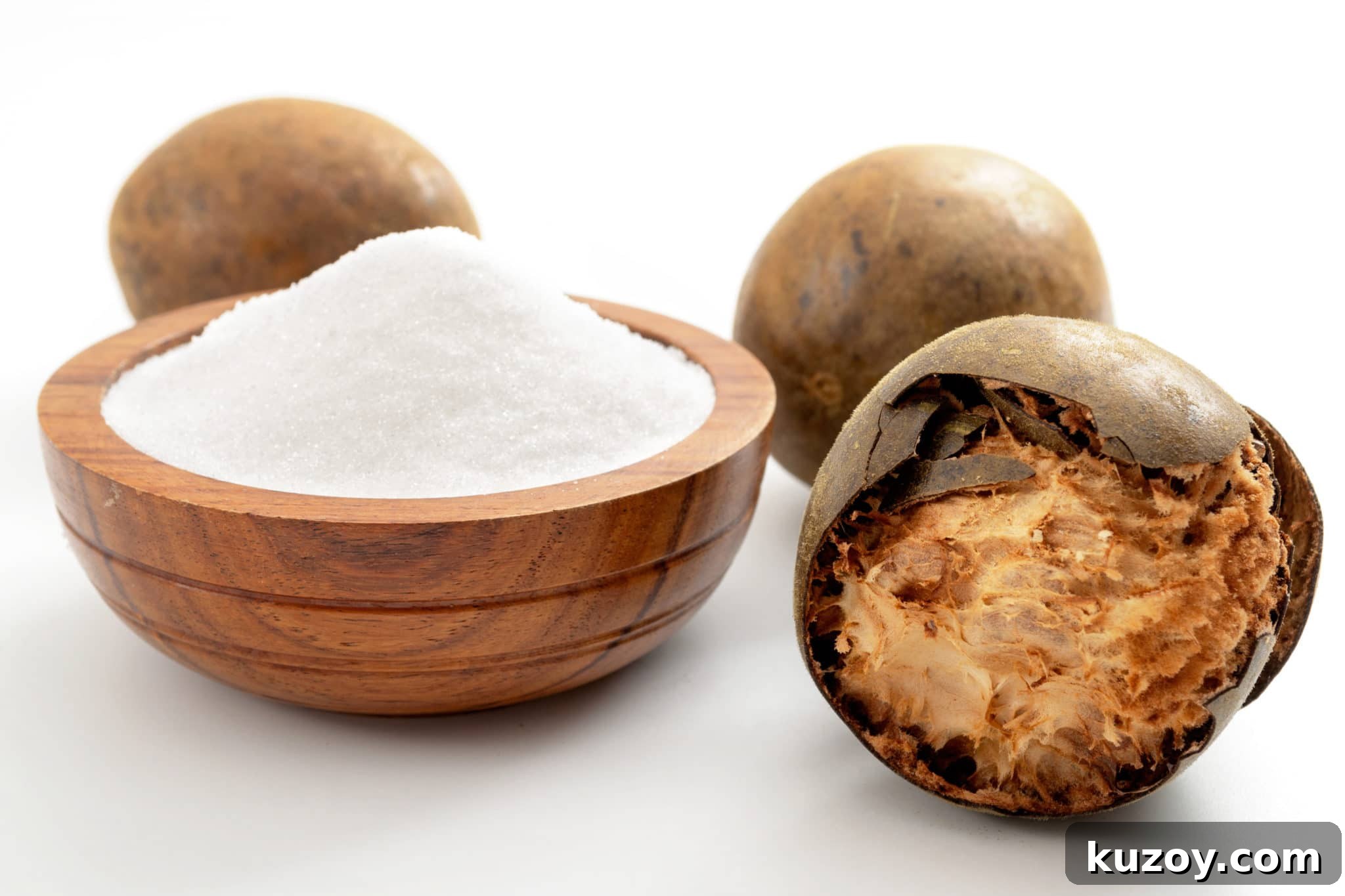
Monk fruit, also called Luo Han Guo, is a small round fruit native to Southeast Asia. The natural sugars in the fruit include fructose and glucose, but the intense sweetness primarily comes from antioxidant compounds called mogrosides. During processing, manufacturers separate and concentrate these mogrosides, removing the natural fruit sugars so the final sweetener contains little to no carbs or calories.
What Does Monk Fruit Taste Like?
Monk fruit is very sweet—often much sweeter than sugar—so it’s commonly sold as a concentrated extract or blended with a bulking agent like erythritol. In blends, monk fruit provides sweetness while the bulking agent helps mimic sugar’s texture and volume.
Is Monk Fruit A Sugar Alcohol?
No. Monk fruit sweetener is derived from fruit and is not a sugar alcohol.
What Is The Nutritional Value of Monk Fruit?
Pure monk fruit extract contains virtually zero calories and zero carbs, which makes it appealing for low-carb and ketogenic diets.
Is It Safe To Consume?
The FDA acknowledged monk fruit as generally recognized as safe (GRAS) and it has a strong safety profile. The fruit’s mogrosides also have antioxidant and anti-inflammatory properties, and ongoing research is exploring additional potential health benefits.
Does It Raise Blood Sugar Levels?
Monk fruit sweetener does not raise blood sugar levels, making it a suitable option for people with diabetes or anyone monitoring blood glucose. Some studies indicate it may support better blood sugar control when used in place of sugar.
Is Monk Fruit Keto Friendly?
Yes. Because it contributes negligible calories and carbs, monk fruit is keto-friendly and commonly used in ketogenic recipes.
Can You Bake With Monk Fruit?
Yes. Monk fruit works well in many baked goods. Because pure monk fruit extract is highly concentrated, many bakers prefer blends that combine monk fruit with erythritol or another bulking agent to better replicate sugar’s volume and texture in recipes.
Where Can I Find Monk Fruit?
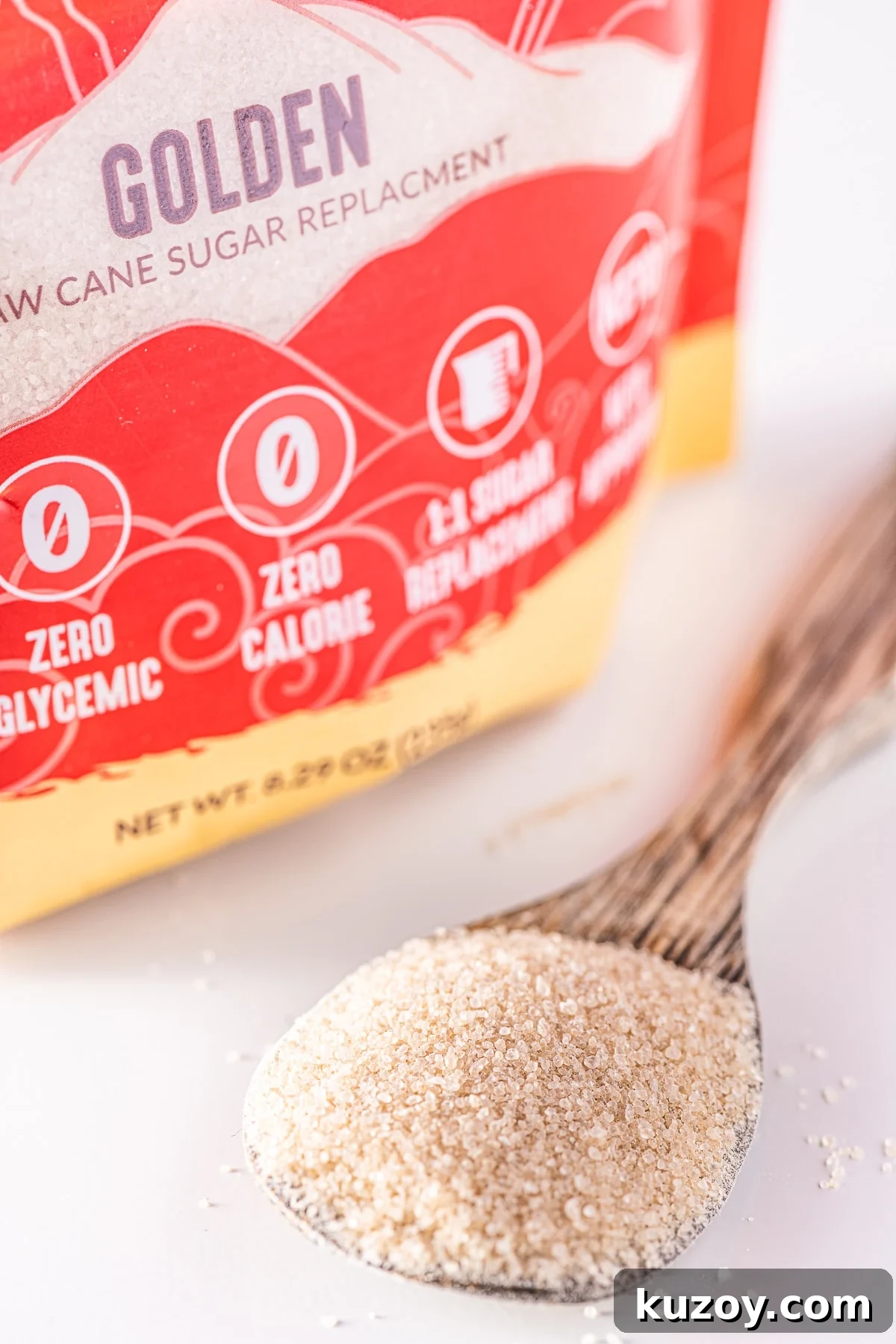
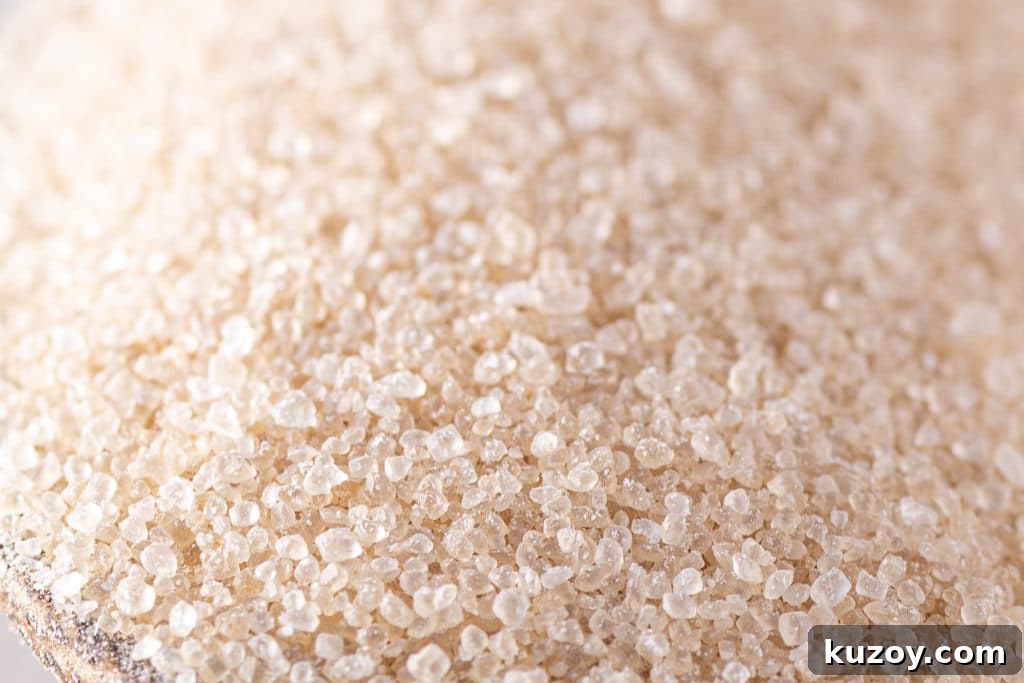
Monk fruit sweeteners are widely available in grocery stores and online. They come in several formats—liquid, powder, golden, and granular—so you can choose the form that best suits your recipes. Many brands offer monk fruit on its own or blended with erythritol for a convenient baking-friendly option.
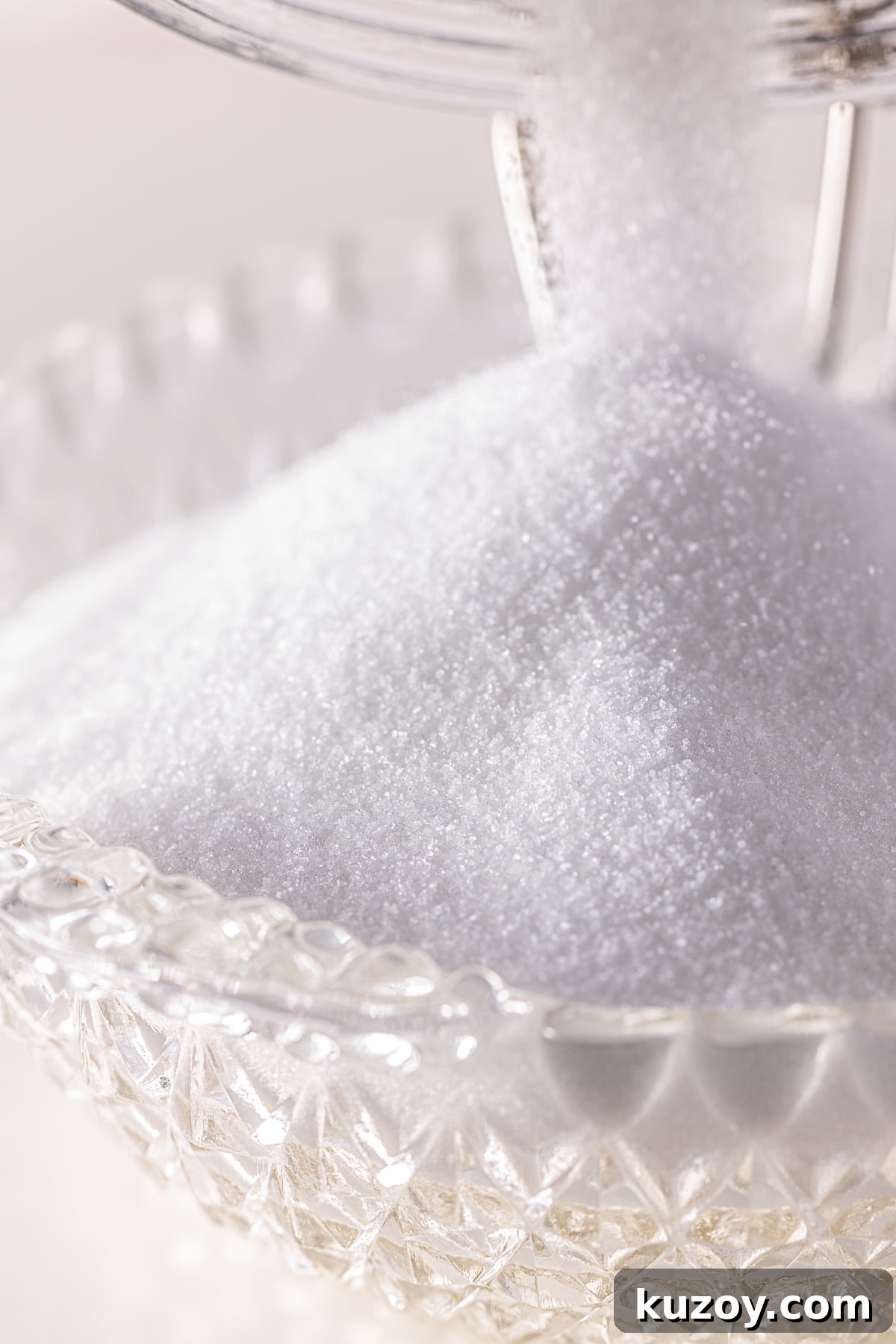
Recipes Where Monk Fruit Works Well
I use monk fruit regularly in baking. My favorite format is a powdered blend of monk fruit and erythritol—this combination balances sweetness, reduces aftertaste, and behaves like sugar in many low-carb recipes.
Below are several desserts where I use monk fruit. These recipes highlight how versatile the sweetener can be in crusts, fillings, frostings, and more.
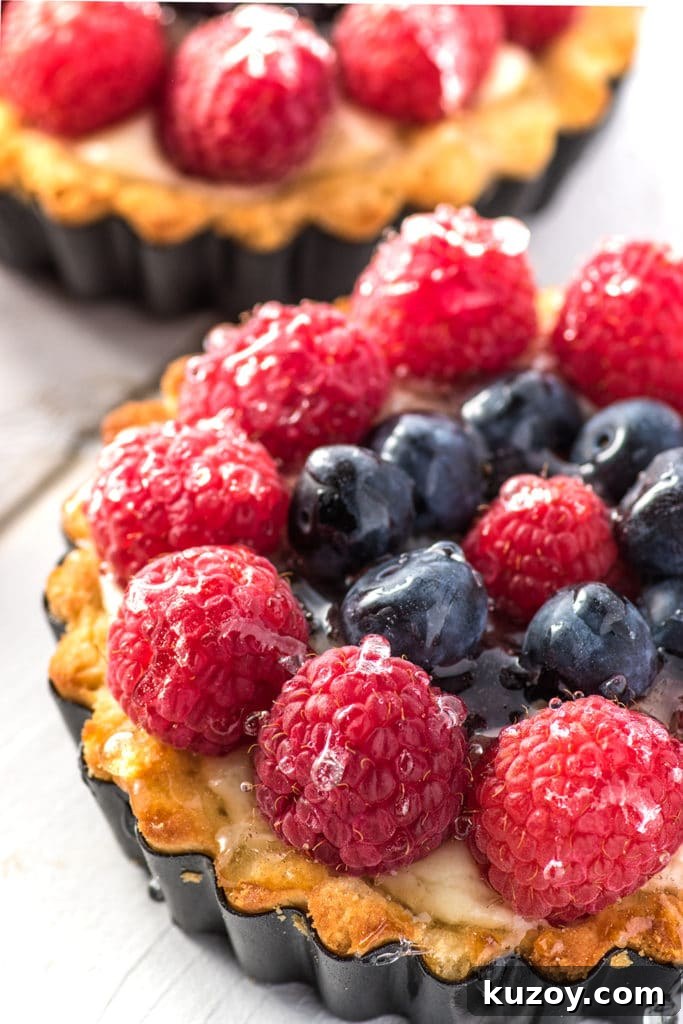
Fresh Fruit Custard Tarts
Custard tarts topped with fresh fruit are a comforting, elegant dessert. For my version I sweeten both the crust and the vanilla custard with a powdered blend of monk fruit and erythritol to achieve a balanced sweet flavor without refined sugar.
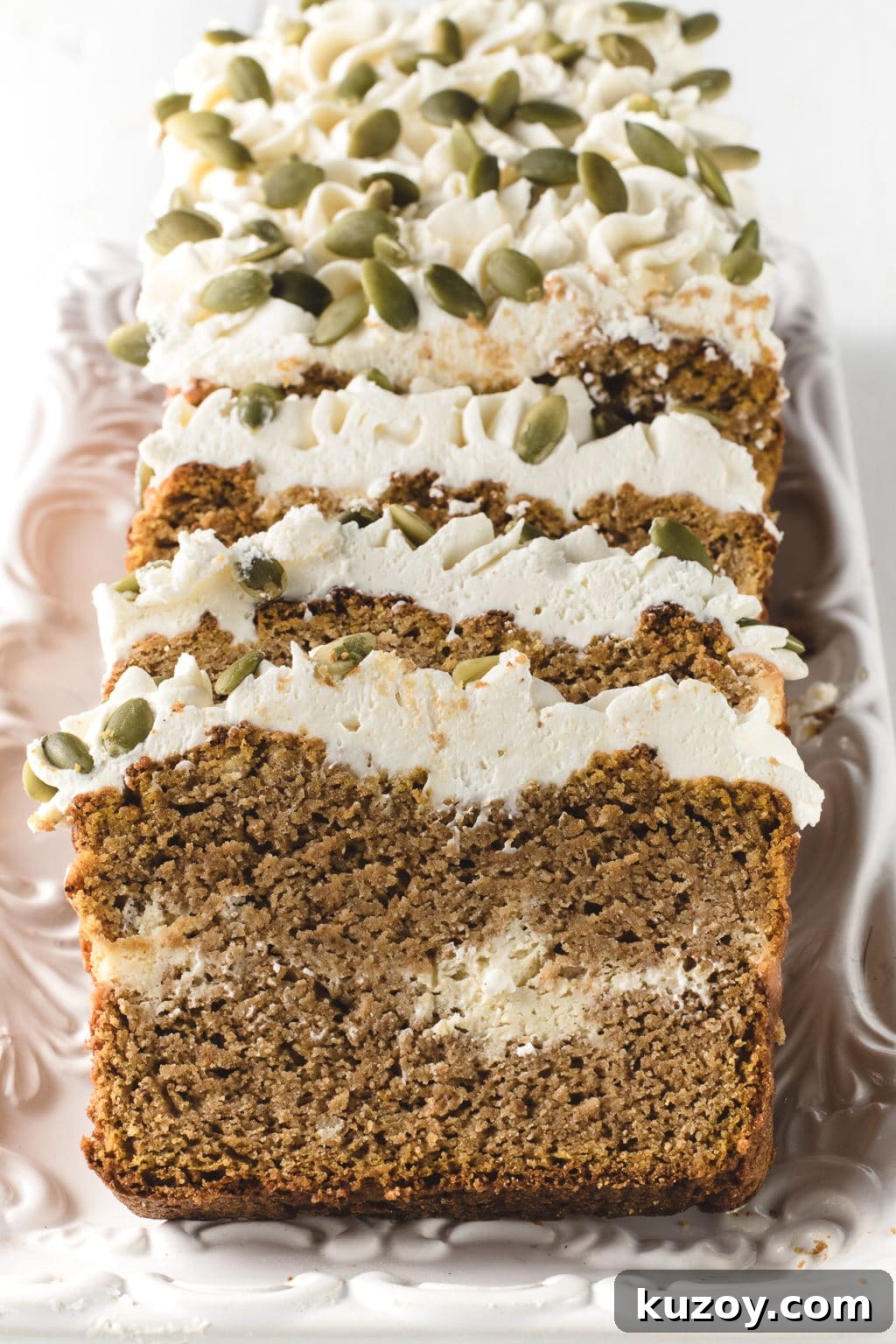
Low Carb Spiced Pumpkin Bread Stuffed with Cream Cheese
This spiced pumpkin loaf is a fall favorite, and the surprise cheesecake center never fails to impress. I use a monk fruit blend to sweeten the bread batter, the cheesecake filling, and the whipped cream cheese topping, resulting in all the cozy flavors with far fewer carbs than the traditional version.
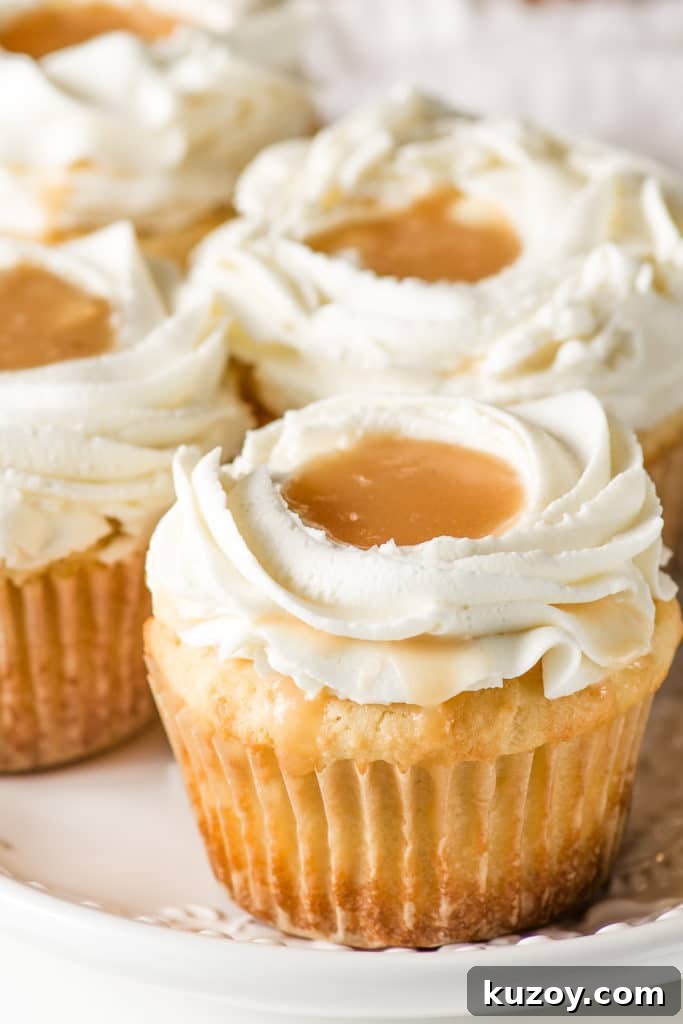
Salted Caramel Keto Cupcakes
These small vanilla cupcakes, made with almond and coconut flour, are topped with cream cheese frosting and a sweet-salty caramel. The cupcake batter uses a powdered monk fruit and erythritol blend to provide the right sweetness and texture. Note: the caramel in this recipe uses allulose.
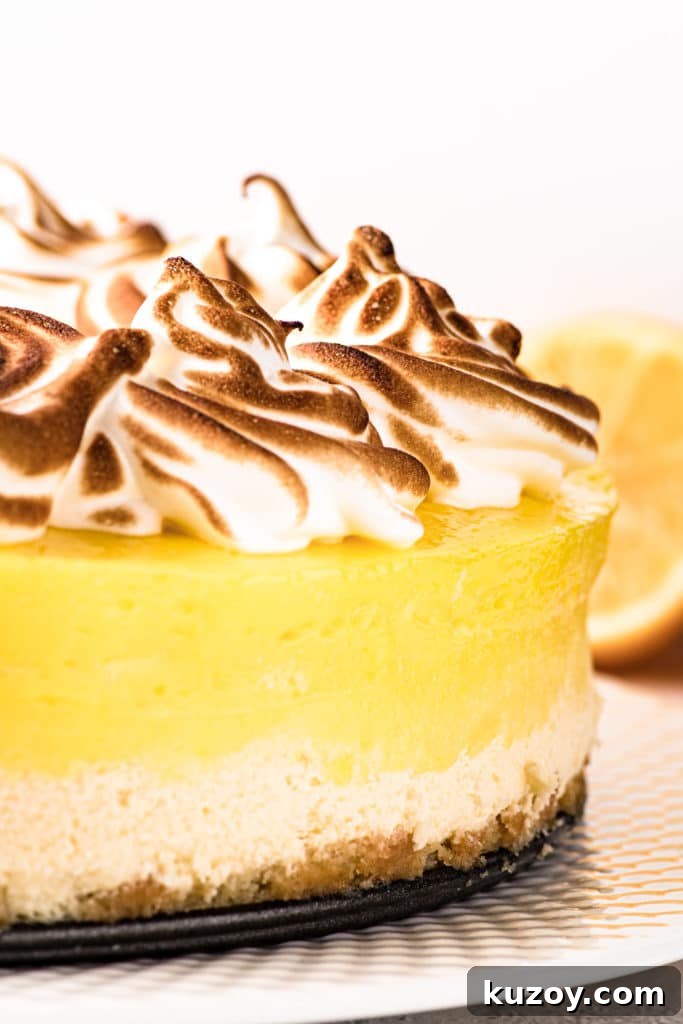
Keto Lemon Cheesecake With Lemon Curd Topping
If you enjoy lemon-flavored desserts, this cheesecake balances sweet and tart beautifully. I sweeten the crust, cheesecake filling, and lemon curd with a powdered blend of monk fruit and erythritol to tame the lemon’s tartness while keeping the dessert low-carb.
More Recipes To Try
Here are a few more desserts that work well with monk fruit sweeteners:
- Low Carb Lemon Pound Cake With Candy Lemons
- Gooey Cheesecake Brownies
- Gluten-Free Raspberry Coconut Bars
- Sugar Free Birthday Cake
Monk fruit is a flexible, zero-calorie option for anyone looking to reduce refined sugar. Try powdered blends for baking and experiment with liquid or granular forms for beverages, sauces, or toppings. With the right adjustments, you can enjoy familiar dessert textures and flavors without the extra carbs.