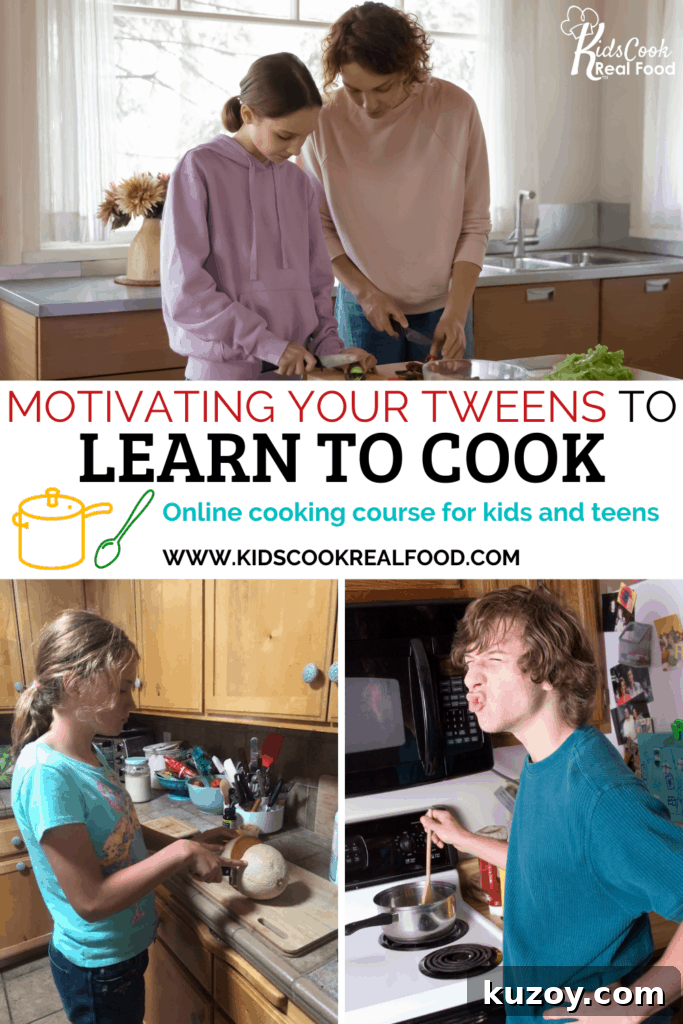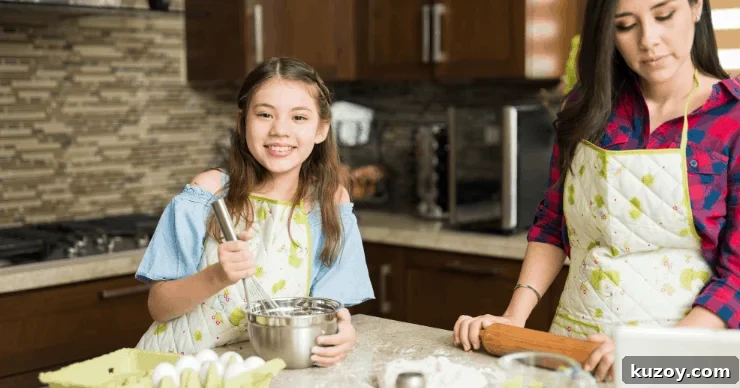
Our eCourse helped one mom pass on her love of cooking, teach life skills to her children, and find skill-based cooking classes for tweens. Read their story below.
Getting kids into the kitchen boosts confidence and creativity, but starting can be challenging.
Do your kids complain when you ask them to help? Make mistakes? Slow you down?
Meet Adria, a widowed mom in California who faced all those challenges. She used the Kids Cook Real Food™ eCourse to motivate her two daughters, build their kitchen confidence, expand their tastes, and even enable them to teach younger children.
How Do You Share a Love of Cooking With Your Kids?
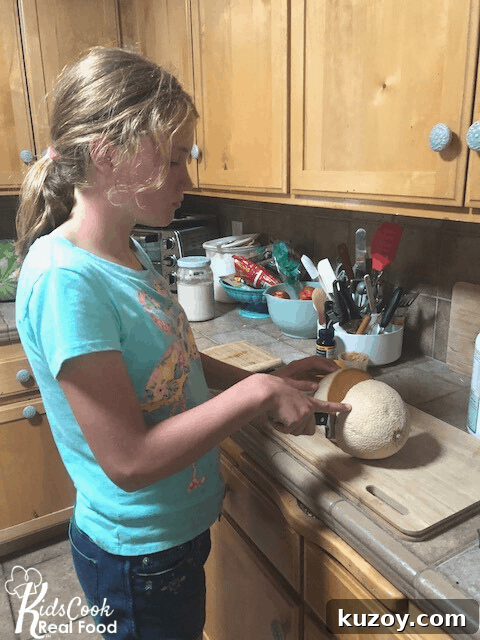
Adria learned to cook as a child because her mom’s rustic meals encouraged her to take charge of chopping and prepping. She still loves cooking and wanted to pass that passion on to her daughters, ages 10 and 12.
“My goal is to raise kids who succeed in the real world,” Adria said, but she ran into common roadblocks:
Whenever I asked my oldest to help with dinner, I was met with resistance and complaining. The 10-year-old likes the kitchen but has sensory processing issues after being GF/DF for six years. The girls don’t slow down to read the whole recipe, and they aren’t following safety instructions with knives, so I end up avoiding chances to invite them in.
Subscription Box Attempt: A Partial Win
Adria tried a popular subscription box that promised to get kids cooking. It encouraged them to try new foods and several recipes were hits, but the recipe cards didn’t include detailed how-to instruction. The girls needed help cutting, washing, and understanding cooking terms like “simmer.”
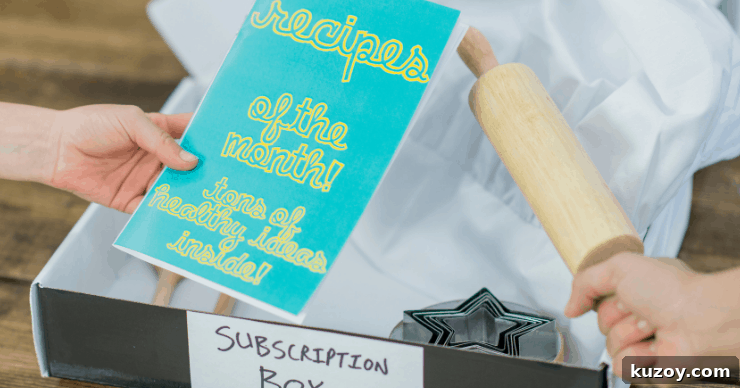
She still had to step in and explain technique while the kids rushed through steps and made mistakes. It wasn’t the independent learning she wanted.
The Solution: Skill-Based Cooking Classes for Tweens
While searching for alternatives, Adria found Kids Cook Real Food™ and decided it would pair well with the subscription box. After watching the introductory videos, she recognized that the course emphasized skill-building over just following recipes — exactly what her family needed.
Video Instruction and Memorable Language Work
The course’s engaging language and video format made a big difference. Even though Adria had taught many of the techniques before, the girls responded to the instructor’s cues in a way they hadn’t with Mom.
For example, the 12-year-old now chants “Hey, Hey Outta the Way” to keep her fingers clear while cutting. Whether it’s the instructor’s name or the playful phrase, the important thing is safety and habit formation.
Having someone other than Mom deliver instruction helped the girls take the lessons seriously. They watch, repeat, and apply the techniques, then adapt recipes to their tastes. The course is flexible so families can modify lessons to suit preferences and dietary needs.
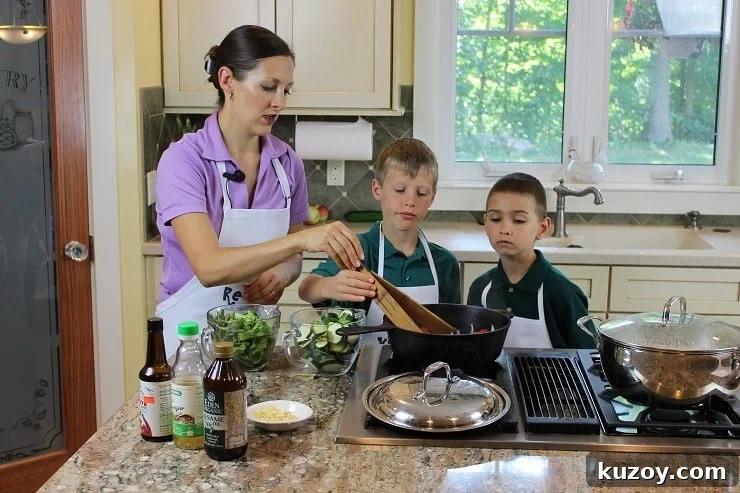
In Class 3 they made a stir fry tailored to what the kids would eat while still preparing other vegetables for their mom. They also enjoyed a hospitality video so much that setting the table became a new favorite chore.
Teaching Skills Creates Ownership, Not Complaining
Today, there’s far less grumbling when Adria asks for help. Both girls willingly use their tools and follow safe techniques. They take pride in saying things like, “Let me use my peeler,” while cooking together with upbeat music in the background.
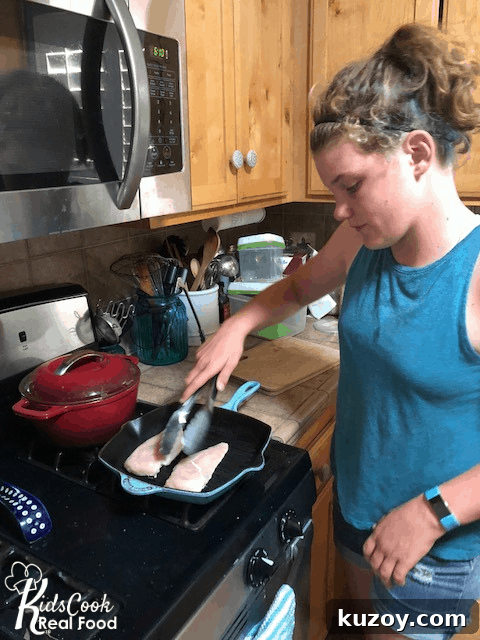
One evening, while Adria assembled a salad and the 10-year-old made a parfait for dessert, the 12-year-old handled the main course—making pasta, heating sauce, shaping meatballs, and steaming broccoli — all confidently and independently.
Building Confidence: Check
After completing the course, the girls enrolled in local in-person classes. The 10-year-old even taught younger kids how to cut bell peppers, demonstrating the confidence she gained. They now tackle more complicated recipes, like lasagna from the subscription box, on their own.
Adria also continued teaching authentic life skills: she takes the girls grocery shopping and has them practice tasks like talking to the butcher and choosing ingredients. Seeing items in the store reminds them of dishes they’ve made — dry beans for refried beans or pumpkin for pancakes — and reinforces their learning.
Is It Time for Your Family to Start?
Adria tells friends, “If you’re a parent who doesn’t really cook, how are you going to teach your child? You have to let them go a little and teach life skills intentionally.” Plenty of parents learn alongside their kids through video lessons. There’s no better time to begin building independence, practical life skills, and reducing kitchen complaining than now.
YES! TEACH MY KIDS TO COOK!
If your kids are 8 and up, consider independent lessons designed for older children so they can progress without an adult leading each step.
What’s Your Biggest Struggle Getting Tweens in the Kitchen?