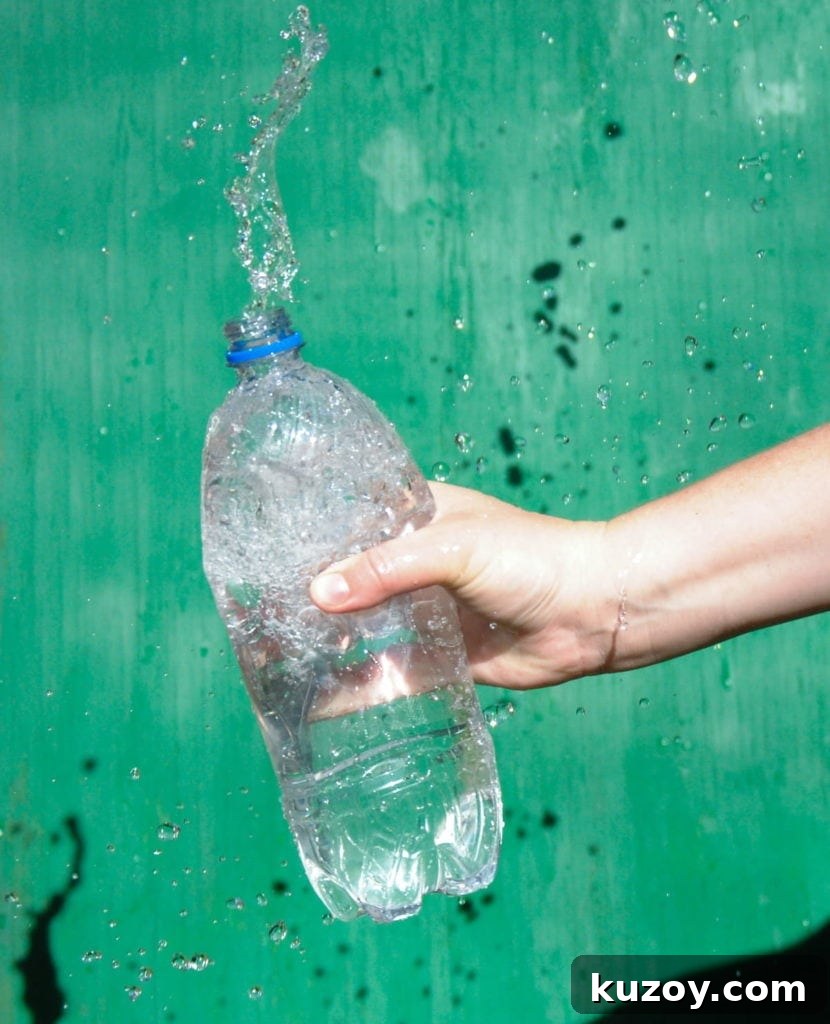
Plastic packaging is nearly impossible to avoid. Almost everything we buy at the supermarket is wrapped in it—from water bottles and cans to toilet paper. Because of its ubiquity, plastic has become the most common form of manmade debris in the world’s oceans.
Microplastics are a relatively new area of study, focusing on plastic particles smaller than 5 millimeters—about the size of a sesame seed. Though tiny, these particles raise serious concerns for ecosystems and human health. What are the sources of microplastics, how do they spread, and why should the food industry and consumers care? The following explains the current understanding.
Where Do Microplastics Come From?
Despite recycling efforts, only a small fraction of plastic is actually recycled. The rest is sent to landfills or released into the environment, where it fragments into smaller pieces over time. Plastic does not readily biodegrade; instead it breaks down into microplastics through sunlight, abrasion, and chemical processes—sometimes taking hundreds or thousands of years.
Most microplastics originate as larger items that fragment into tiny particles. These fragments can be transported by wind and rain, carried in agricultural runoff, and passed through wastewater systems into rivers and oceans.
Some microplastics are manufactured intentionally at small sizes. Personal care products such as certain toothpastes and facial scrubs historically used microbeads for exfoliation; those particles enter waterways directly through drains.
Given the variety of sources and the durability of plastic, reducing the flow of microplastics into the environment is a complex challenge that requires action across production, waste management, and consumer behavior.
Microplastics in Water
Microplastics are widespread in marine and freshwater systems. Marine organisms—from plankton to fish and shellfish—can ingest these particles, which can harm individual animals and disrupt food webs. Importantly for people, microplastics have been detected in commercial seafood and in drinking water supplies, meaning they have entered the human food chain.
Scientists are still researching the full health implications of ingesting microplastics. What is known is that microplastic particles can contain or absorb toxic chemicals. Some of these chemicals have been associated with health risks in animal and epidemiological studies, including reproductive issues, immune effects, and carcinogenic potential. Ongoing research seeks to better quantify exposure and long-term outcomes for humans.
Microplastics in Soil
Not all microplastics reach the ocean; many are retained in soil. Research indicates that microplastics in soil can alter soil properties such as pH, structure, and stability. These changes can affect water retention, nutrient cycles, and the organisms that live in soil—all factors that influence crop growth and yield.
Because agricultural soils provide the foundation for the food we grow, the accumulation of microplastics in farmland raises concerns about plant health, food productivity, and potential transfer of particles into crops.
Microplastics in the Atmosphere
Microplastics can also become airborne, transported by wind and atmospheric currents. When small enough, these particles are inhalable and are classified as particulate matter. Exposure to fine particulates is associated with respiratory symptoms—such as coughing, wheezing, and exacerbation of asthma—and may contribute to broader respiratory and cardiovascular risks.
The presence of microplastics in air means that humans can be exposed through inhalation in addition to ingestion, highlighting the pervasive nature of plastic pollution.
Plastic and Food
Much of the food supply is packaged in plastic. Whether shopping at a supermarket or ordering takeout, consumers frequently encounter single-use plastic packaging. Even loose produce is often placed in small plastic bags at checkout, and groceries are commonly separated into multiple plastic bags for transport.
Packaging accounts for a large share of plastic use, and a significant portion of that packaging is intended for single use. With a small percentage of plastic ultimately recycled, packaging-related waste contributes heavily to the generation of microplastics.
Reducing plastic packaging, improving recycling systems, and encouraging alternatives to single-use plastics are important steps toward limiting microplastic pollution. Individual choices in purchasing and waste disposal can also help, as can policy and industry changes that prioritize sustainable packaging and circular materials management.
Addressing microplastics requires coordinated efforts across science, industry, government, and consumers. Continued research will improve understanding of health and ecological impacts, while practical measures—such as reducing unnecessary packaging and improving waste management infrastructure—can help reduce the flow of plastics into the environment.