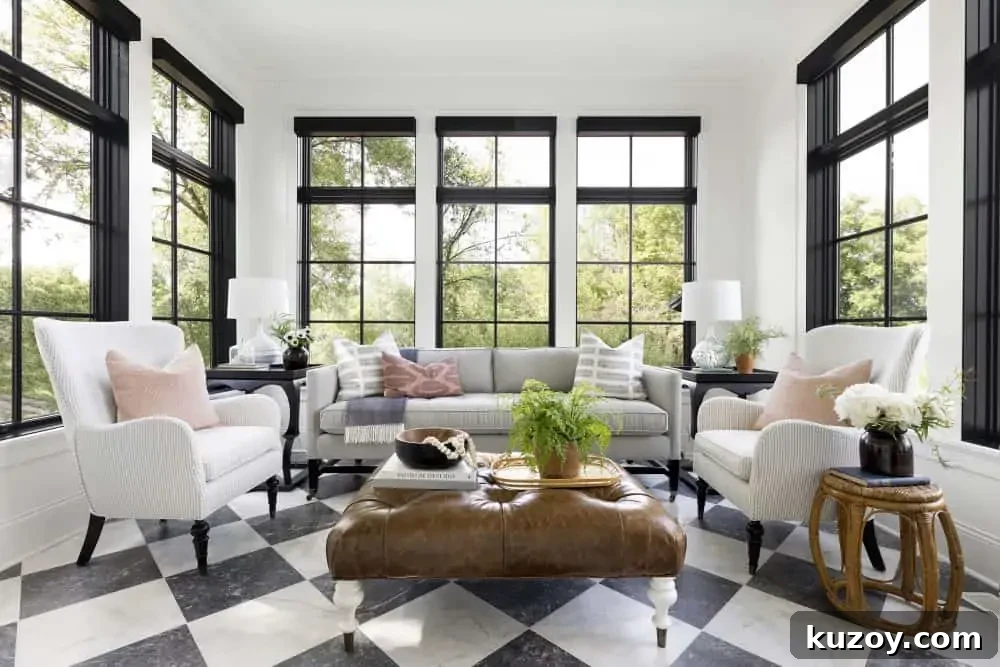
Do you love a checkered floor because it feels classic, or because it’s one of the design trends everyone is talking about right now?
The checkerboard flooring trend is everywhere on social media. After seeing it repeatedly on Instagram you might find yourself saying, “I’m obsessed!” — or defensively, “I wanted it before it was trendy!”
9 Types of Checkered Floors For Your Home
We installed a checkerboard marble floor in our scullery, so I did a lot of homework before committing to a high-maintenance stone. Below I break down nine types of flooring that work beautifully in a checkerboard layout, with sizing guidance and inspirational images.
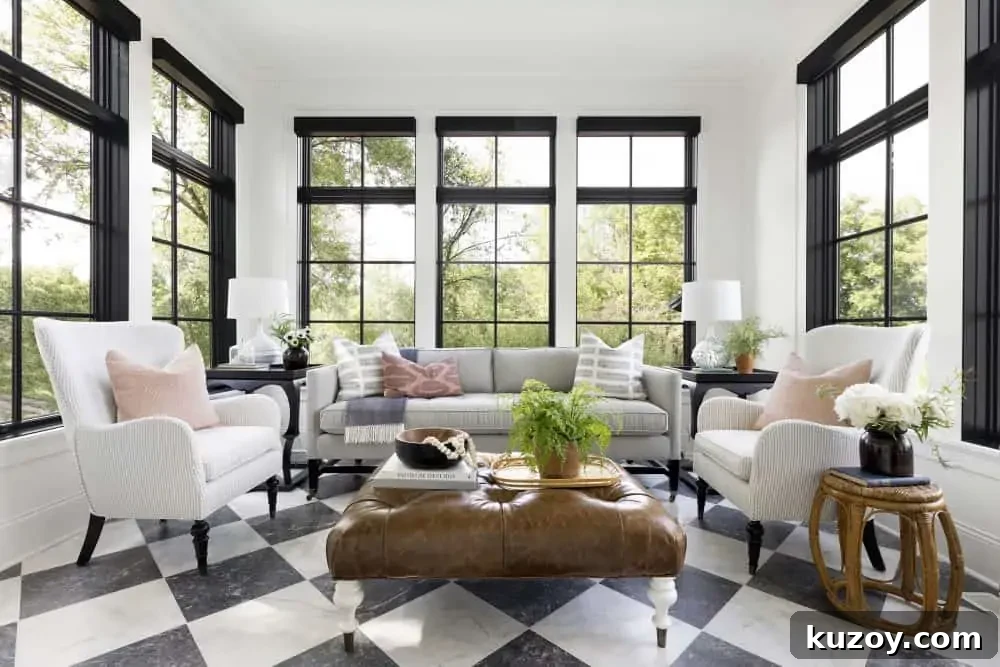
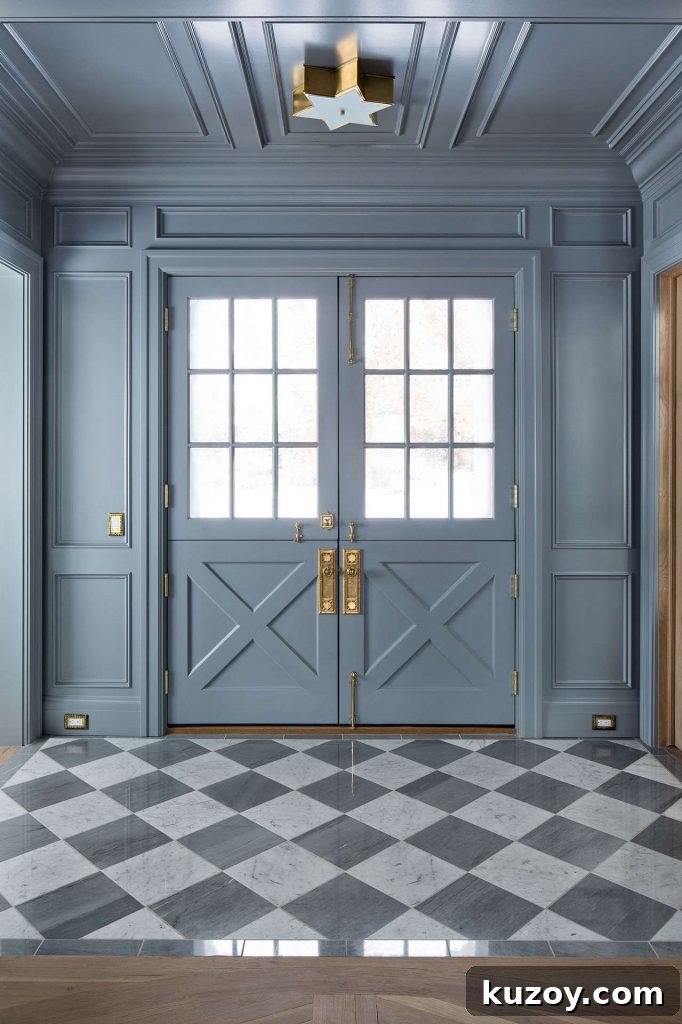
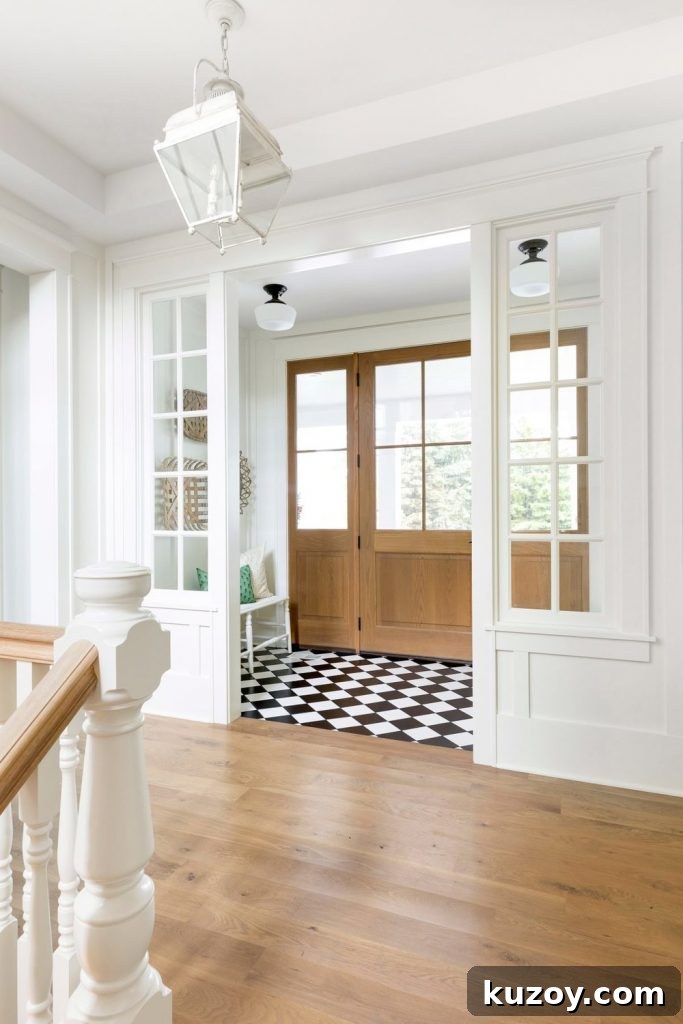
How To Pick Checkered Tile Size
Sizing Tip: If you can’t find the exact tile size you want, having rectangular tiles cut or trimming oversized tiles is an option. It increases installation cost but lets you customize the scale to the space.
Large / Open Spaces
In larger rooms — especially with high ceilings — choose medium or oversized tiles to keep the pattern from feeling too busy and to make a bolder statement.
Medium Sized Spaces
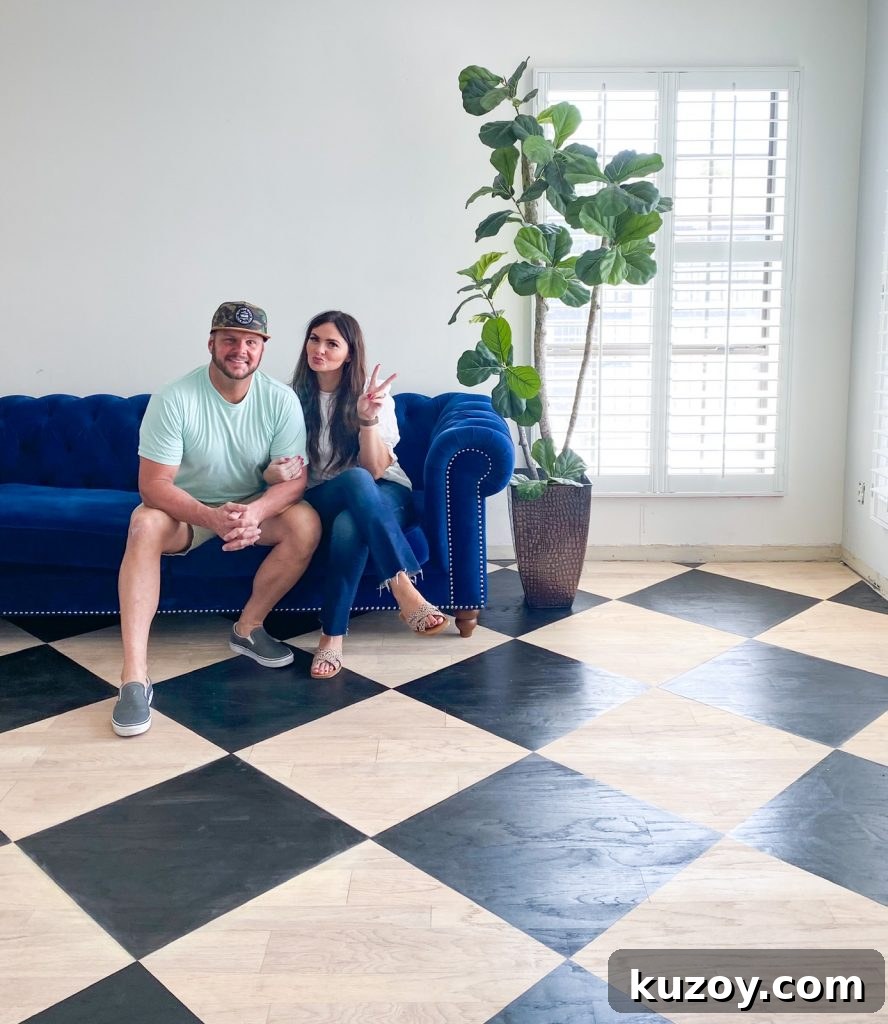
Consider how tile size influences the look in a medium room. Larger tiles create more impact and read less busy than many small tiles. The images below show how scale changes the feel.
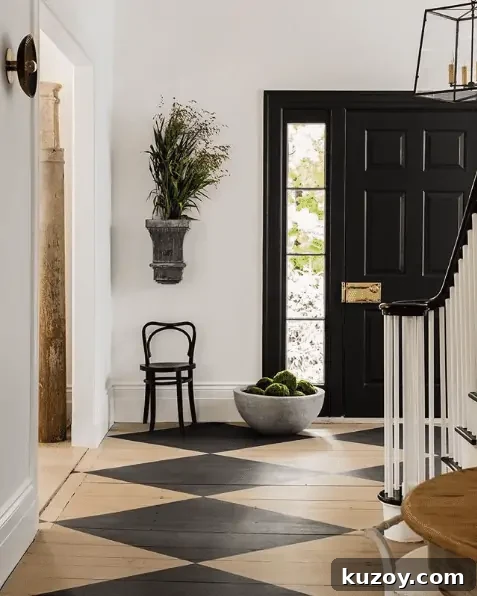
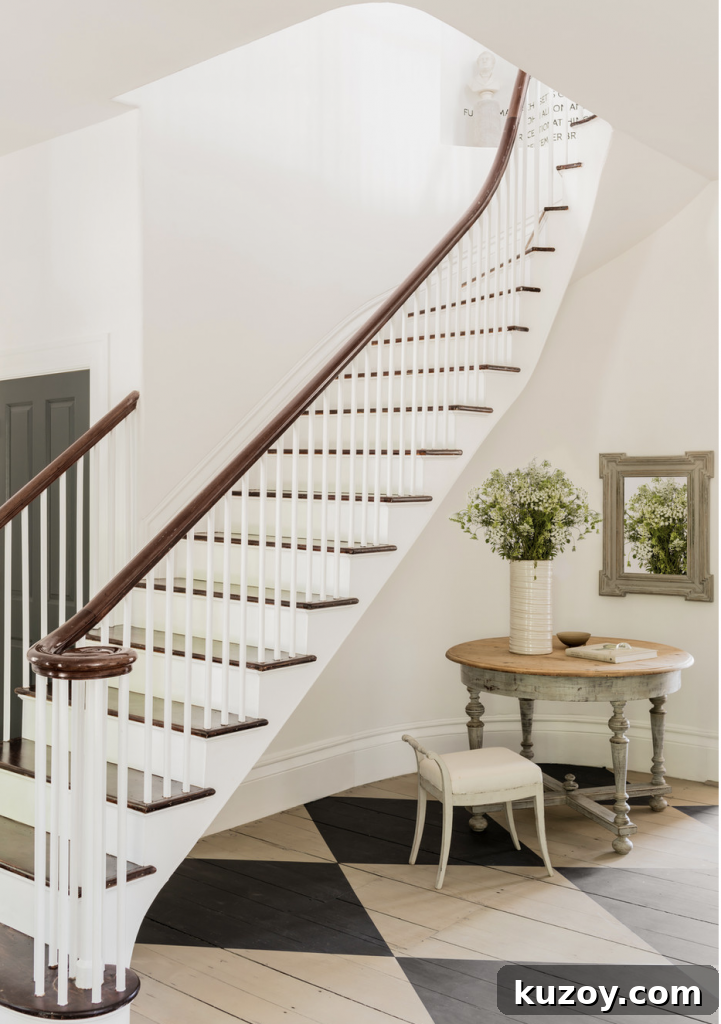
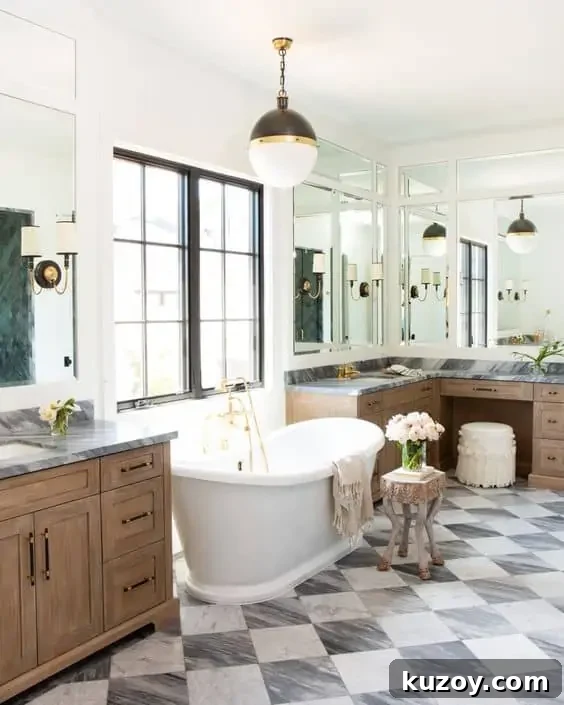
Smaller tiles display more of the pattern and can make a floor feel busier. Below is an example of a 12×12 tile to illustrate scale.
Small Rooms
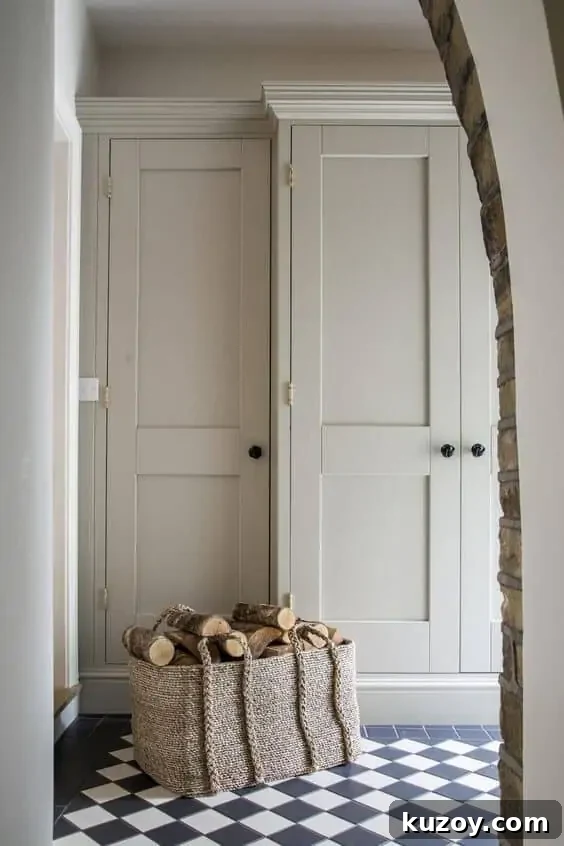
In compact rooms choose medium or smaller tiles so the pattern remains visible without overwhelming the space. Very large tiles in a small room may disappear and reduce the intended effect.
Here are two small spaces using small and medium tiles to show different looks:
9 Types of Checkered Floors
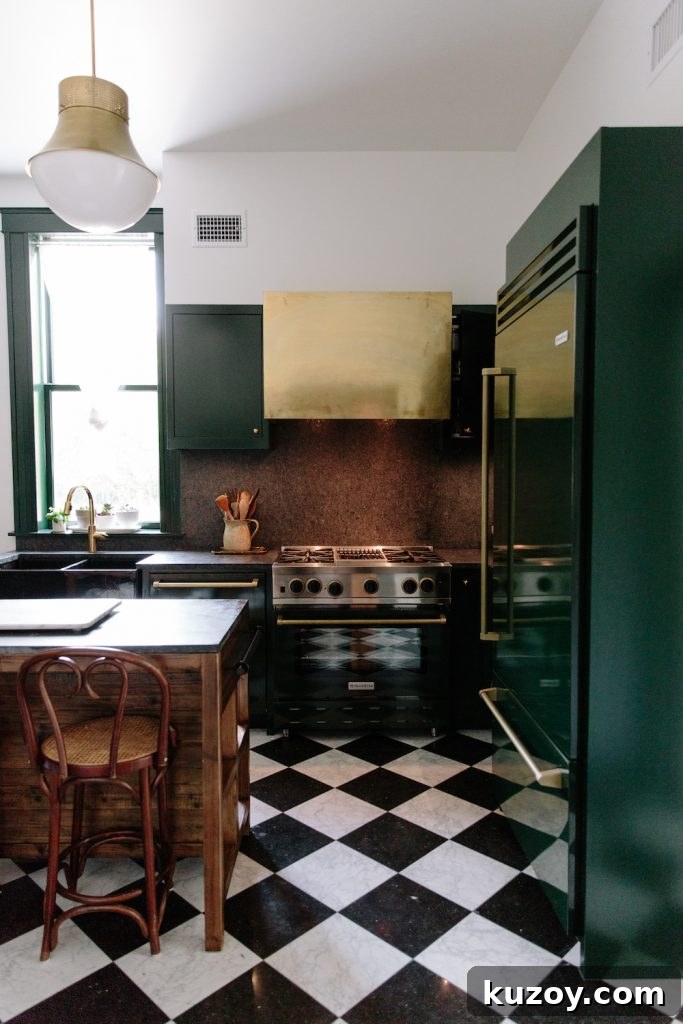
Checkerboard floors can be created with many materials and budgets — from luxe marble to budget-friendly linoleum. This is not just a retro diner look; think Victorian halls or Renaissance palaces. Consider these nine options:
- Marble
- Granite (suitable for exteriors)
- Limestone
- Porcelain
- Ceramic
- Painted cement (great for outdoor areas)
- Linoleum
- Wood with contrasting paint
- Wood with contrasting stains
1. Checkered Marble Floor
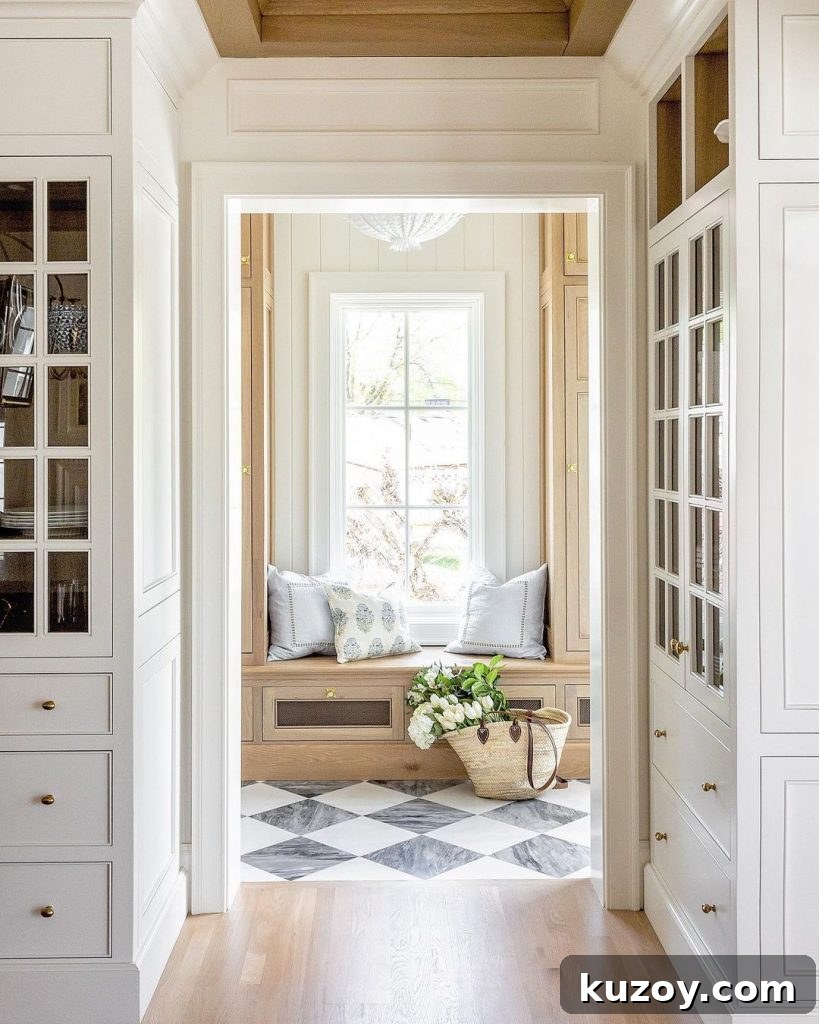
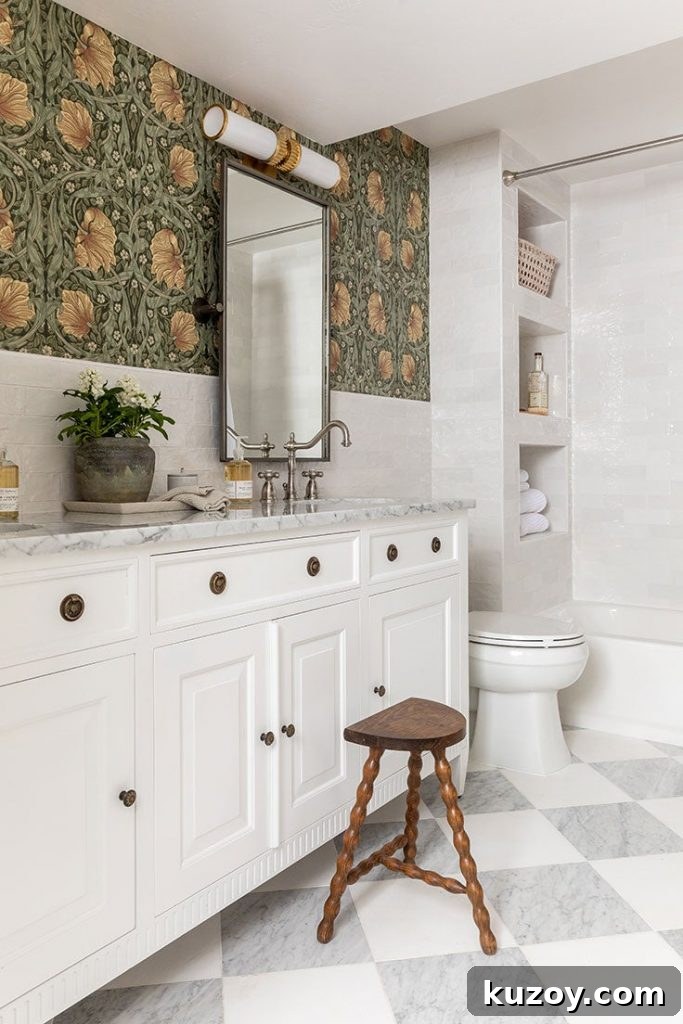
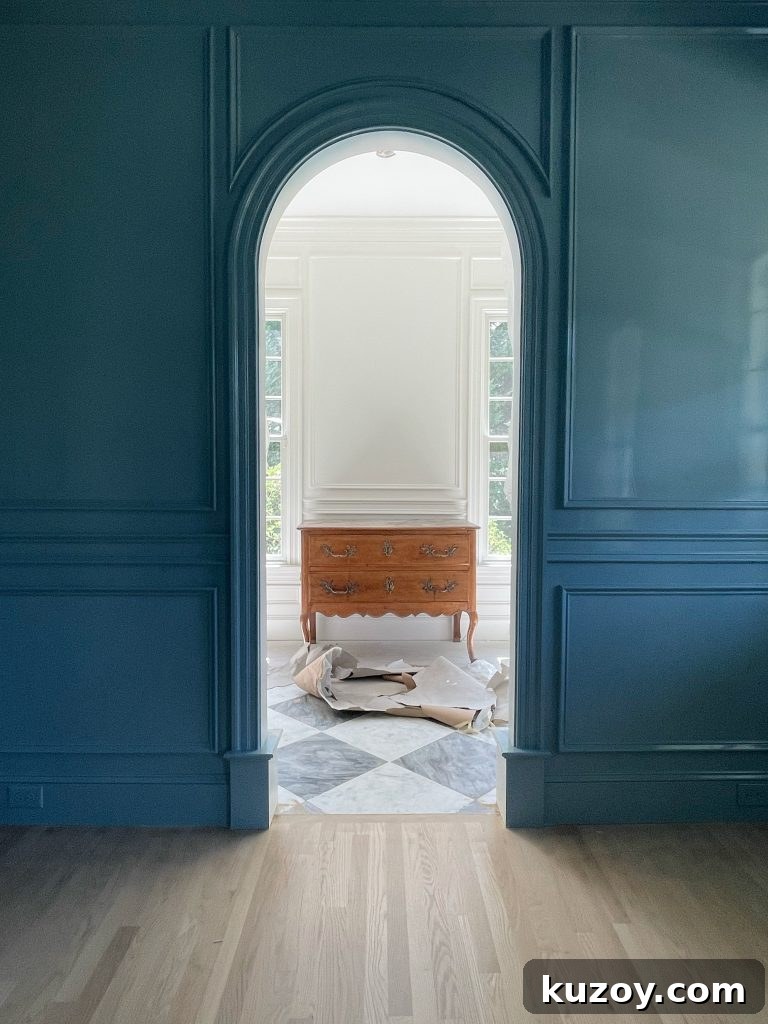
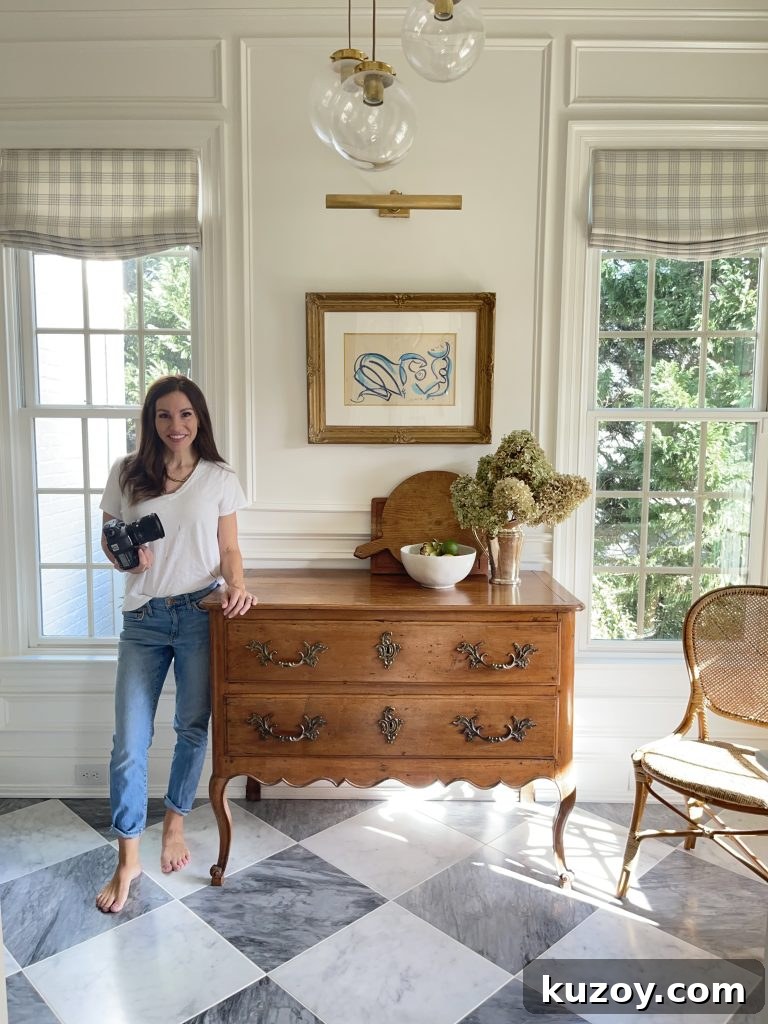
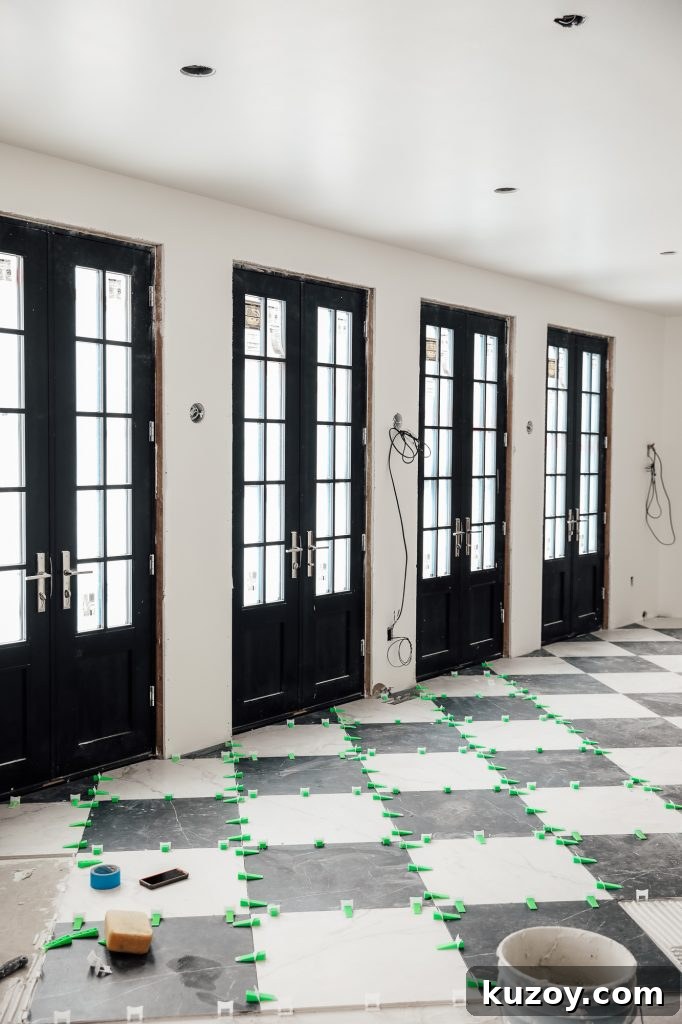
Marble feels luxurious and timeless. A marble checkerboard is being refreshed by contemporary designers and can range from classic Carrara pairings to pure Thassos whites. Remember marble scratches and stains more easily, so it’s best for homeowners willing to provide regular care.
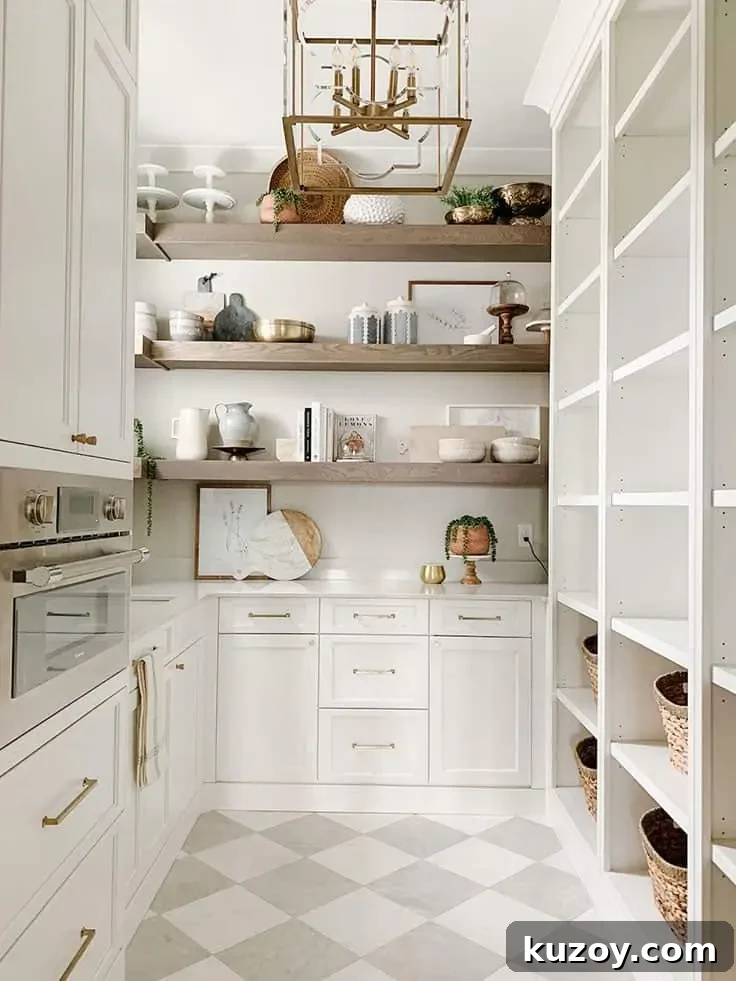
We recently installed 18″ x 18″ marble tiles in our scullery. Marble makes a beautiful statement when maintained properly.
2. Granite Checkered Floor
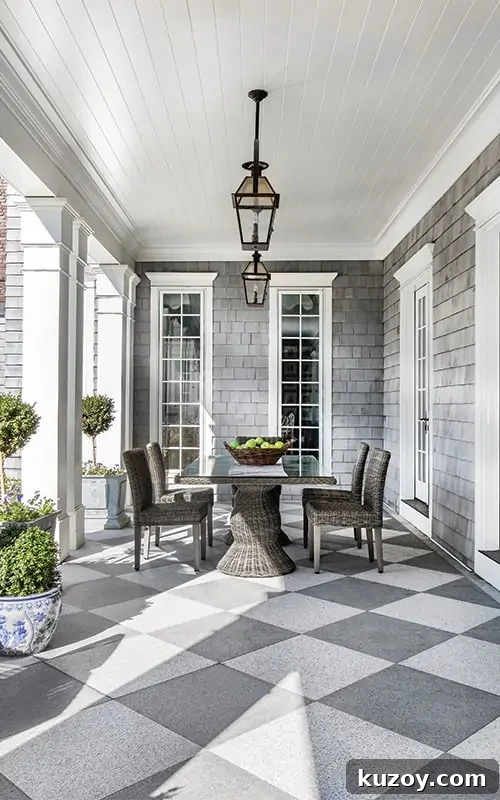
Granite is highly durable, low-maintenance, and suitable for outdoor use. It’s a practical choice for high-traffic areas and exterior porches.
3. Checkered Limestone Tile
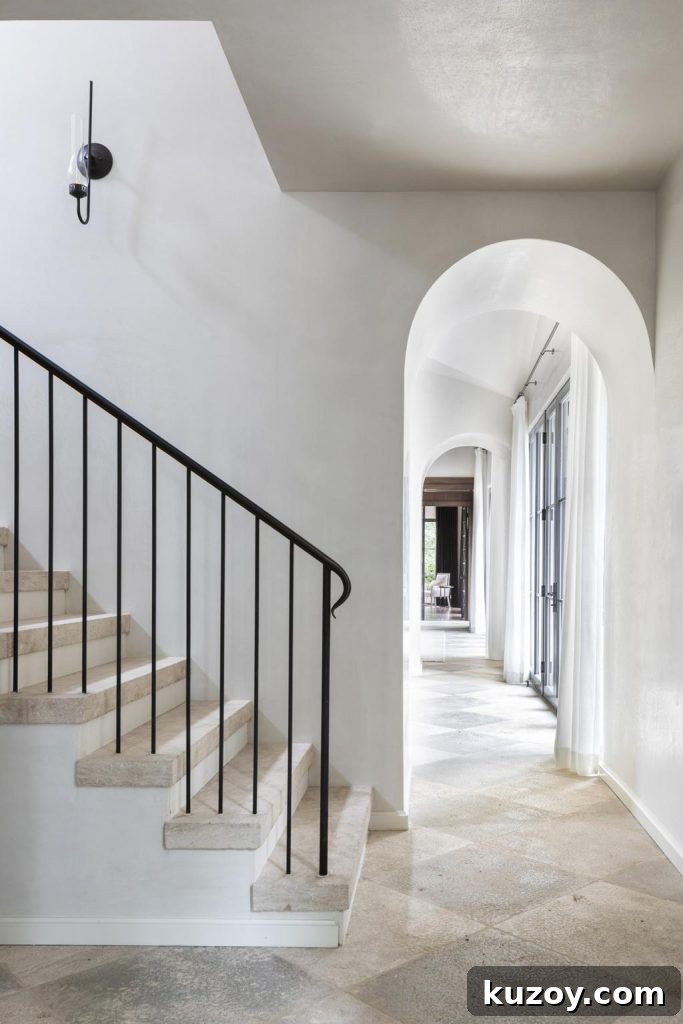
Limestone offers a warm, old-world patina and is more affordable than some natural stones. It’s porous and can scratch, so plan for periodic maintenance if you choose it.
4. Porcelain Checkerboard Floors
Porcelain is man-made, durable, and low-maintenance. Glazed porcelain provides extra protection. For a marble look, choose marble-look porcelain, match grout to the tile, and use the thinnest grout lines possible for a seamless appearance.
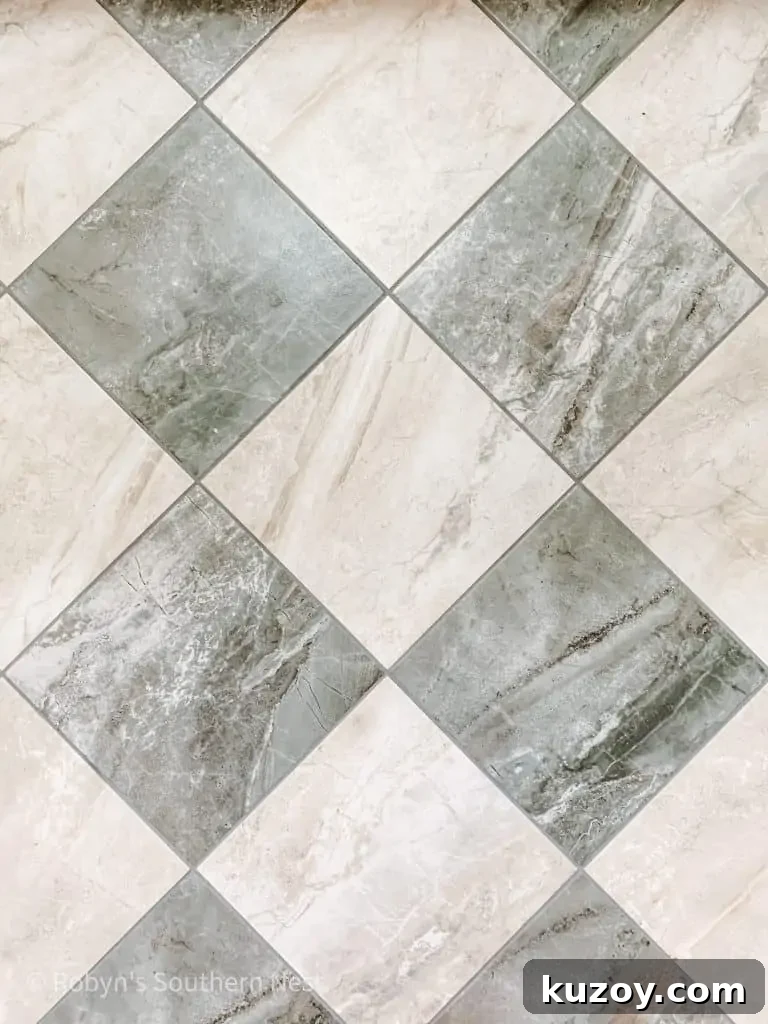
5. Ceramic Tile Floors
Ceramic is an affordable, durable option suitable for heavy foot traffic. It looks especially appropriate in mudrooms, kitchens, and pantries when arranged in a checkerboard pattern.
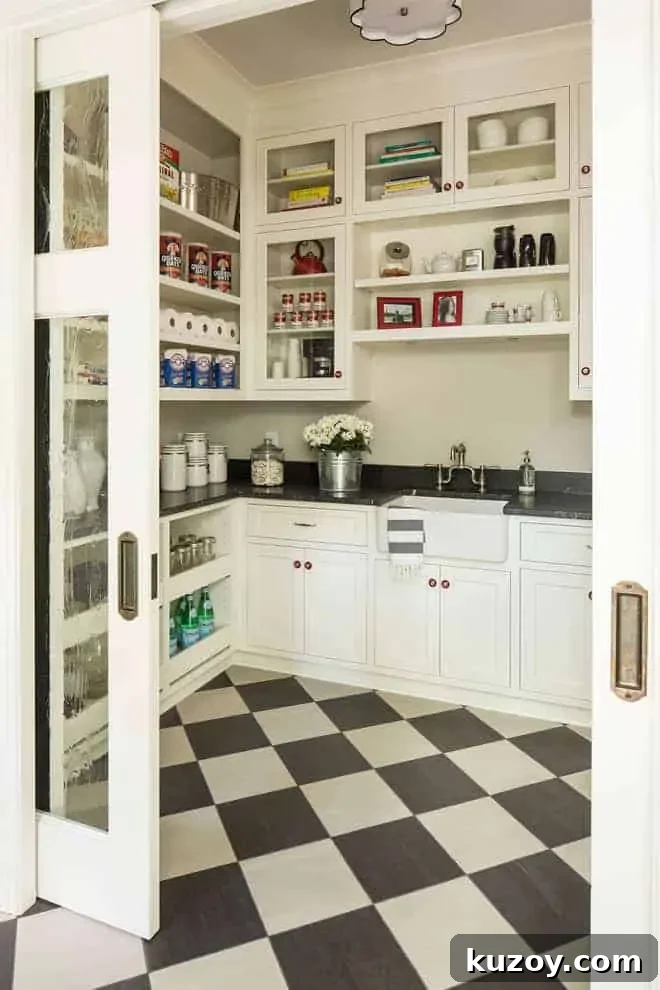
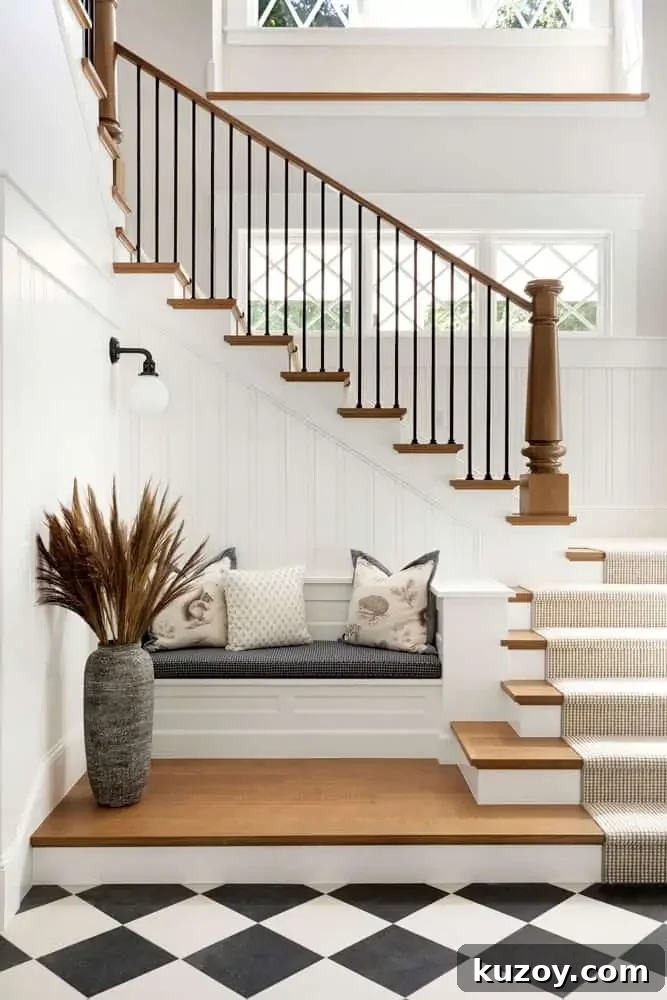
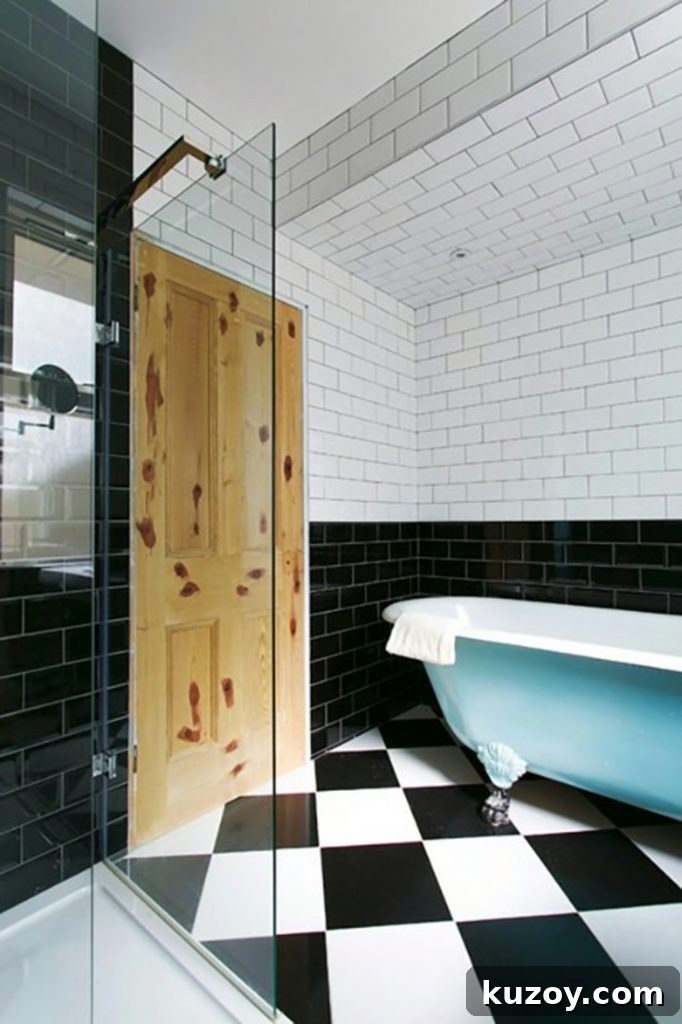
6. Painted Cement
For DIYers, painting a cement floor is an affordable way to get the checkered look outdoors or in a casual space. Proper prep and a durable exterior paint system will extend the life of the finish.
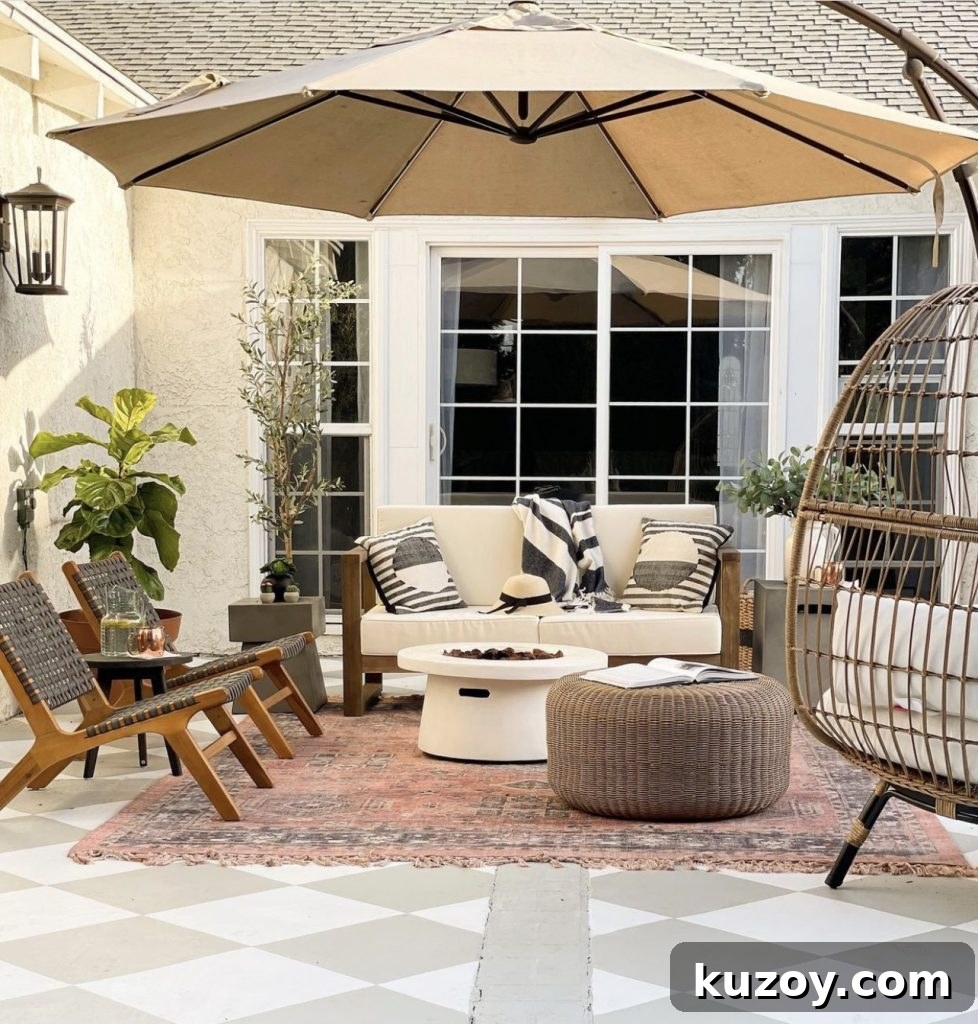
7. Checkered Linoleum Flooring
Linoleum is eco-friendly, durable, and cost-effective. While it may not add the same resale value as stone or hardwood, it can be a stylish and practical choice in the right spot.
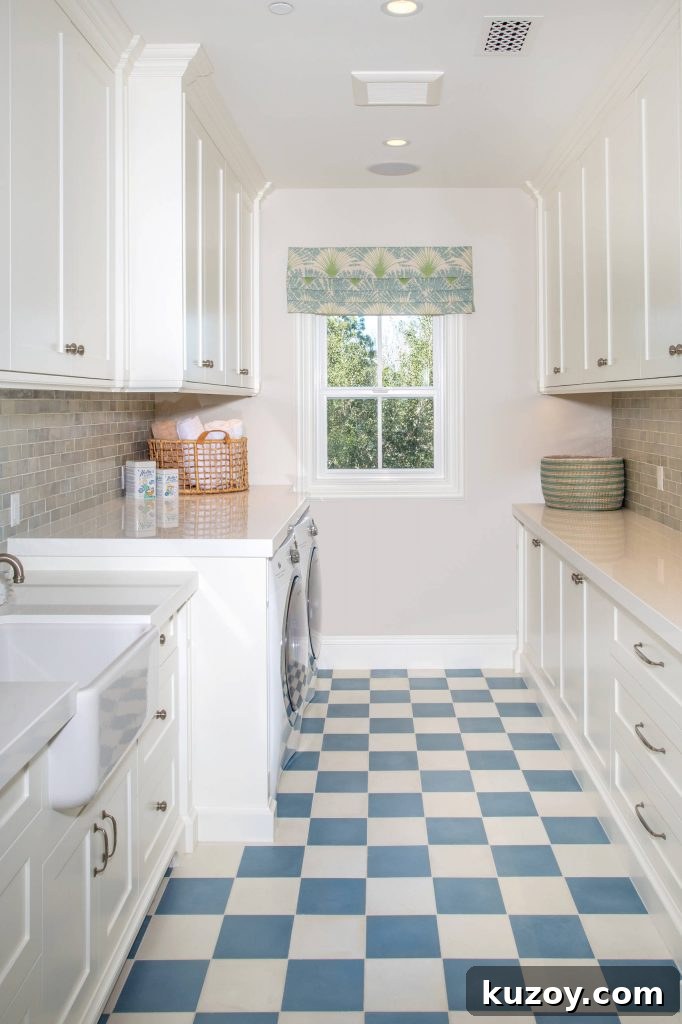
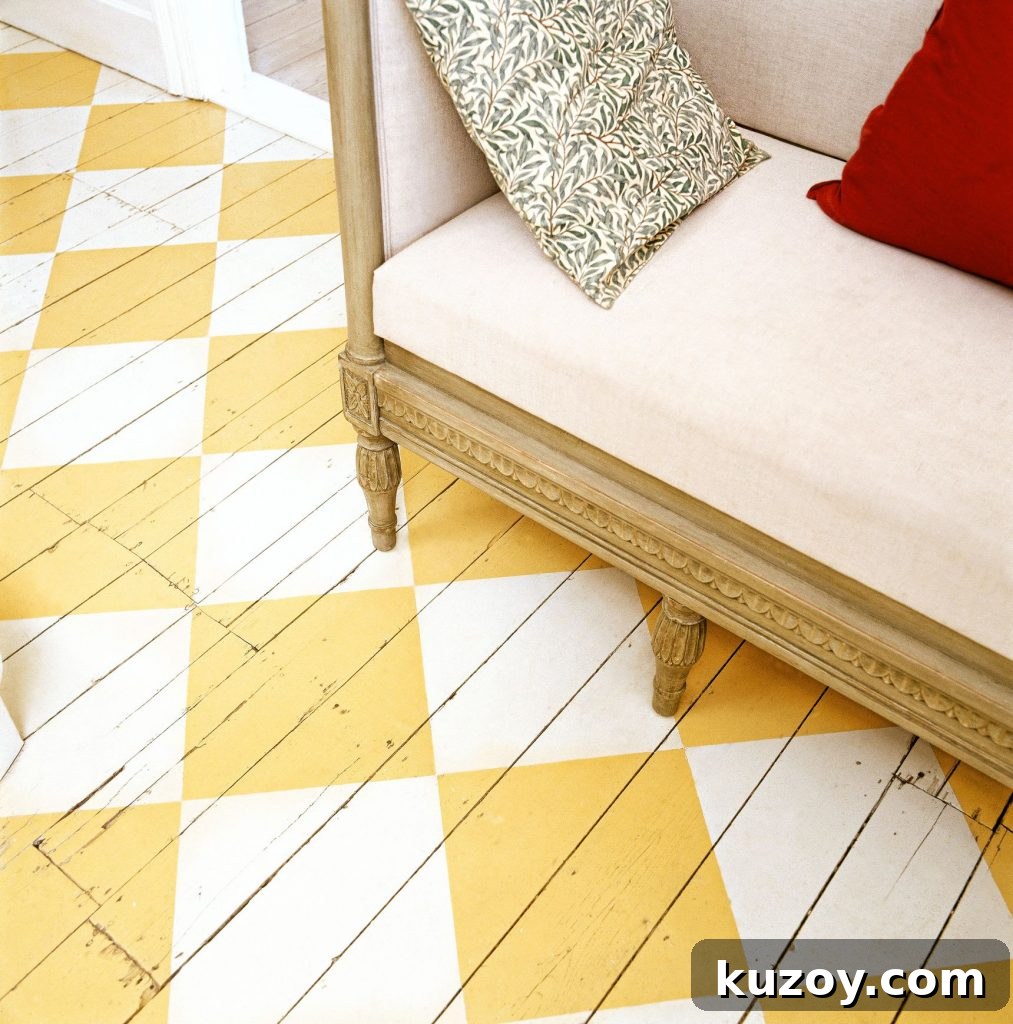
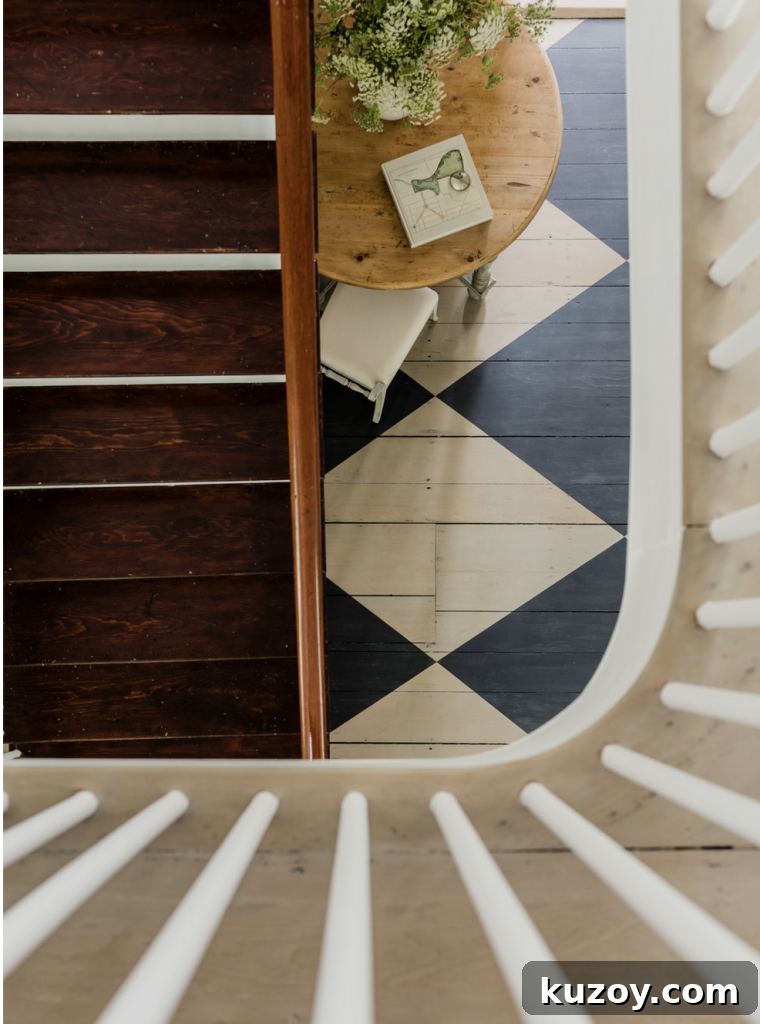
8. Checkered Painted Wood Floor
Painting a wood floor in a checkerboard is an achievable DIY project that can conceal imperfections and introduce color. Painted floors do require touch-ups over time in high-traffic areas, but they’re a relatively inexpensive way to transform a room.
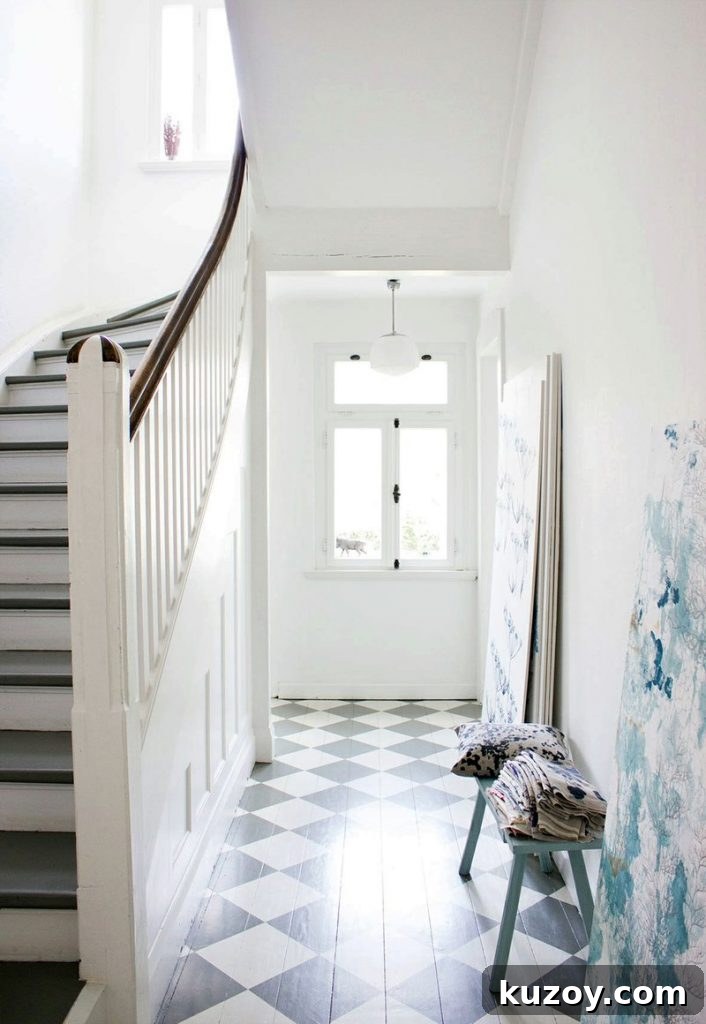
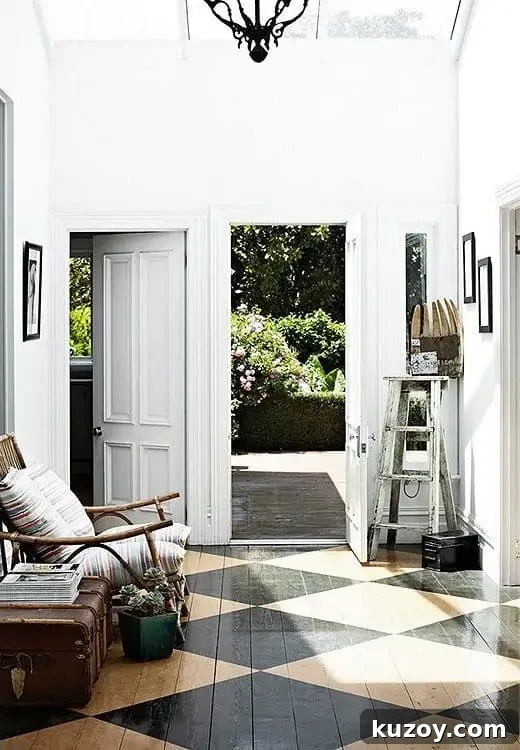
9. Checkered Stained Wood Floor
If you prefer the natural grain and texture of wood, staining alternating squares creates a checkerboard that still reveals knots and texture. Staining requires more prep — sanding and refinishing can be messy — but stained floors withstand heavy traffic better than painted floors.
Checkered Floor Obsession
A checkered floor today feels both timeless and modern. Whether you love it for tradition or trendiness, the checkerboard pattern is an enduring design element that can be adapted to many styles and budgets.
Will it date a house in ten years? Trends shift, but checkerboard floors have been used for centuries and tend to cycle between prominence and subtlety. For many homeowners, that long history makes the choice feel safe and stylish.
If it’s good enough for historic palaces, it’s likely a solid pick for your home too.
You Will Also Love:
What’s In Our Scullery?

A Guide To Herringbone Floors + What We Used!

9 Kitchen Trends of 2022

Our Kitchen Reno Plans

26 Kitchen Stools You Will Love

Our Previous Coastal Kitchen

I would love to have you follow along:
Insta | Facebook | Pinterest
Join the Blues, Rattan + Decor Facebook Group — a community of over 26k home and interior lovers sharing ideas and Q&A about home design.