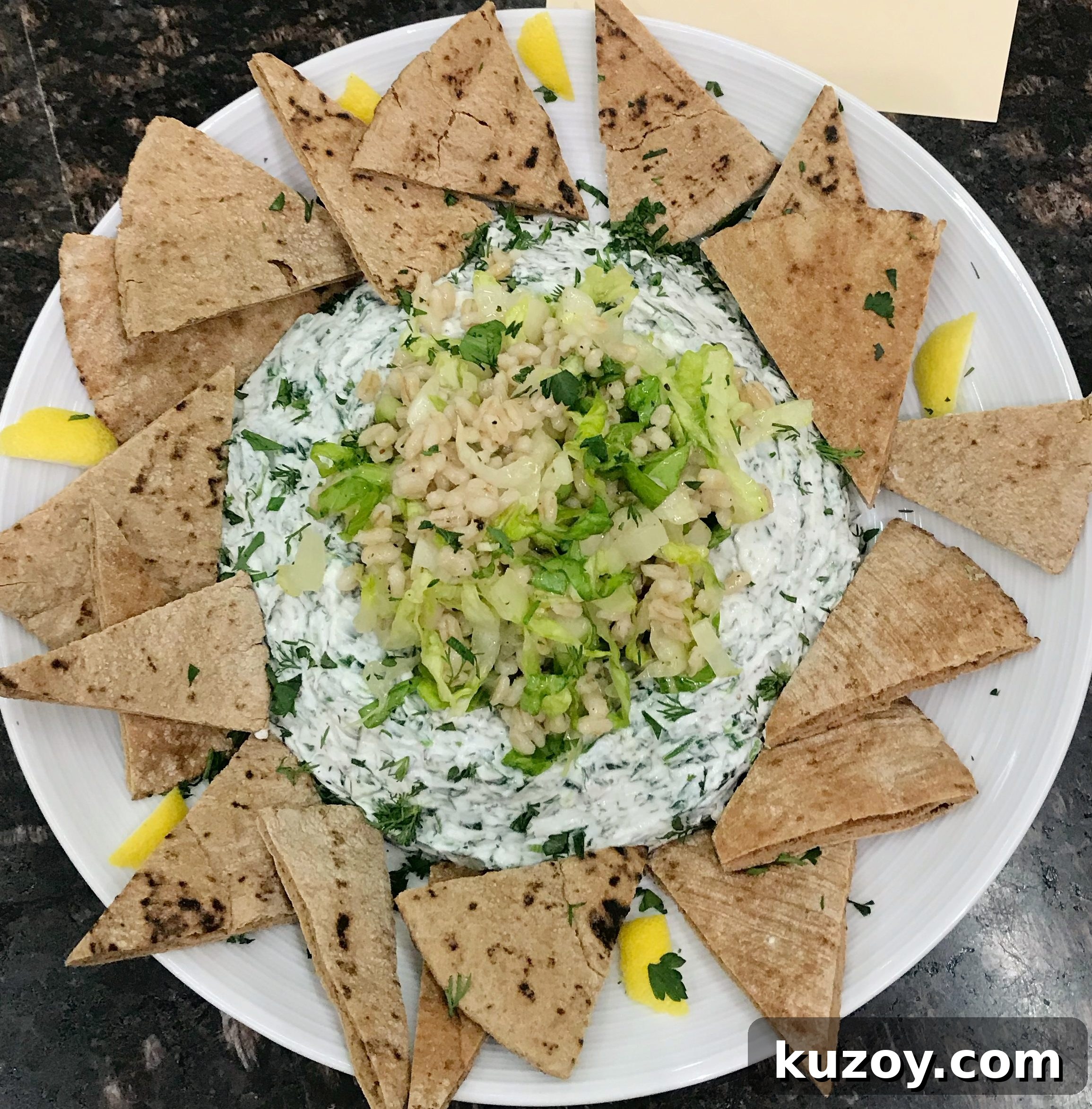
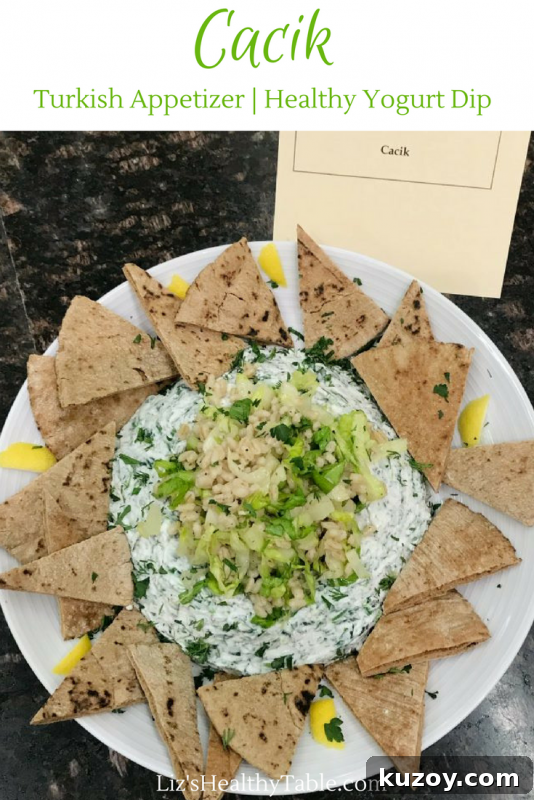
Vegetables go from “okay” to irresistible with this Cacik recipe, a Turkish yogurt dip made from plain Greek yogurt, lemon juice, garlic, spinach, cucumber, dill, and mint. It’s served with a bulgur or barley and romaine salad topper and whole wheat pita triangles for dipping — a bright, healthy way to encourage kids and adults to eat more vegetables.
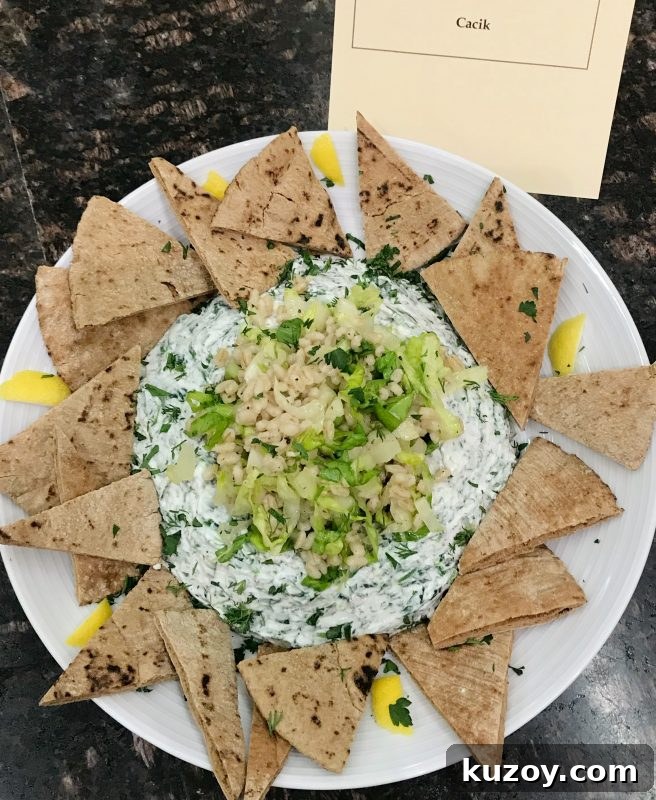
Source: Ana Sortun, as presented at the 2018 Healthy Kitchens, Healthy Lives® conference. Published with permission from the author. All rights reserved
Healthy Kitchens, Healthy Lives is a collaboration between the Harvard T.H. Chan School of Public Health and chefs from The Culinary Institute of America. The three-day conference at the CIA’s Greystone campus brings together doctors, nurses, dietitians, and other health professionals to learn about current research on diet and health, observe culinary demonstrations, and attend hands-on cooking classes. Attendees return to their communities equipped to establish teaching kitchens that model, coach, and teach people how to purchase, prepare, and enjoy nourishing foods. Since 2007, teaching kitchens have appeared in hospitals, K-12 schools, and workplaces to help improve lifestyles and reduce diet-related illness.

The conference shares practical messages backed by research. Highlights from presentations included the rise in adult diabetes since 1980, the impact of home cooking on reduced diabetes and obesity risk, and how time spent cooking correlates with lower obesity rates in countries where people cook more. Demonstrations often focus on whole grains, herbs, and vegetables prepared to maximize flavor and appeal. One memorable demonstration showed a whole grain couscous studded with nuts, herbs, and dried fruit, finished with lemon and extra virgin olive oil.
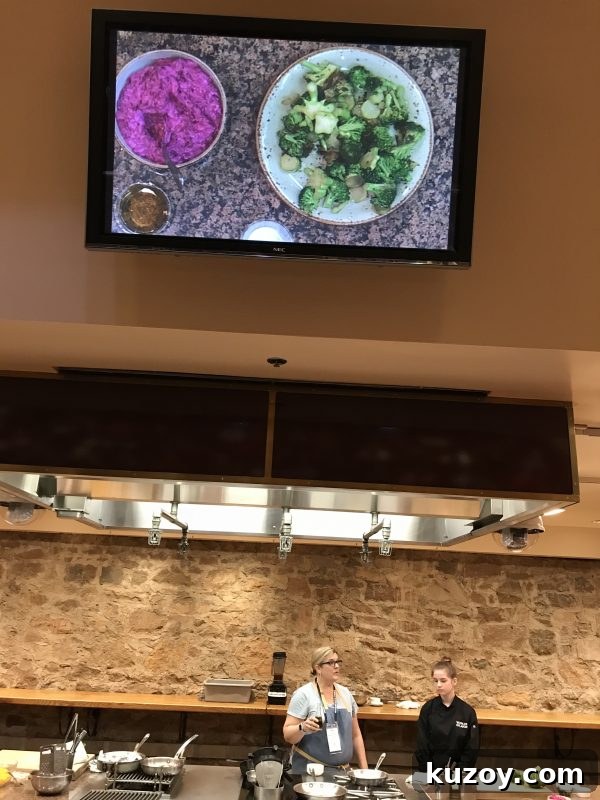
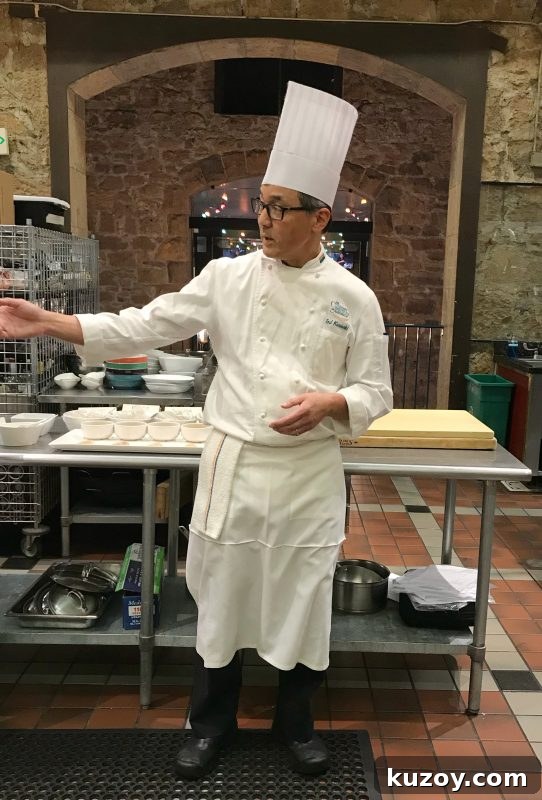
I attended the conference as media and had the chance to sit in on lectures and watch chefs like Julia Nordgren, MD, and Ana Sortun prepare vegetables in imaginative ways that appeal to children and adults alike. I also joined a whole grains hands-on session led by Chef Tod Kawachi from the CIA, where our group prepared grain-forward salads and this Cacik topped with a barley salad.
“In the pursuit of deliciousness, whole grains can really shine.” – Kristen Rasmussen de Vasquez, MS, RD (CIA)
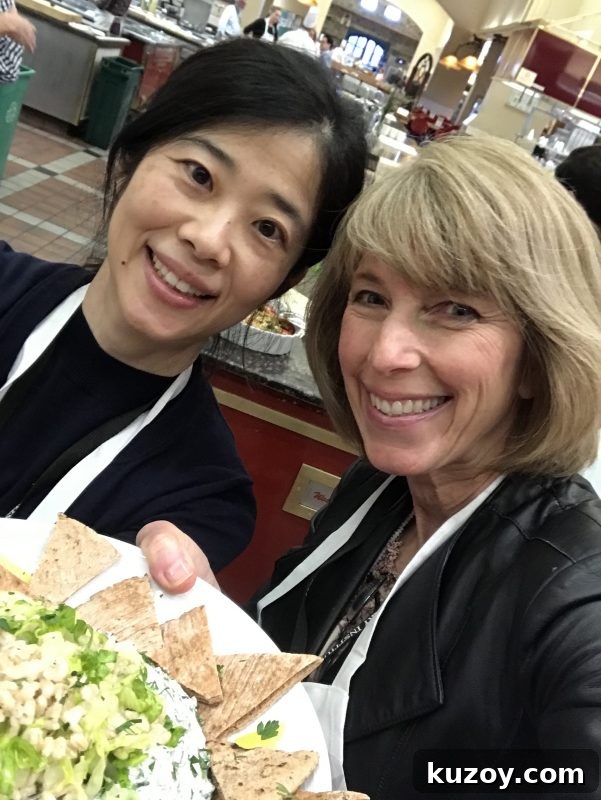
Cooking selfie!
- 12 ounces spinach, stemmed
- 1 teaspoon finely chopped garlic
- 1 tablespoon lemon juice
- 2 cups plain, whole milk Greek yogurt
- Salt and pepper to taste
- 1/4 cup finely chopped green onions
- 1 Persian cucumber, seeded and diced (or 1/3 of an English cucumber)
- 1 1/2 teaspoons dried mint or spearmint
- 1 tablespoon chopped fresh mint or spearmint
- 1 tablespoon chopped fresh dill
- 1/4 cup extra virgin olive oil, divided
- 4 romaine lettuce leaves, cut into thin ribbons
- 1/3 cup pearled barley or bulgur, cooked
- 1 teaspoon red chili flakes or Maras peppers, to taste
- Whole wheat pita bread, cut into triangles for serving
- Bring a pot of water to a boil over high heat. Add 1 tablespoon salt and the spinach; cook until softened, about 2 minutes. Drain and rinse under cold water until cool enough to handle.
- Squeeze out excess water by gathering small handfuls and pressing firmly between your palms. You should end up with about 1/3 to 1/2 cup. Finely chop the spinach.
- In a small bowl, stir the garlic with the lemon juice and a pinch of salt. Let sit about 5 minutes to lightly pickle the garlic.
- Stir in the yogurt, season with 1 1/4 teaspoons salt and pepper to taste.
- Fold in the chopped spinach, green onions, cucumber, dried mint, fresh mint, dill, and 2 tablespoons of olive oil until evenly combined.
- Toss the romaine ribbons with the cooked barley, 1 tablespoon olive oil, and salt to taste.
- Spoon the cacik into a serving bowl and use the back of a spoon to make a shallow well in the center. Drizzle the remaining 1 tablespoon olive oil into the well and sprinkle with red chili flakes. Top with the romaine and grain salad. Serve chilled or at room temperature with pita triangles. Store covered in the refrigerator up to 3 days.
Plant-forward diets, especially those inspired by Mediterranean traditions, were a recurring theme at the conference, along with discussions about affordability, access, and sustainability. Practical tips — like engaging kids in the grocery store with interesting produce — help make healthy eating more realistic for families.

One memorable tip from Julia Nordgren, MD: “When you’re grocery shopping, don’t give your kids your cell phone as a distraction. Hand them an artichoke instead.”

Imagine a future where cooking lessons are prescribed alongside medical advice and everyone has access to the skills needed to prepare healthy, delicious meals. Programs like Healthy Kitchens, Healthy Lives are helping make that future closer and more achievable for communities everywhere.