My fail‑safe Lard Pie Crust combines rendered lard and butter for a shatteringly flaky, tender, and richly flavored crust that works beautifully for both sweet and savory pies.
Once I discovered leaf lard, I stopped settling for ordinary crusts. A mix of rendered pork lard and high‑fat butter gives you the ideal combination: exceptional flakiness from the lard and deep, buttery flavor from the butter. The result is a versatile crust that enhances savory pies like quiche and pot pie as well as fruit and custard pies.
When I refer to “lard,” I mean high‑quality rendered leaf lard, not the heavily processed, hydrogenated products sometimes sold in supermarkets. Good rendered leaf lard is available from butchers, farmers markets, specialty stores, and online. Using a clean, neutral leaf lard yields flaky layers without an overt porky taste.
“Excellent! Just like my Nan’s pie crust (who was a culinary professional for many years.) The perfect balance between butter and lard, great flavor and rolls out beautifully. Thank you.”
Lynne
Table of Contents
- Why This Recipe is The Best
- Ingredients for Lard Pie Crust
- How to Make Lard Pie Crust
- My Pro-Tips for a Perfect Crust
- How to Blind Bake Lard Pie Crust
- What to Make
- FAQ
- Storage Tips
- Lard Pie Crust Recipe
Why This Recipe is The Best
- For Flakiness: Lard creates crisp, flaky layers because it has a higher melting point than butter, which helps the pastry stay structured while baking.
- For Flavor & Tenderness: Butter contributes richness and tenderness. Using both fats gives you a crust that is flaky, tender, and full of flavor.
- The “Leaf Lard” Secret: Leaf lard is the highest grade of lard. It has a neutral flavor with minimal porkiness, making it ideal for delicate baking like pie crusts.
Ingredients for Lard Pie Crust
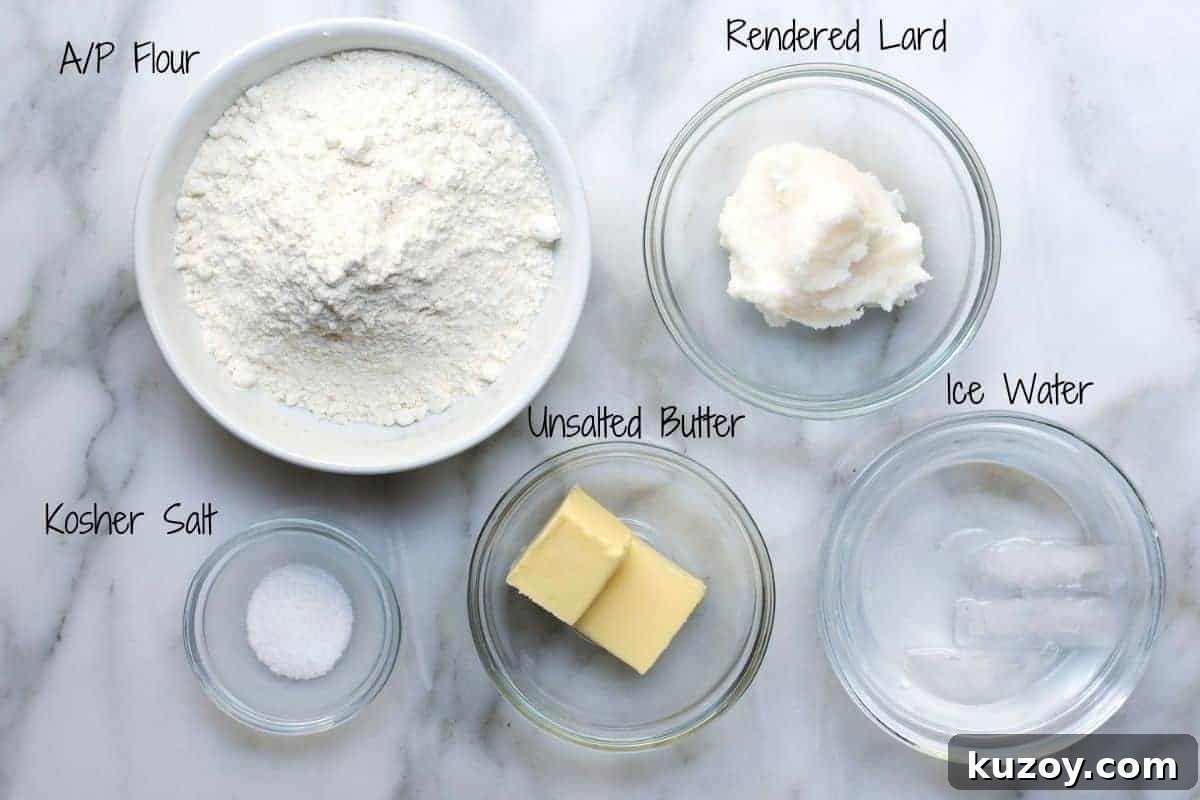
- All‑purpose flour
- Kosher salt (or half the amount if using fine sea salt)
- Lard: rendered leaf lard or rendered pork lard, chilled
- Butter: unsalted, high‑fat (European style preferred), chilled and cubed
- Ice water
How to Make Lard Pie Crust
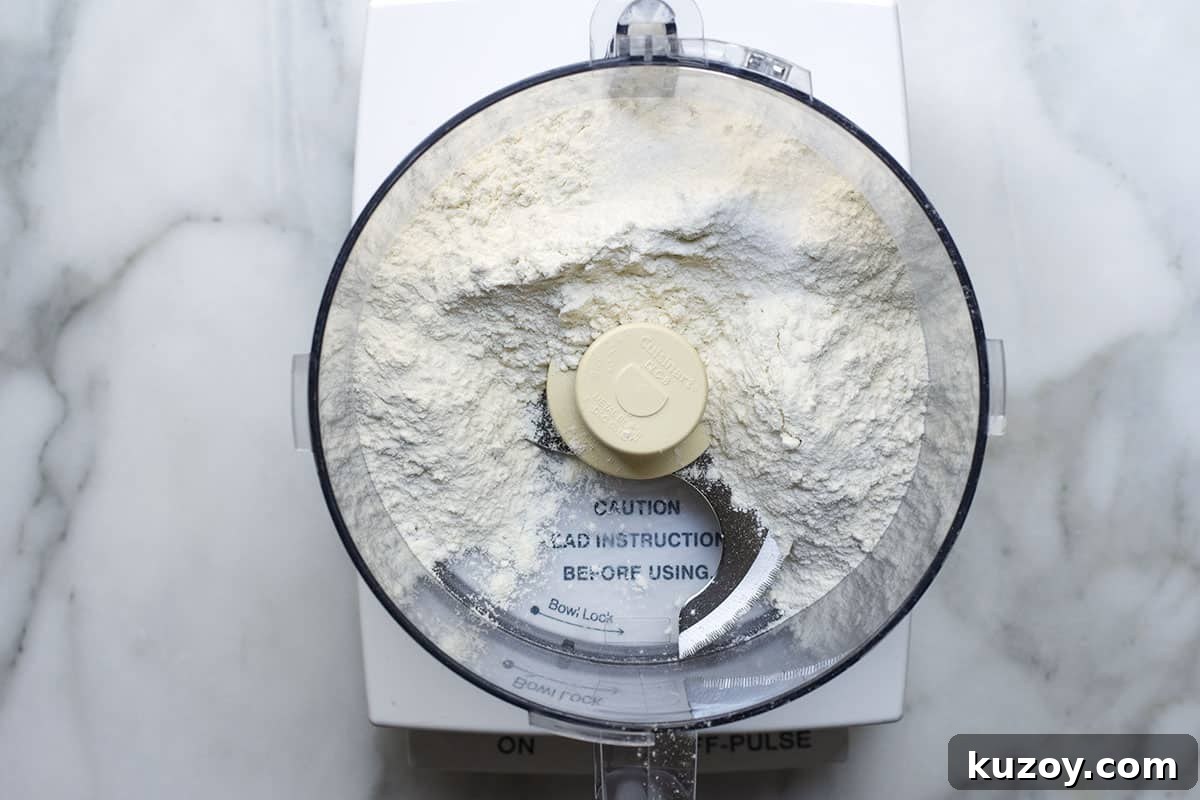
Cut the fat into the flour: Pulse flour and salt in a food processor until combined. Add chilled lard and butter and pulse until the mixture resembles coarse crumbs with some pieces about the size of peas.
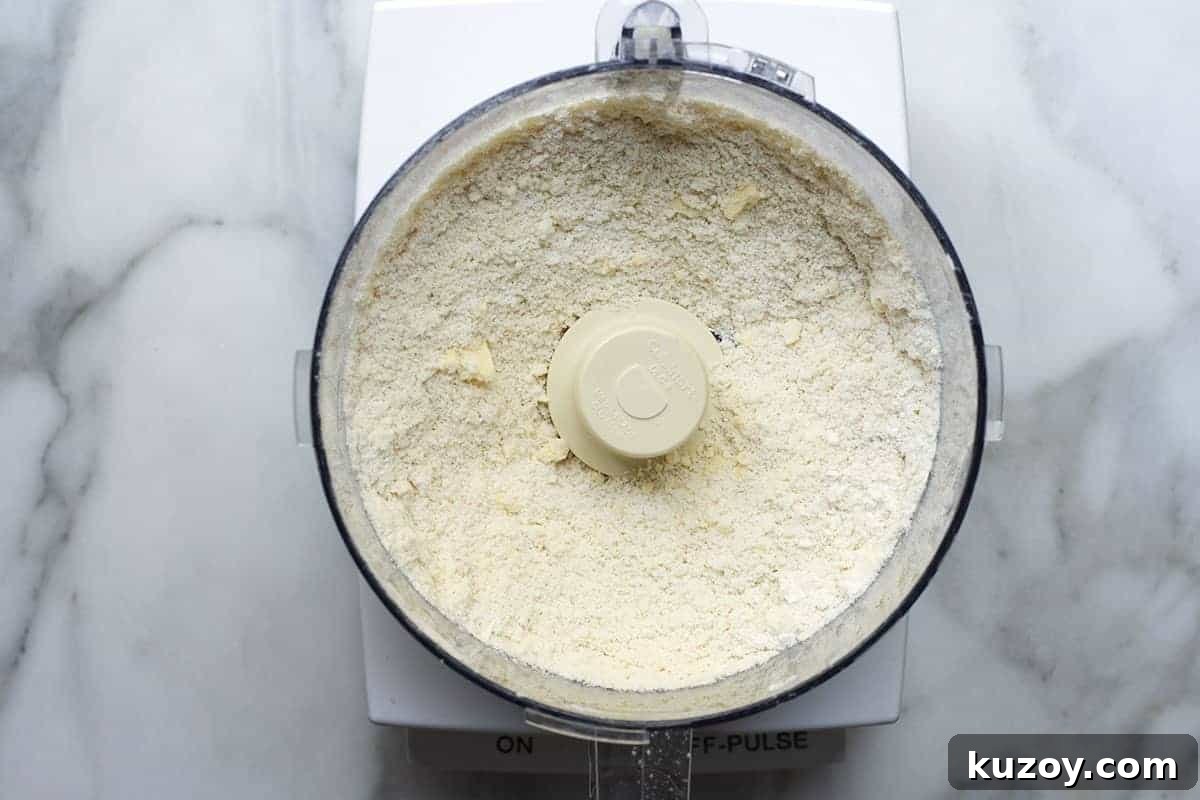
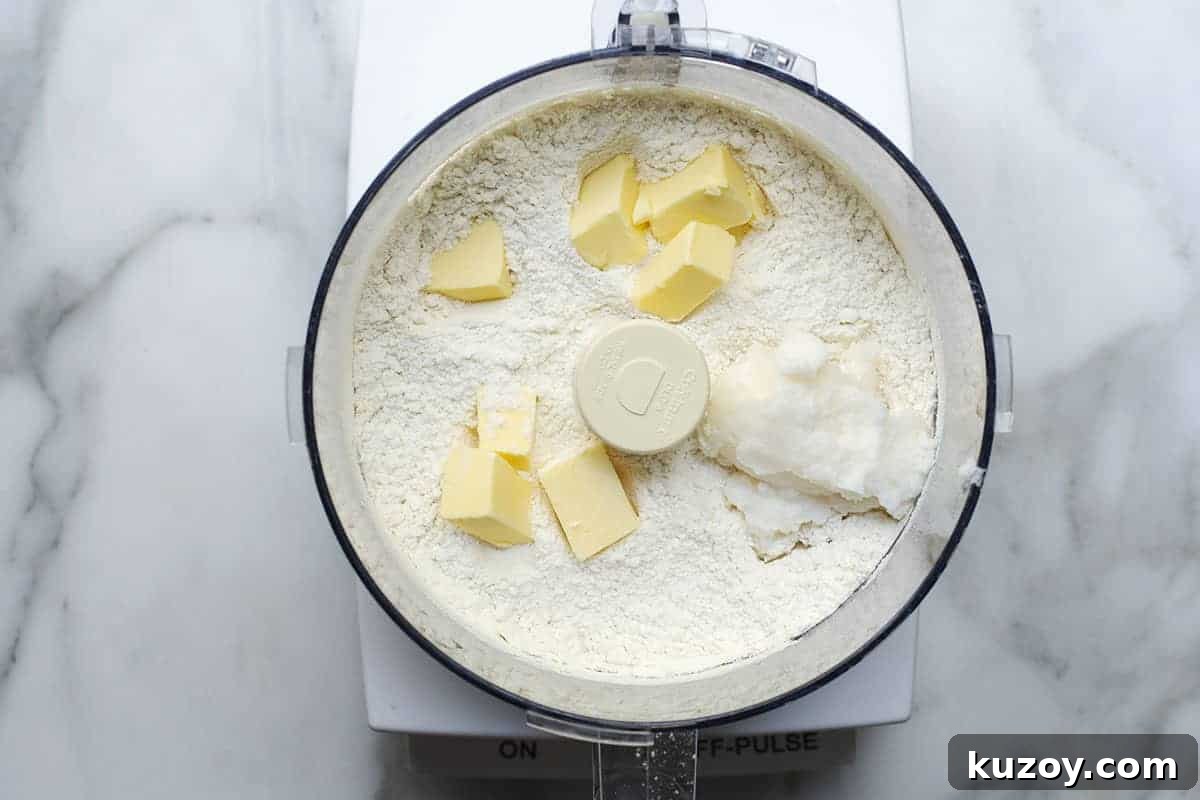
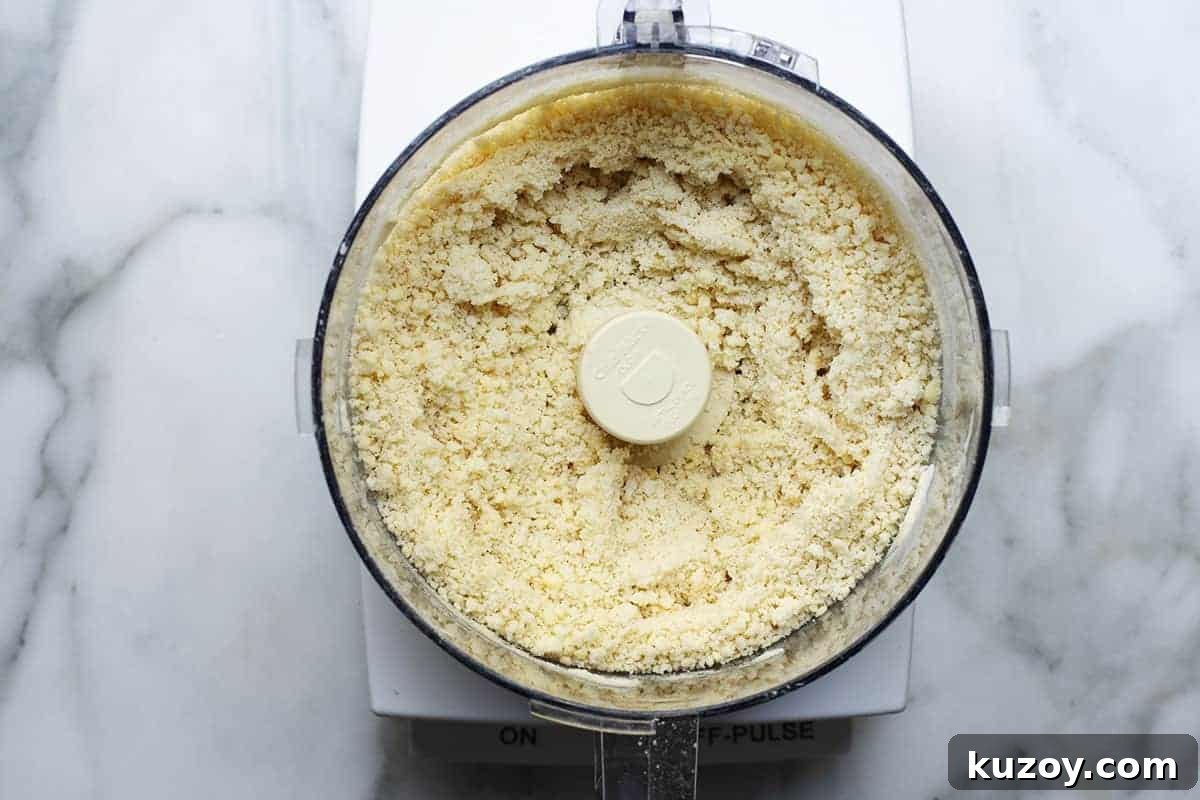
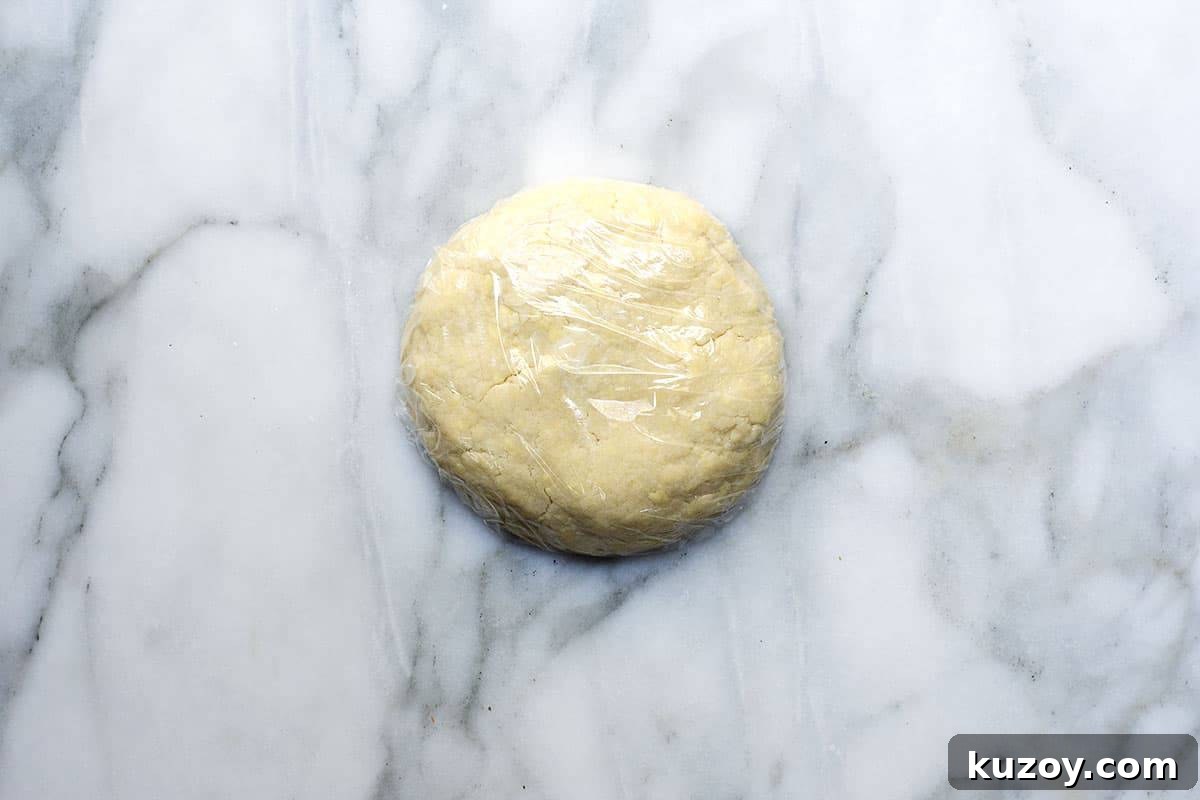
Add water, shape, and chill: Sprinkle cold water over the mixture one tablespoon at a time, pulsing after each addition, until the dough just holds together when pinched. Turn the dough onto a floured surface, shape into a 1‑inch thick disc, wrap tightly, and chill in the refrigerator for at least one hour.
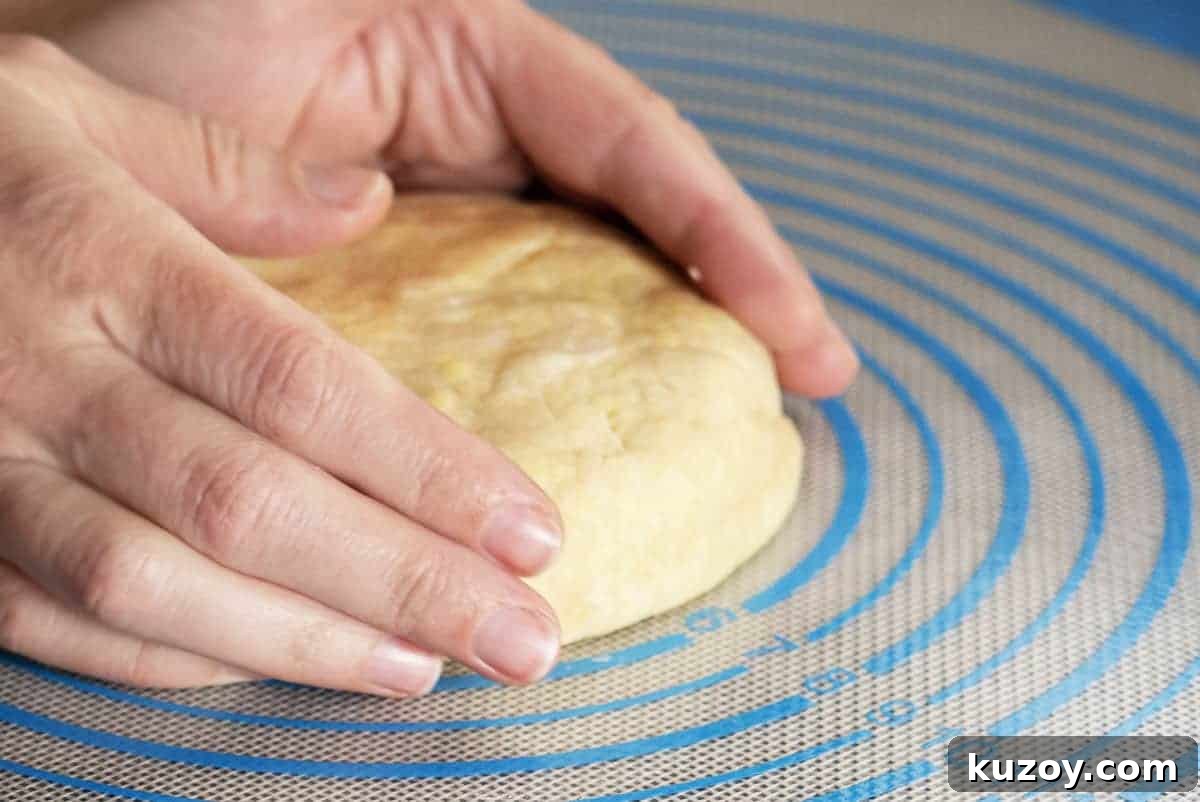
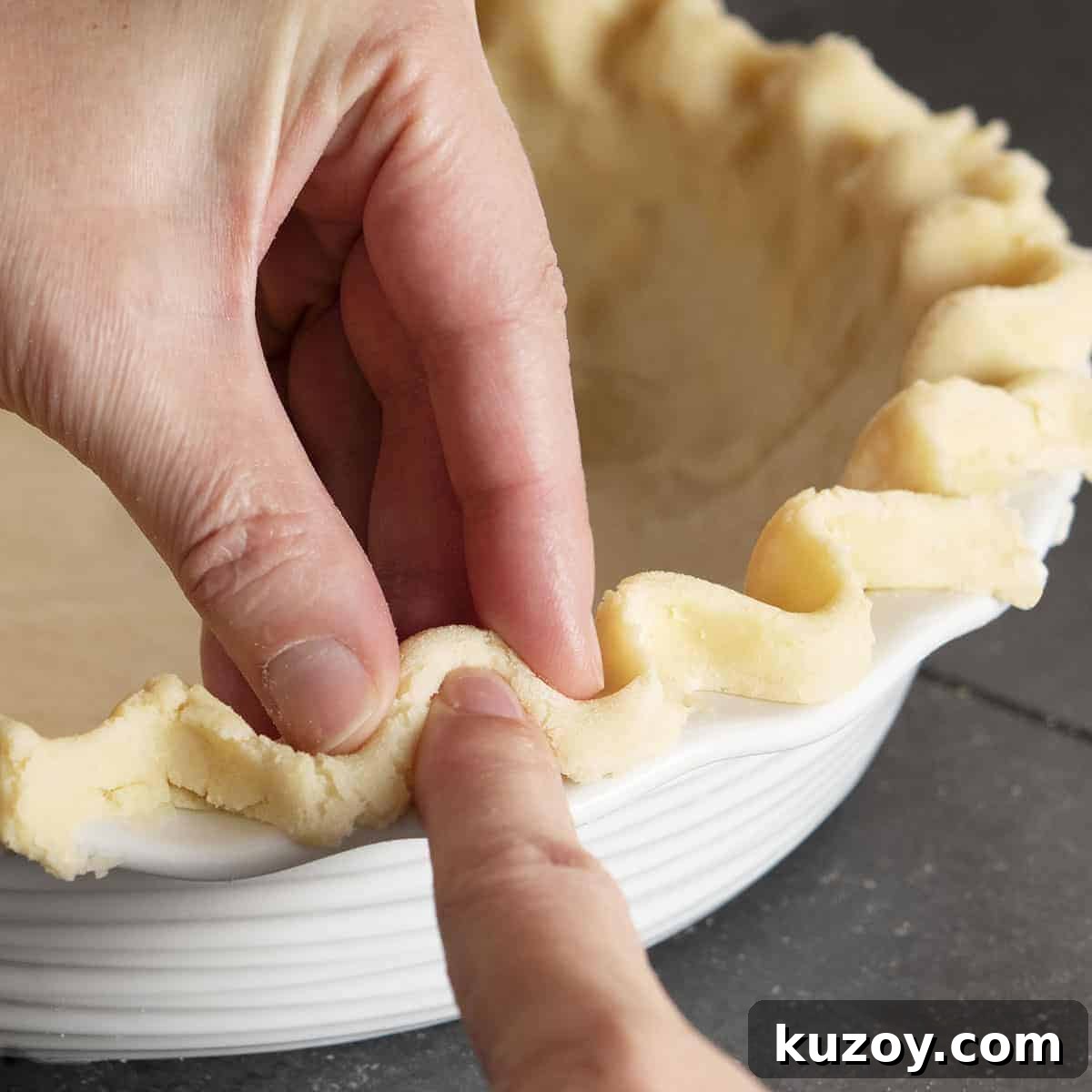
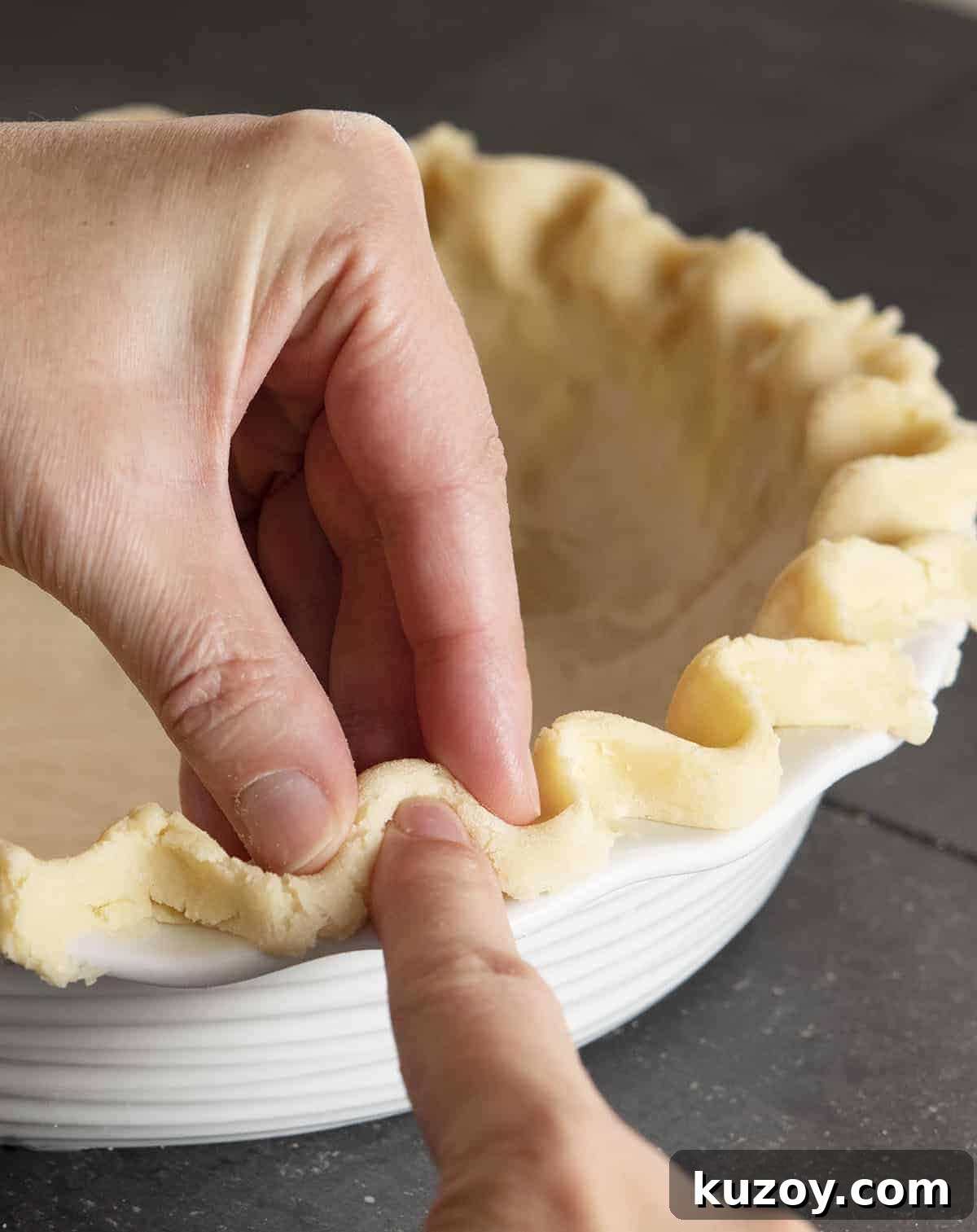
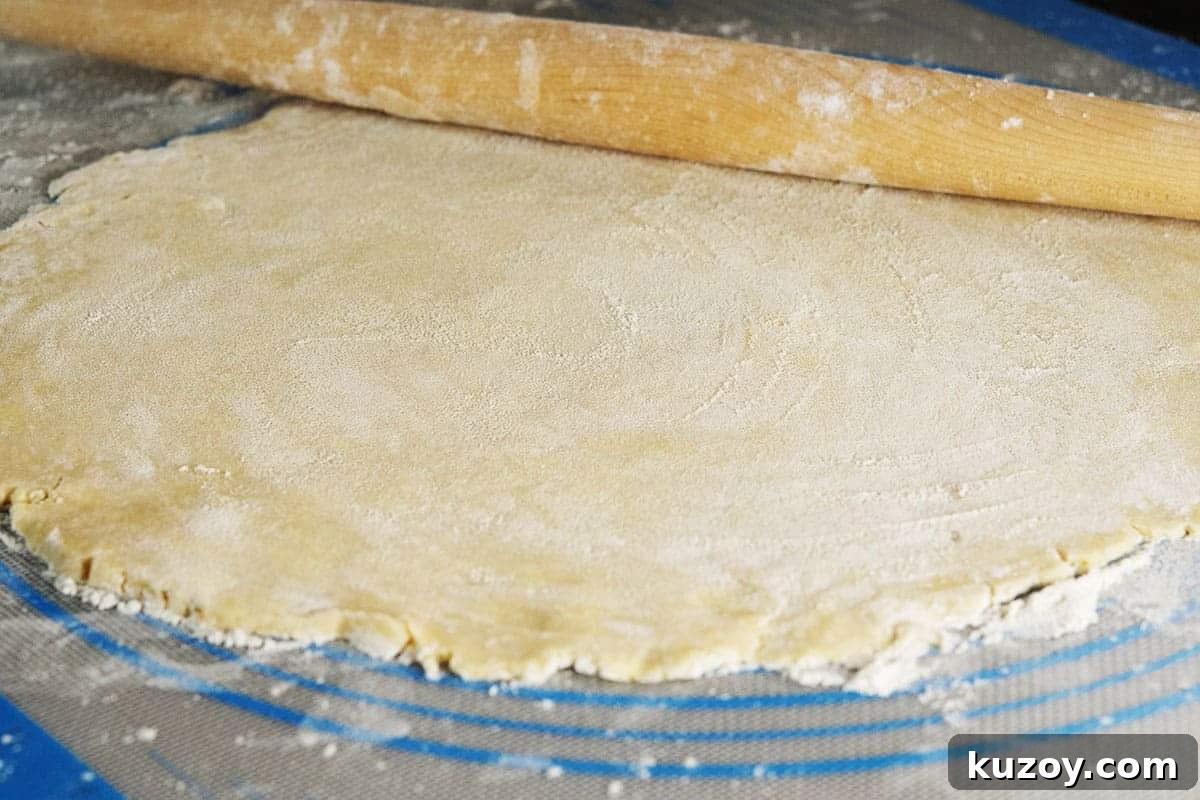
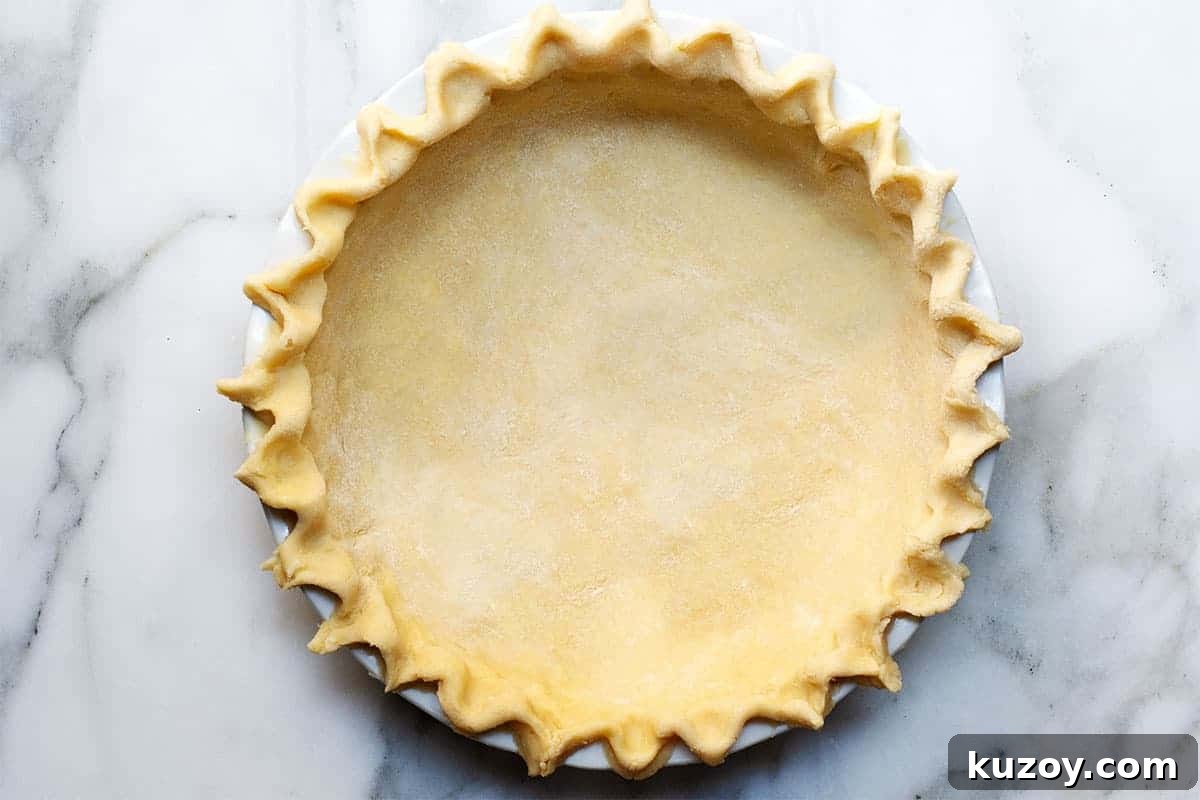
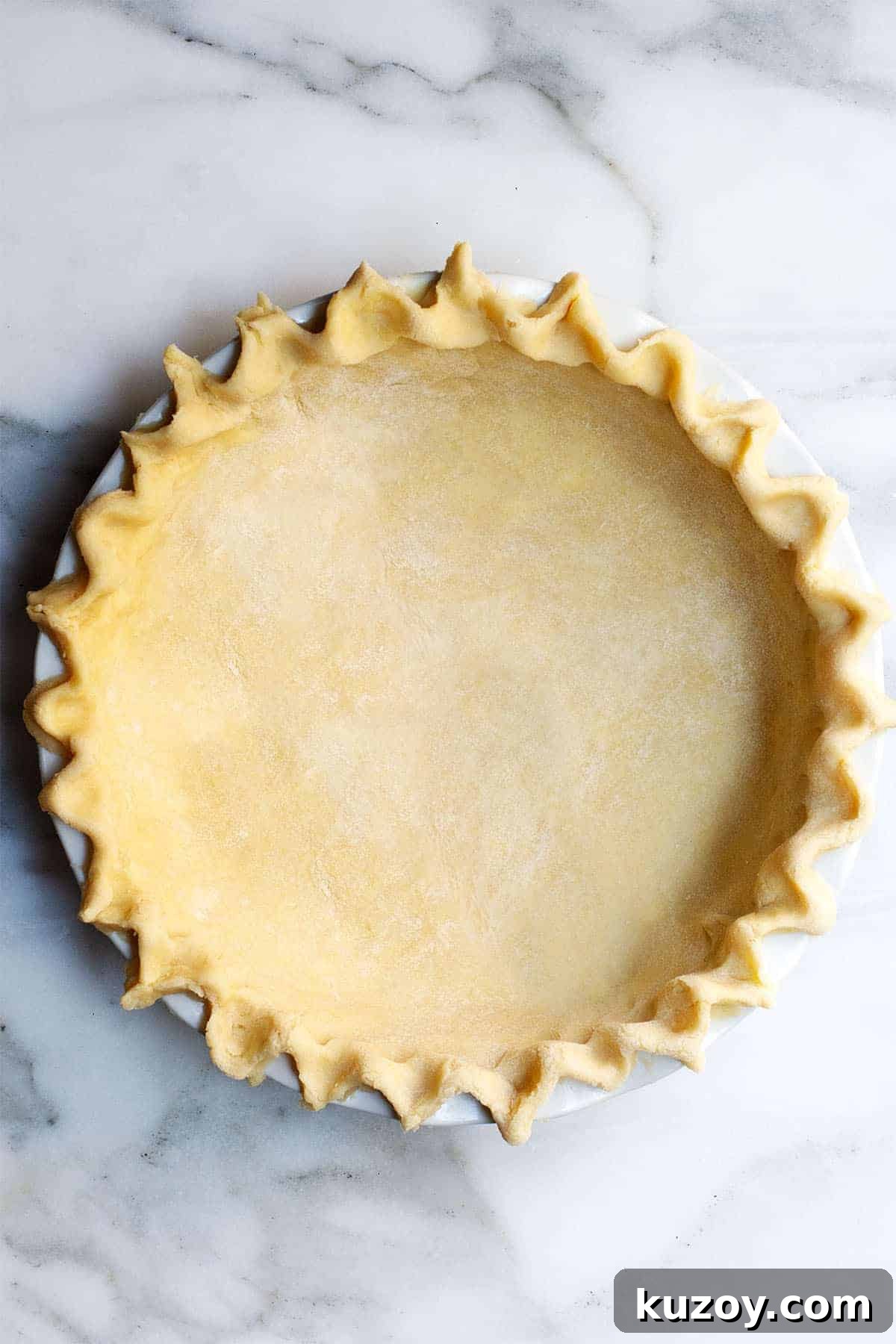
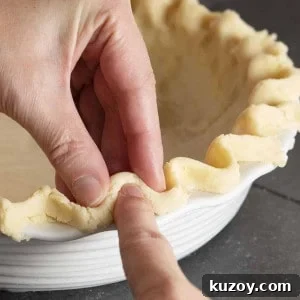
Roll, flute, and chill again: On a floured surface, roll the chilled dough from the center outward into a 12‑inch round. Carefully transfer to a pie pan without stretching the dough. Trim, leaving a 1‑inch overhang, and flute the edge by pinching with thumb and index finger to form U or V shapes. Cover and refrigerate at least 30 minutes before baking.
My Pro-Tips for a Perfect Crust
- Handle the dough lightly: Dough should be cool but pliable. If it’s hard, let it sit at room temperature 15–30 minutes. If it looks greasy or warm, chill 20 minutes before rolling.
- Prevent shrinking: Never stretch the dough into the pan — ease it in. The 1‑inch overhang compensates for natural shrinkage.
- Make‑ahead: Refrigerate the dough up to 3 days or freeze for up to 3 months; thaw overnight in the fridge before using.
- If the crust is tough: Most often this is from overworking the dough (gluten development) or from fats warming and melting into the flour instead of remaining in layers. Keep ingredients cold and mix just until combined.
How to Blind Bake Lard Pie Crust
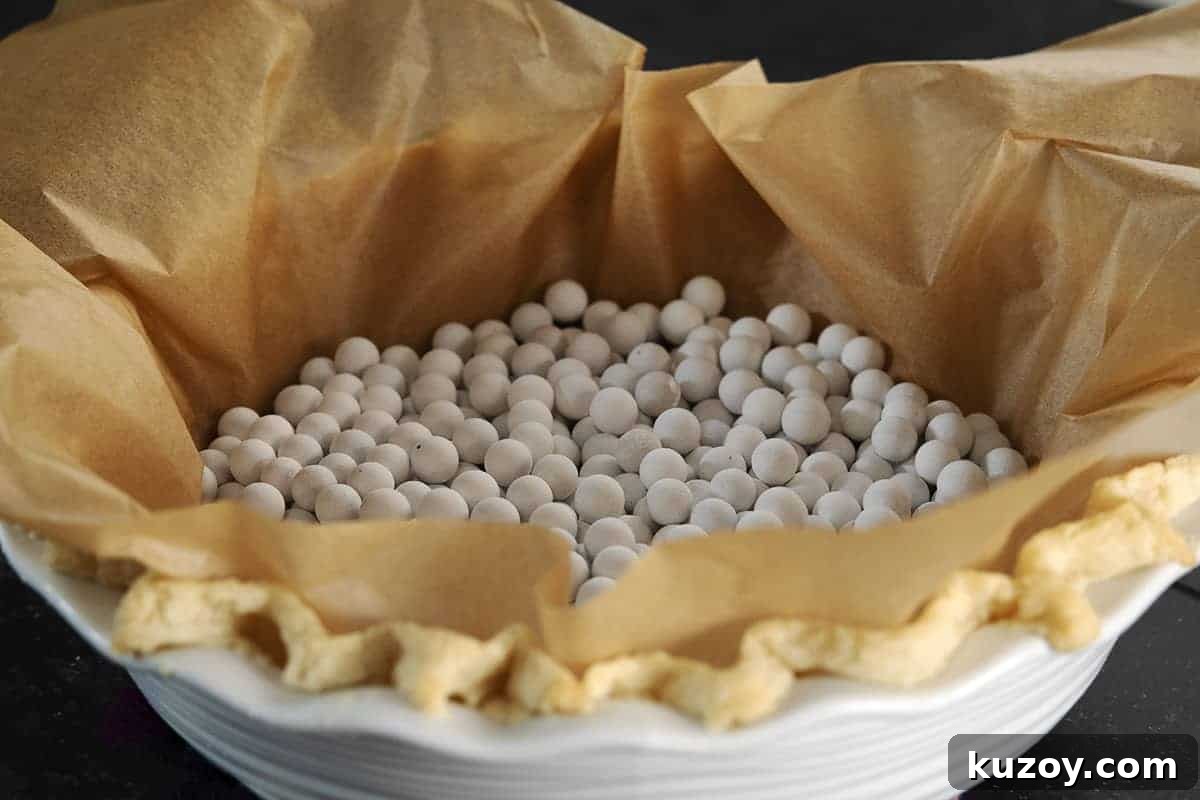
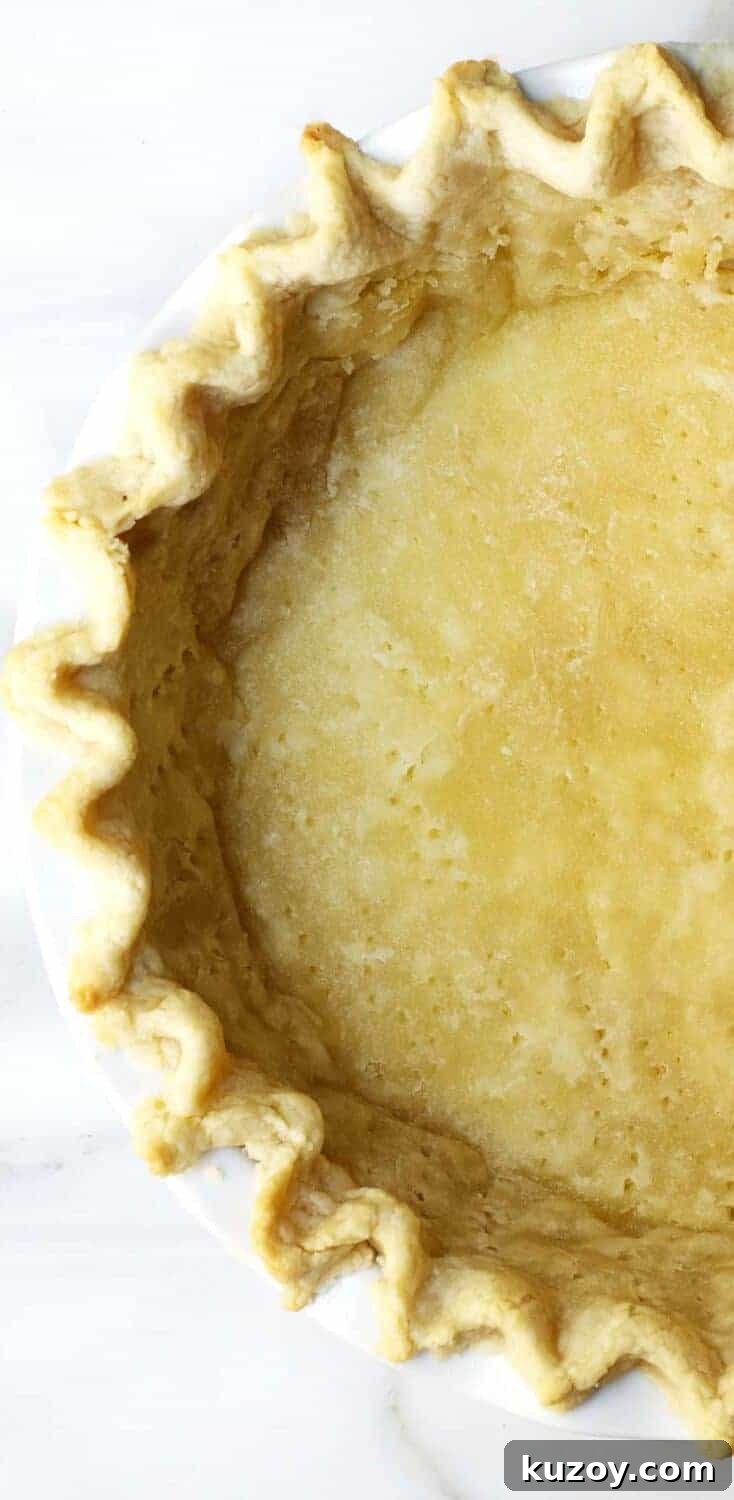
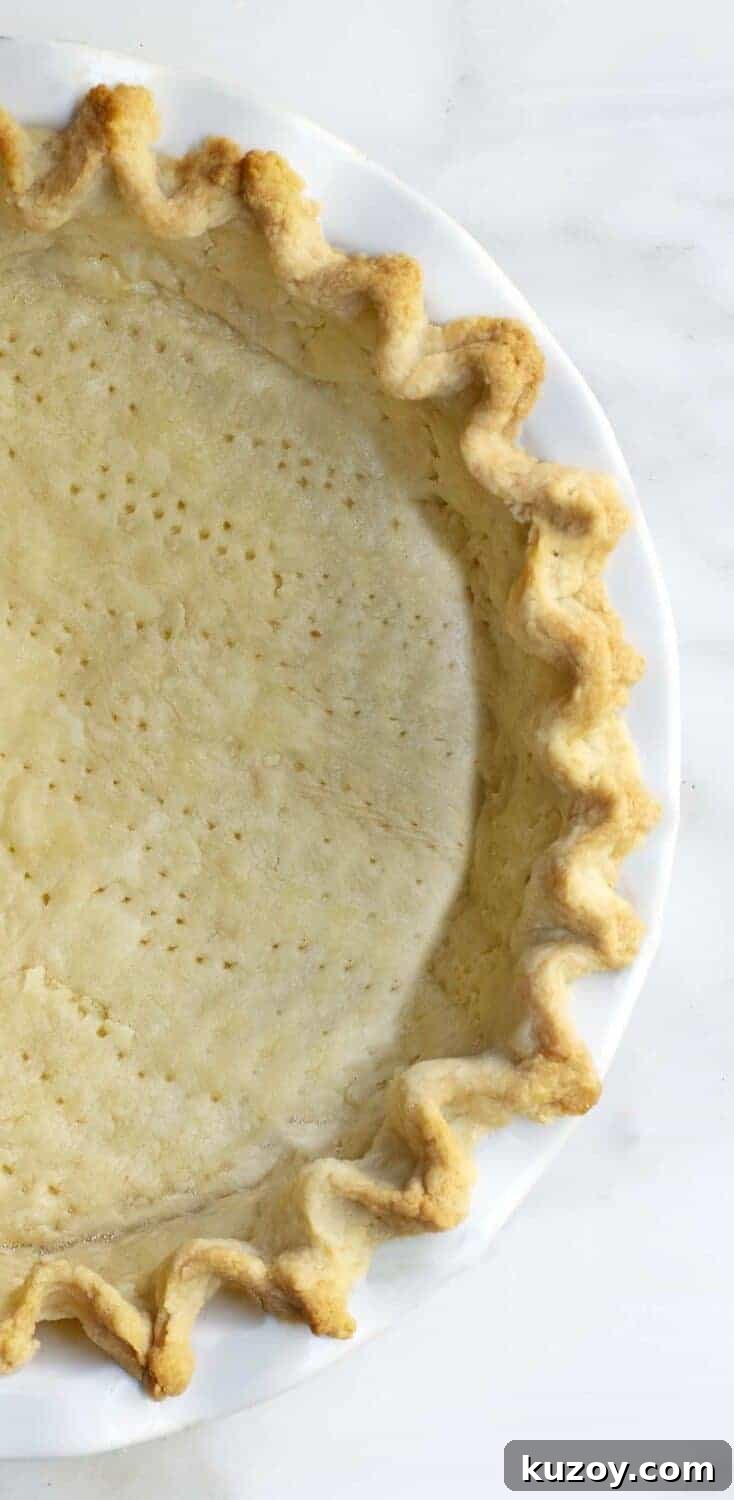
To blind bake, line the chilled crust with parchment or foil and fill with pie weights or dried beans. Bake at 425°F for 12 minutes, remove the weights and paper, then prick the crust with a fork. For a partially baked shell, continue baking 8–10 more minutes; for a fully baked shell, bake an additional 10–12 minutes until golden.
What to Make
This crust shines with savory dishes like breakfast quiche, chicken pot pie, or turkey pot pie, and it also makes excellent crackers from dough scraps. It’s equally suited to sweet pies — apple, peach, pumpkin, berry tarts, chocolate or pecan pies — where the lard enhances nutty and caramel flavors and delivers a rich, flaky base.
FAQ
Leaf lard is the highest grade of lard rendered from the fat surrounding a pig’s kidneys. It has a neutral flavor with minimal porkiness, making it ideal for pie crusts and other baking applications.
Yes. For the best balance of flakiness and flavor, replace up to half the butter with lard so you retain buttery taste while increasing flakiness.
Lard produces very flaky, crisp pastry; it can be less flavorful than pure butter, which is why blending the two fats often gives the best overall result.
No. Lard is rendered pork fat; Crisco is a brand of hydrogenated vegetable shortening. They behave differently in baking and have different flavor profiles.
It’s subjective. For traditional flavor and texture, good quality rendered lard is often preferred over hydrogenated shortenings like Crisco.
Storage Tips
Refrigerate the dough for up to 3 days before rolling. Wrap tightly and freeze for up to 3 months; defrost overnight in the refrigerator before using.
Lard Pie Crust
Video
Ingredients
- 1 1/2 cups all-purpose flour
- 1/2 teaspoon kosher salt
- 5 tablespoons lard (chilled, preferably leaf lard)
- 4 tablespoons unsalted butter (chilled, cubed)
- 4 tablespoons ice water (up to 5 tbsp as needed)
Instructions
To Make With a Food Processor:
- Add flour and salt to the food processor bowl and pulse to combine. Add chilled lard and butter and pulse until you have coarse crumbs. Add ice water, 1 tablespoon at a time, pulsing after each addition until the dough just holds together when pinched. Turn out onto a floured surface, shape into a 1‑inch disc, wrap tightly, and refrigerate at least one hour.
To Make by Hand:
- Whisk flour and salt in a large bowl. Cut in chilled lard and butter with a pastry cutter or two knives until you have pea‑sized coarse crumbs. Sprinkle in ice water, 1 tablespoon at a time, while fluffing with a fork, until it clumps when squeezed. Shape into a 1‑inch disc, wrap, and chill at least one hour.
To Roll Out Pie Crust:
- Generously flour your work surface. Roll the chilled dough from the center outward into a 12‑inch round. If the dough is hard, let it sit 15–30 minutes; if it feels warm or greasy, chill 20 minutes.
To Pan and Chill
- Fold the dough over your rolling pin and ease into a 9‑inch deep dish pie pan without stretching. Trim to leave a 1‑inch overhang and flute the edge. Cover and refrigerate at least 30 minutes before baking.
How to Blind Bake or Fully Bake Pie Crust
- Preheat oven to 425 °F (218 °C). Line the crust with parchment or foil and fill with weights or dried beans. Bake 12 minutes, remove weights and lining, prick the crust, then bake 8–10 more minutes for a partially baked shell or 10–12 minutes more for a fully baked, golden crust.
Notes
- Lard: Use good quality rendered leaf lard when possible — avoid highly processed hydrogenated lard.
- Storage: Refrigerate dough up to 3 days or freeze up to 3 months; thaw overnight in the refrigerator.
- Baking: Partially bake for pies that will continue to bake with their filling; fully bake for no‑bake fillings.
- Double crust: For two crusts, increase ingredients by 50% or double the recipe and use any excess for crackers or crisps.
Nutrition
Nutrition information is an estimate and should be used as a guideline.
Leave a comment & rate the recipe below!