
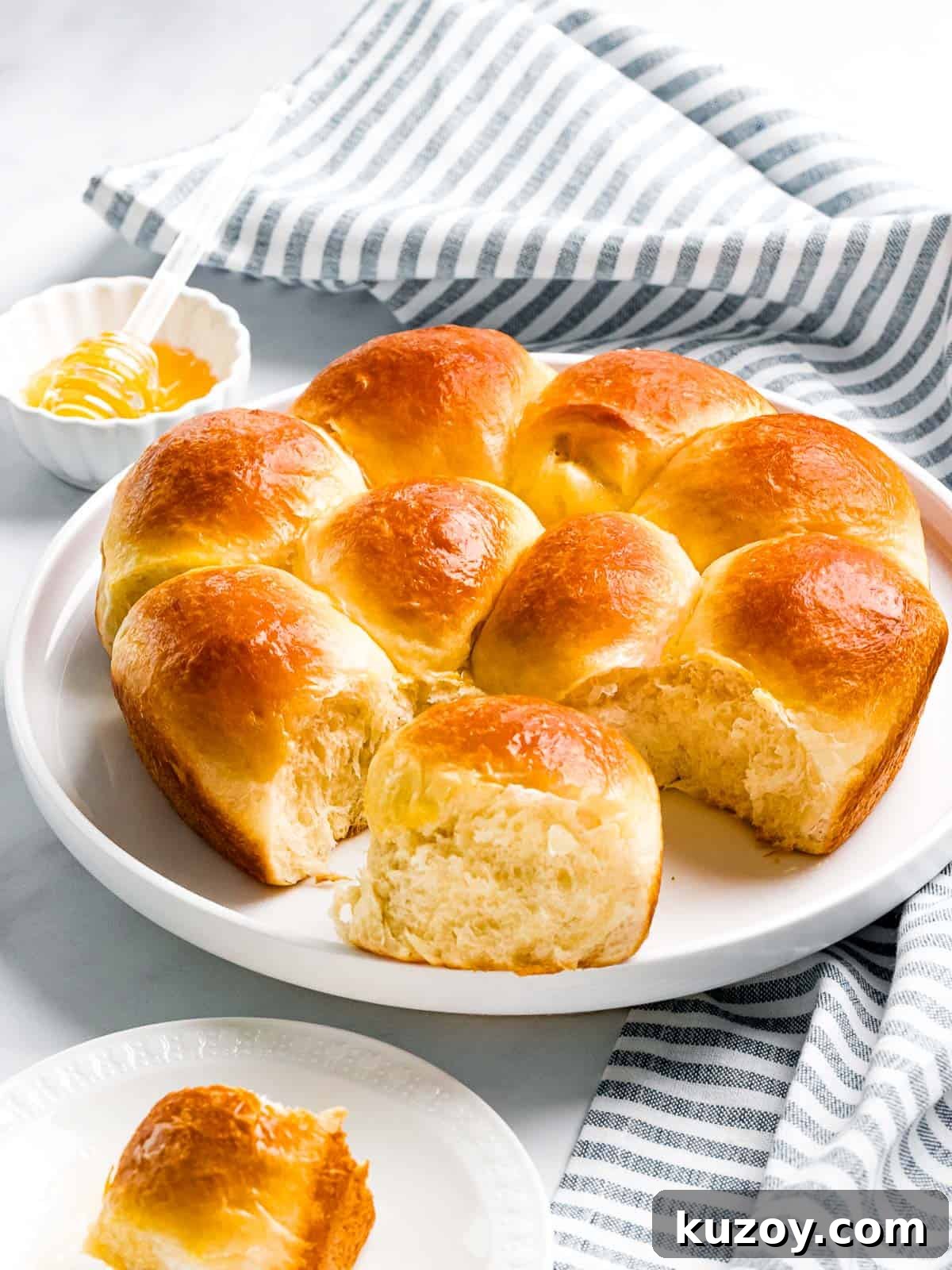
These sweet brioche rolls are incredibly soft, buttery, and slightly sweet. Made with eggs and butter, then baked until golden brown, they make the perfect dinner roll—soft, fluffy, and rich.
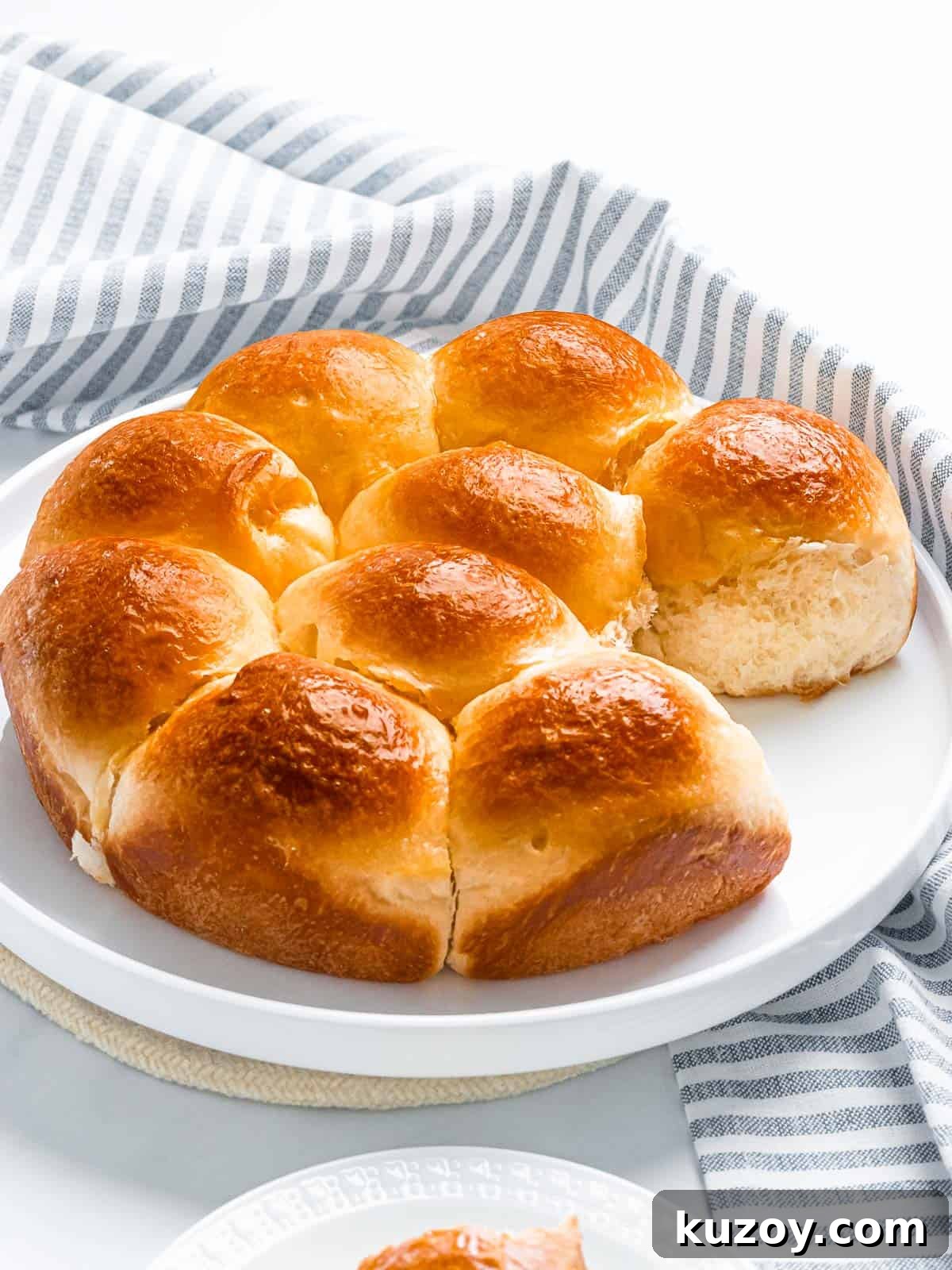
These brioche rolls have a tender, airy crumb and a buttery flavor that pairs beautifully with savory meals. They’re ideal for holiday dinners like Thanksgiving and Christmas or for any family gathering when you want a special roll at the table.
The subtle sweetness balances well with savory main dishes, and a golden-brown crust makes them look as good as they taste.
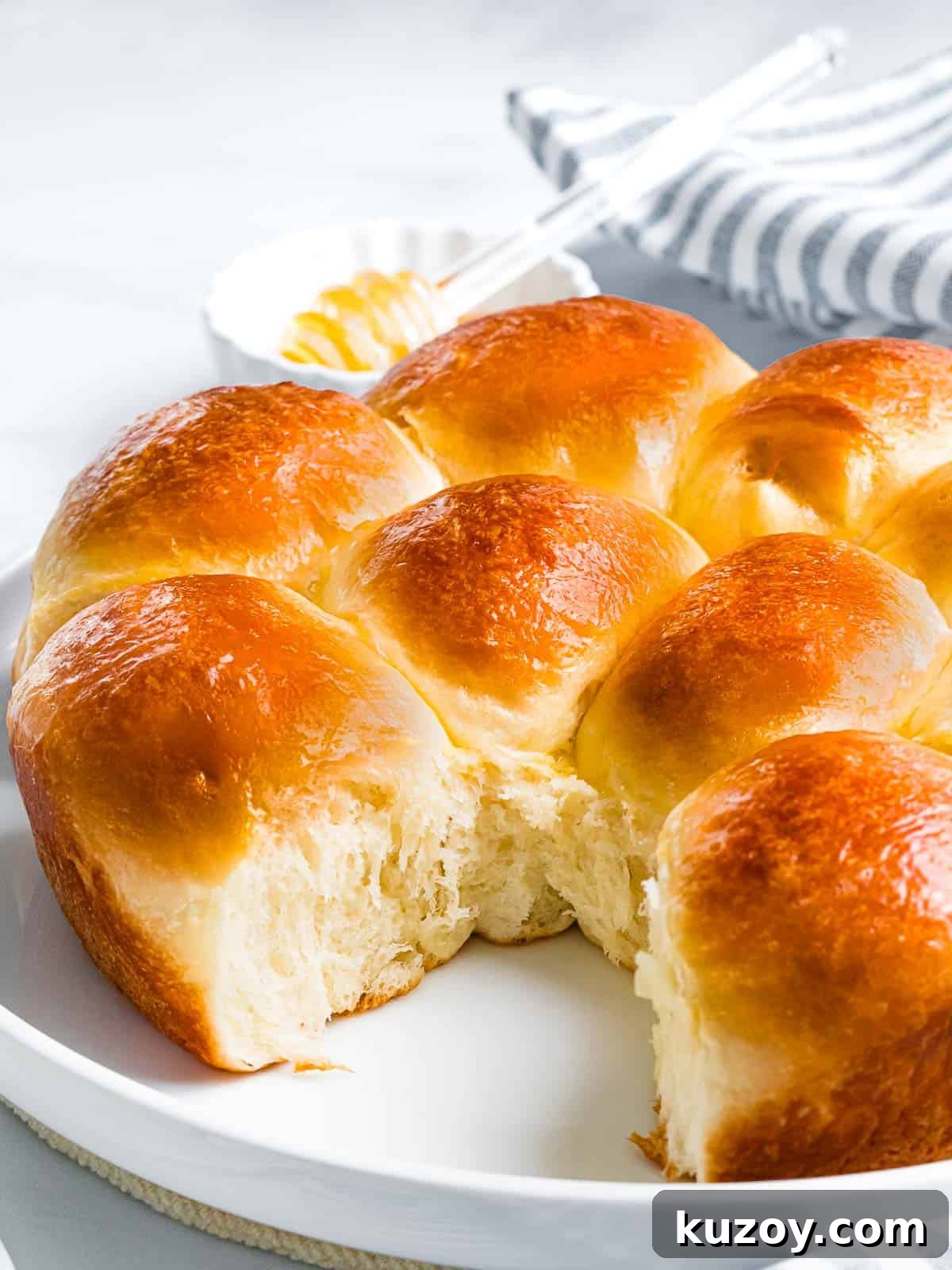
Compared to plain yeast rolls, brioche includes eggs, butter, and a bit of sugar, giving the dough extra richness and a melt-in-your-mouth texture. Milk powder in the dough adds depth of flavor and helps the crust brown evenly.
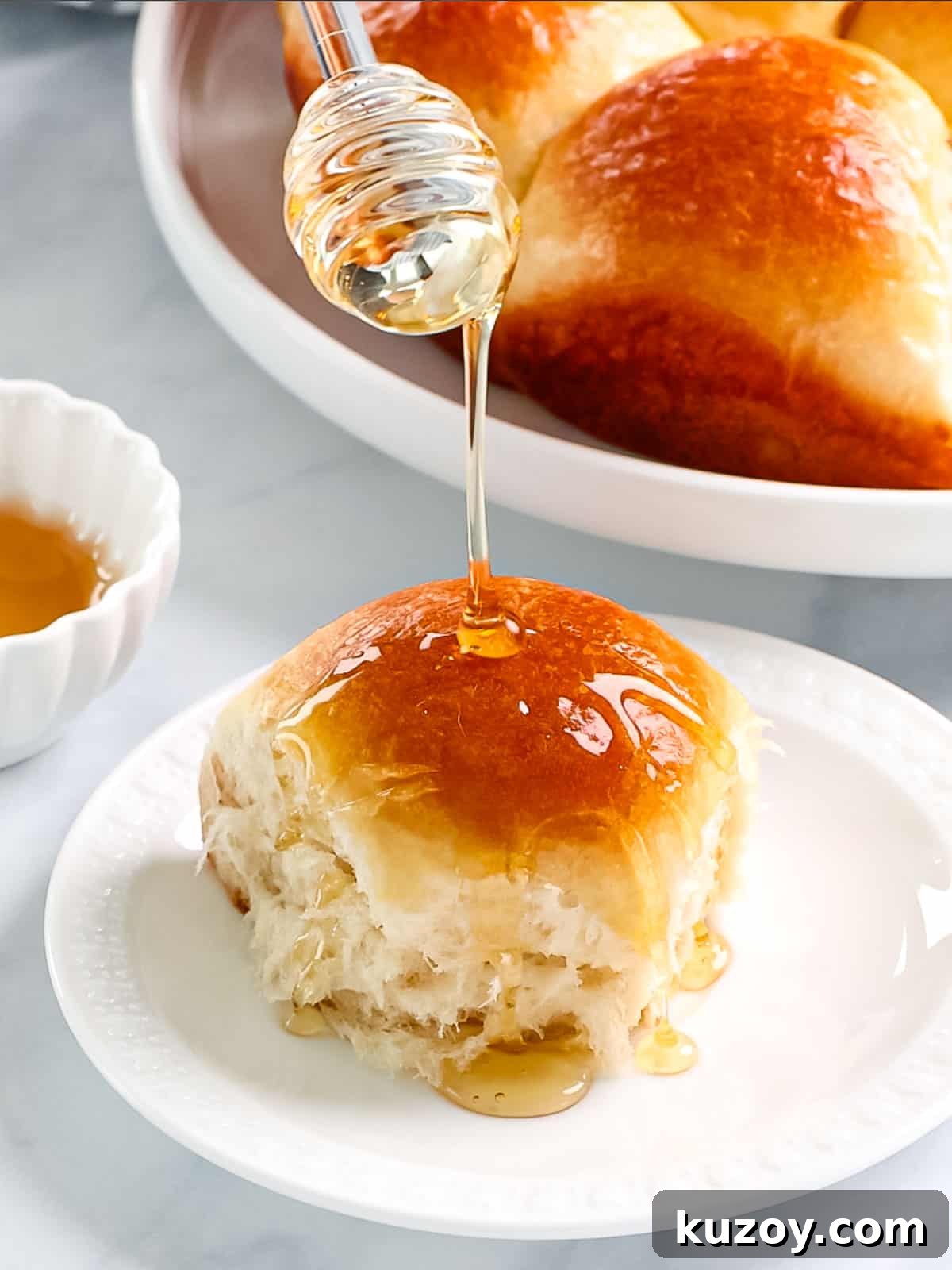
They are delicious straight from the oven with a pat of butter and a drizzle of honey—my favorite way to enjoy them.
Ingredients
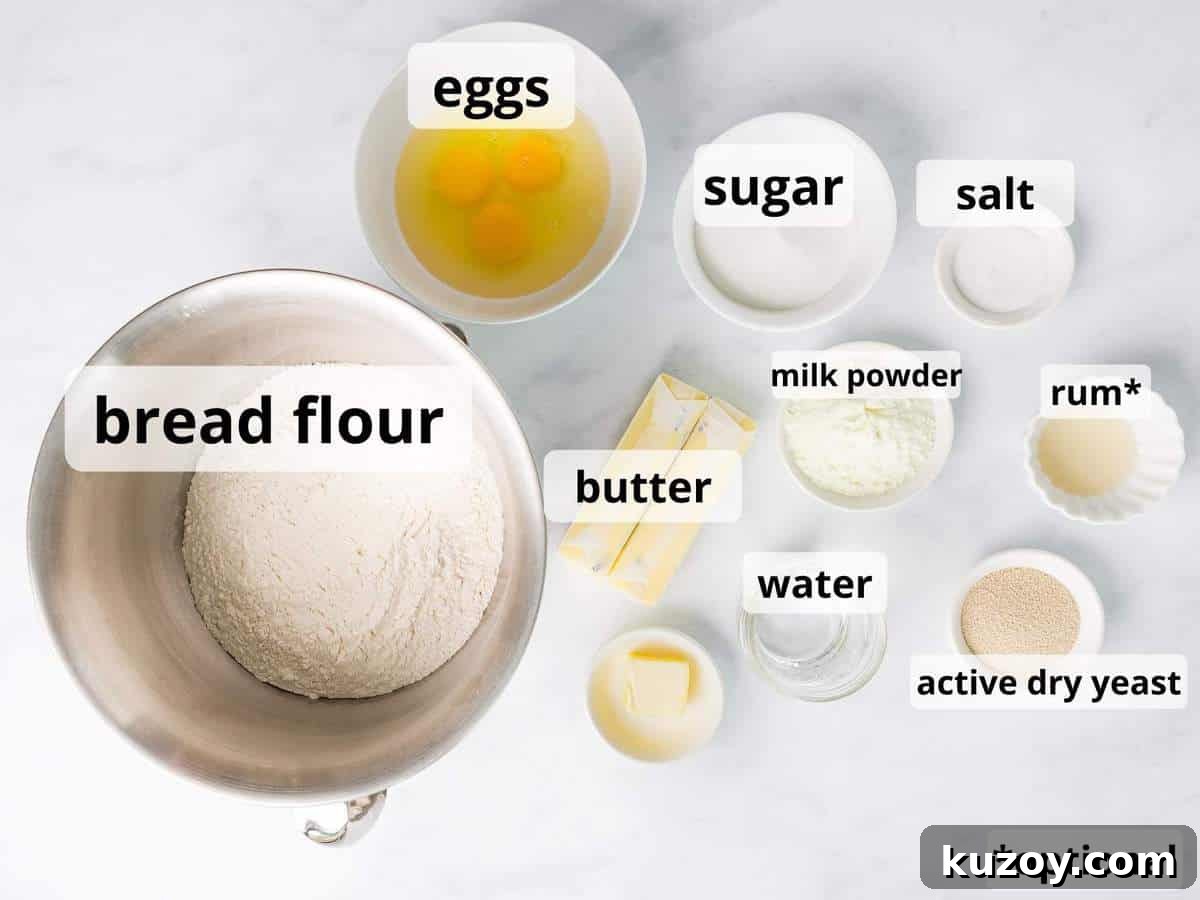
- Bread flour – Use bread flour for better gluten development and structure.
- Butter – Unsalted butter, softened for easy incorporation.
- Eggs – Large eggs add richness and color.
- Sugar – Adds sweetness and helps create a golden crust.
- Milk powder – Enhances richness and improves browning.
- Active dry yeast – Provides lift and a light, fluffy texture.
How to make brioche rolls
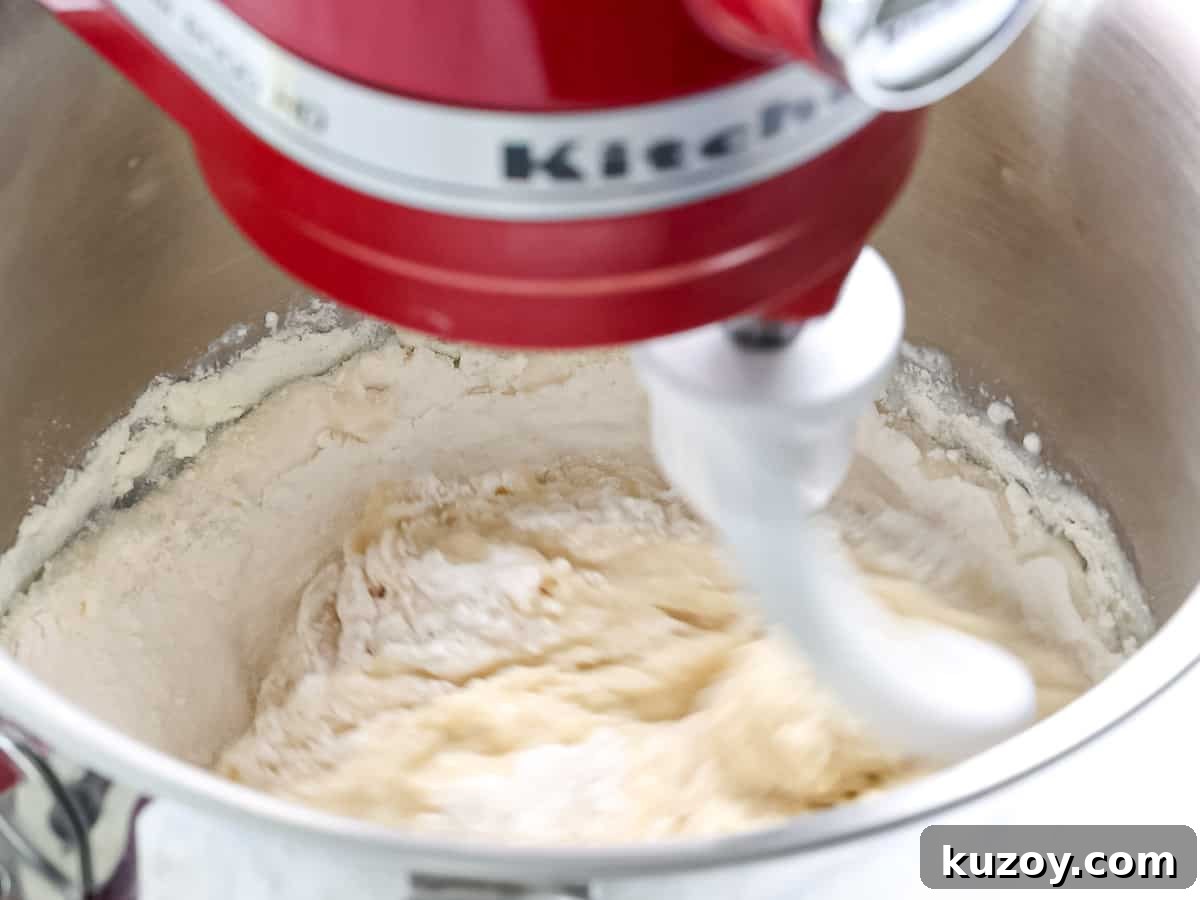
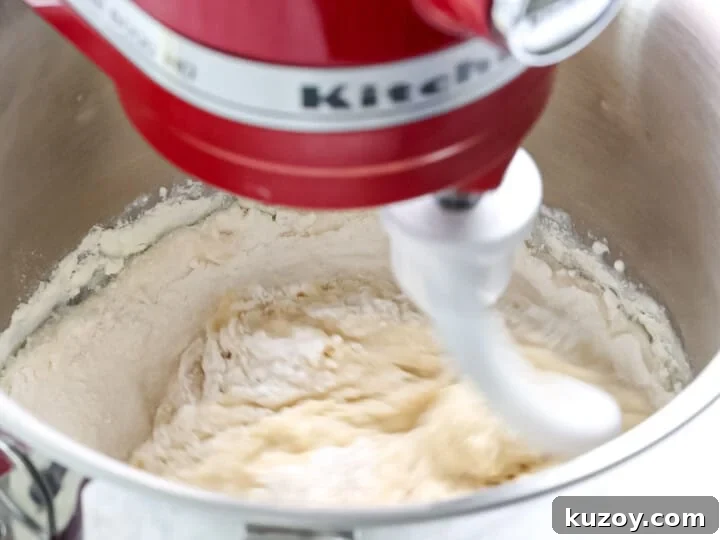
- Cut the butter into small pieces and let it soften at room temperature. Add the remaining ingredients to a stand mixer and mix on medium until the flour is fully incorporated.
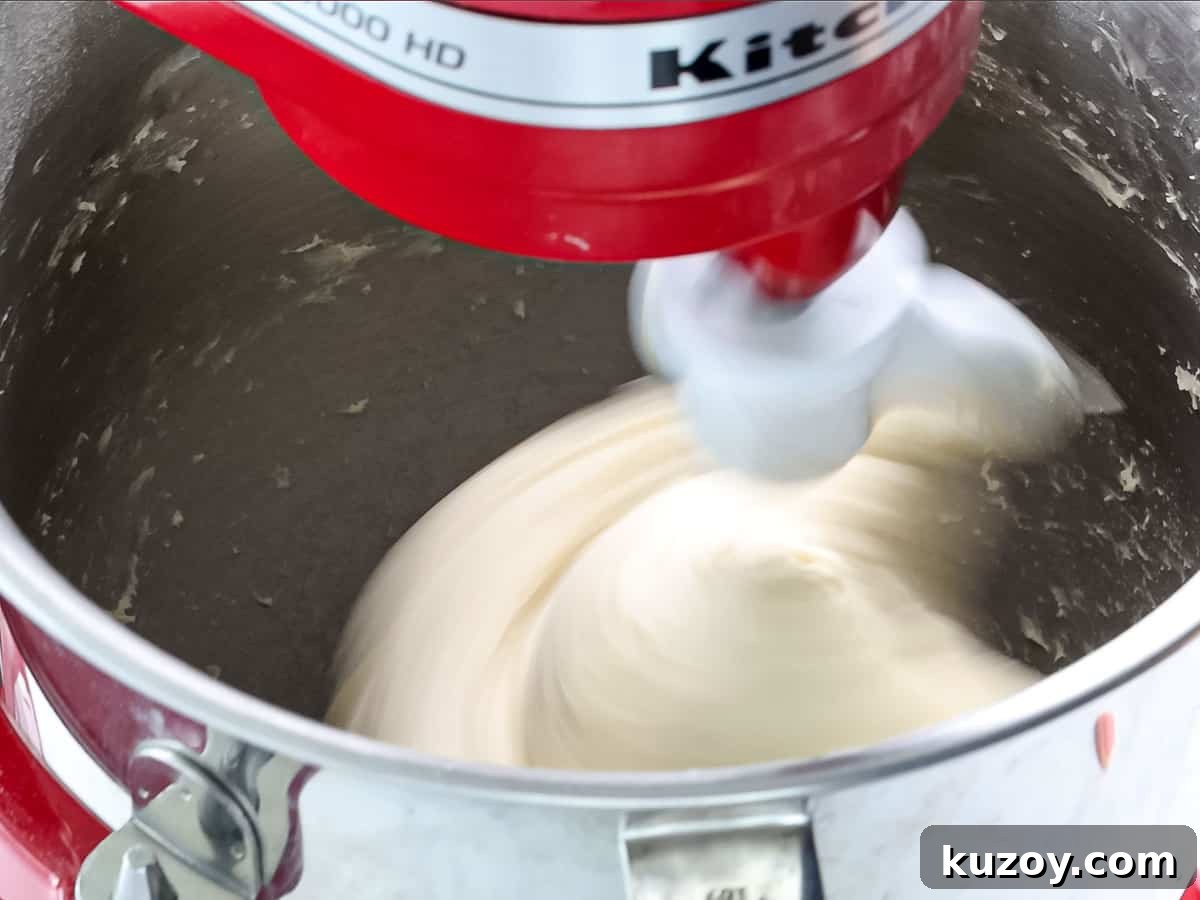
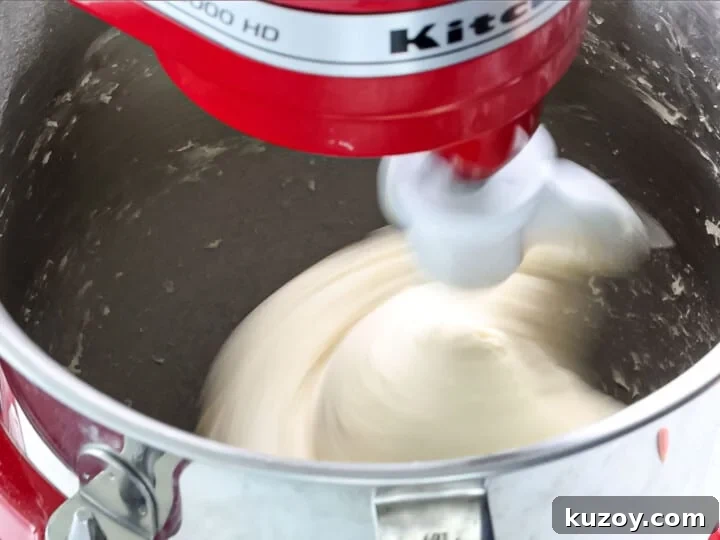
- Add half the butter and mix on high until absorbed. Add the remaining butter and continue mixing on high until the dough becomes smooth and forms a round ball.
- Test gluten development with the windowpane test: dust a small piece of dough with flour and stretch it between your fingers. If the dough stretches thin enough to see your fingers through it without tearing, it’s ready to proof.
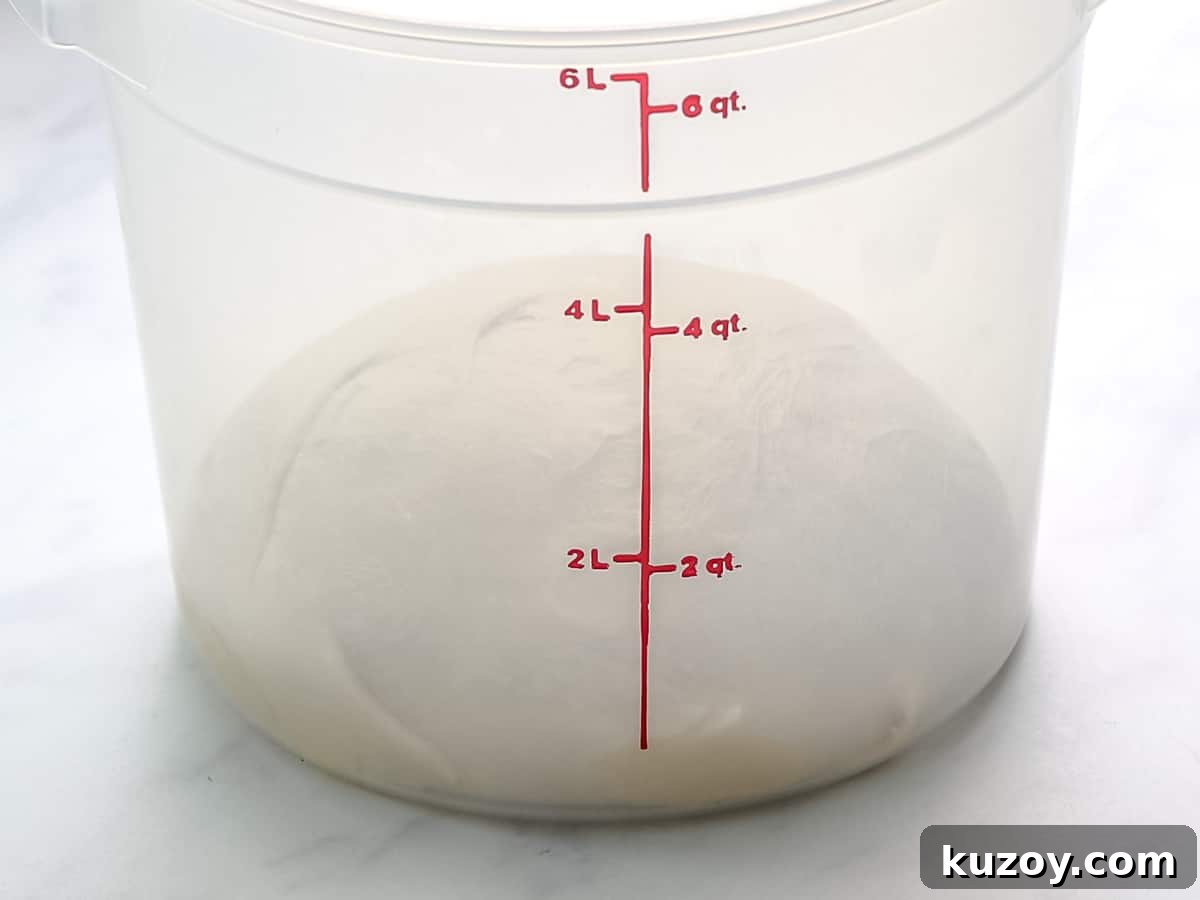
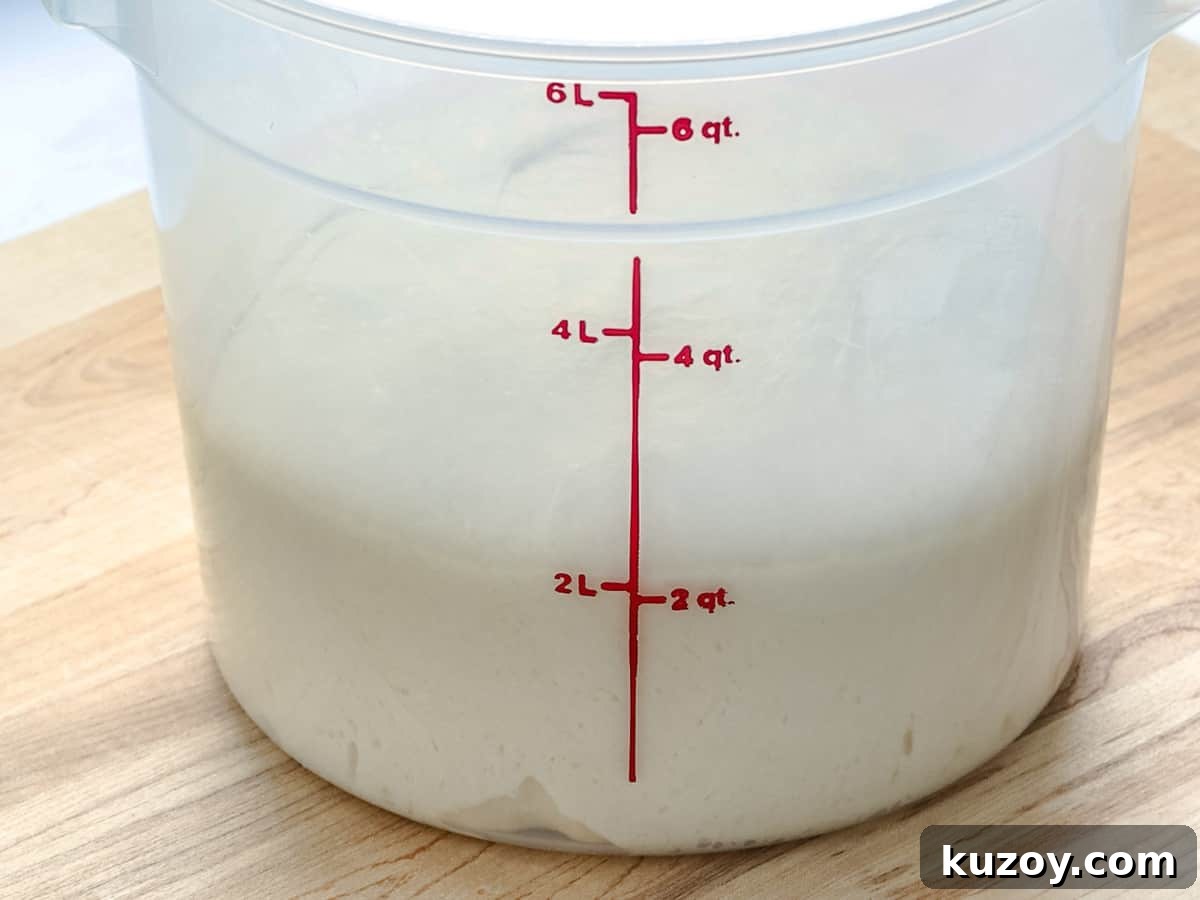
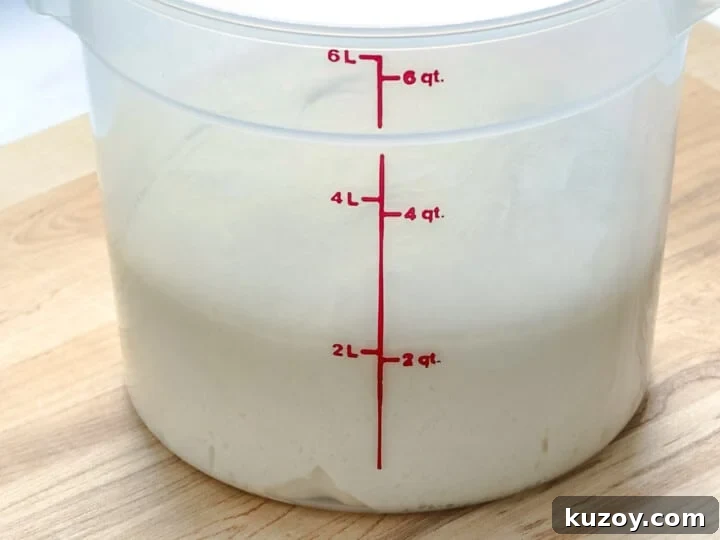
- Form the dough into a loose ball and place it in a clear container. Proof in a warm, humid spot away from direct sunlight until doubled in size.
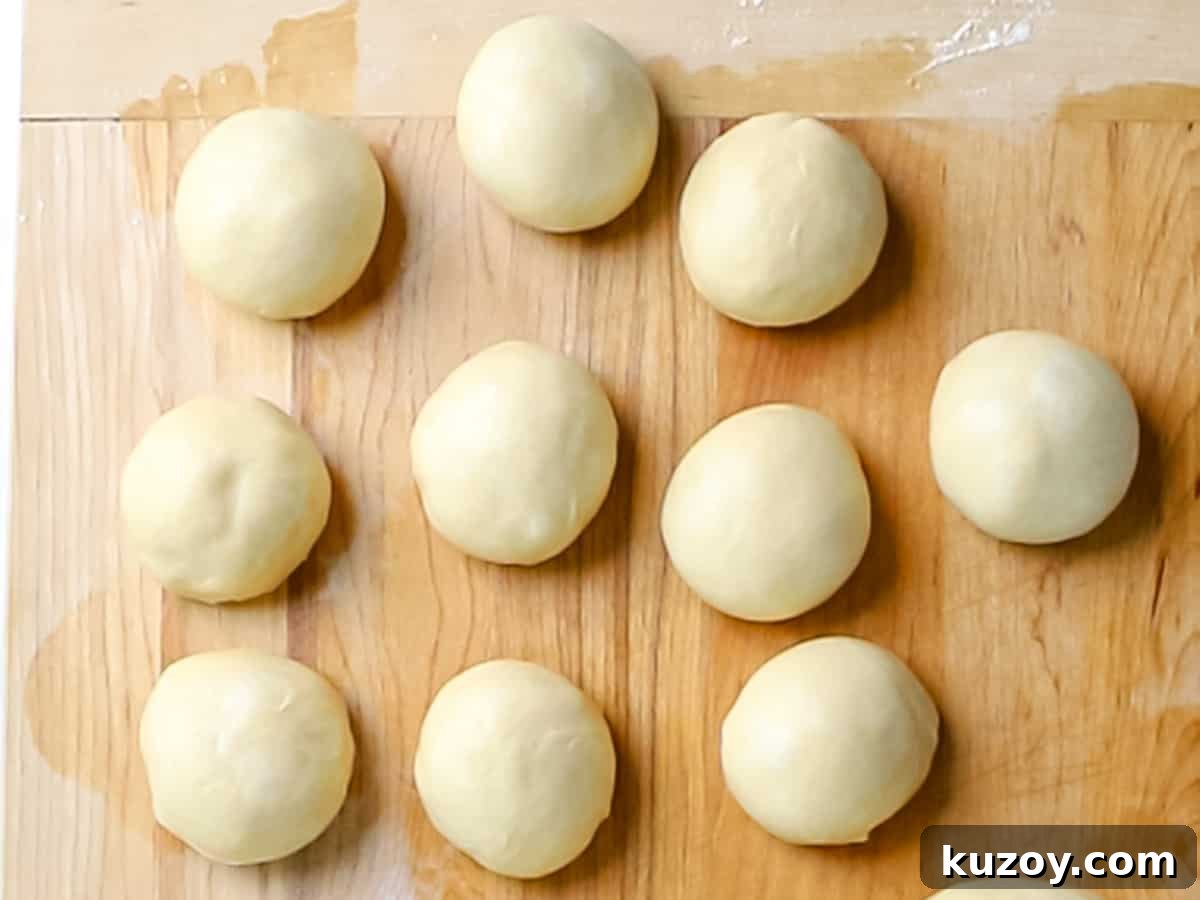
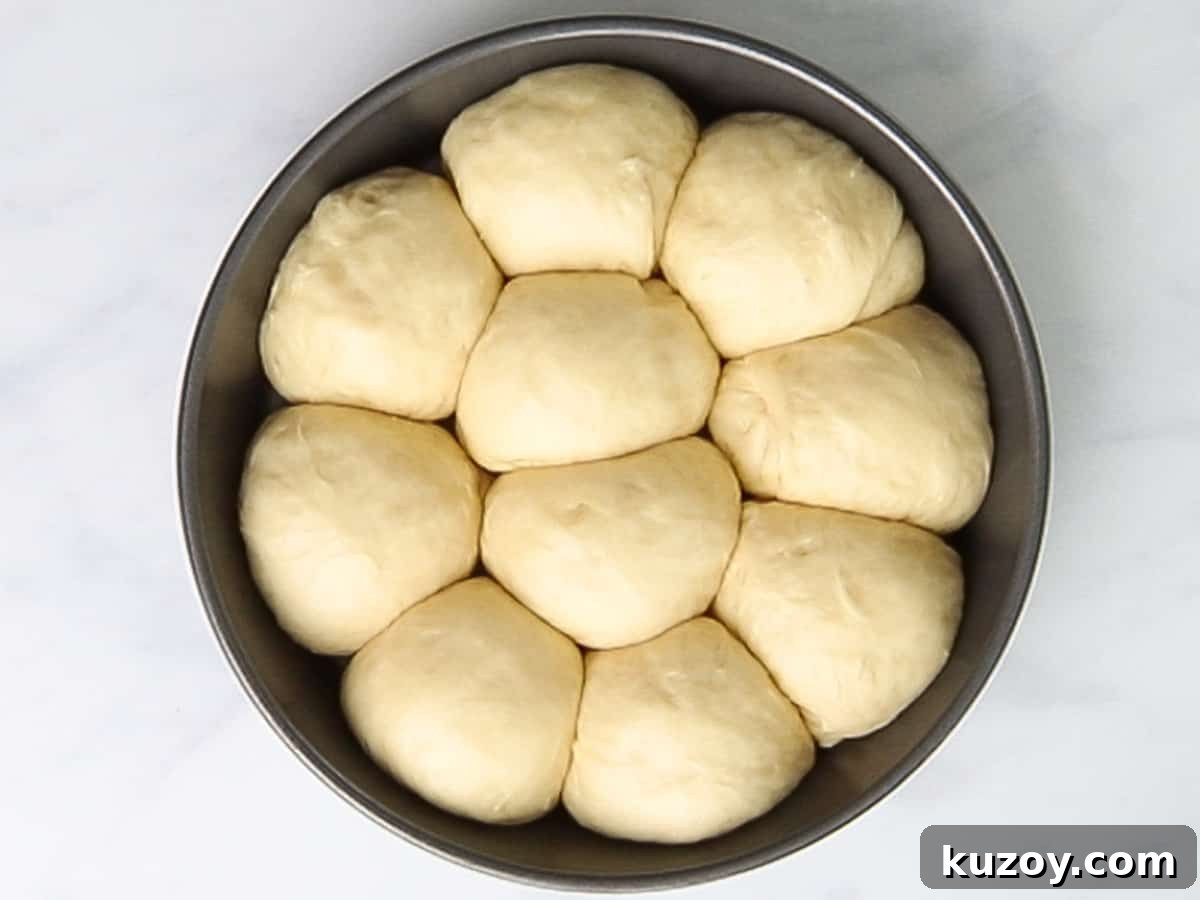
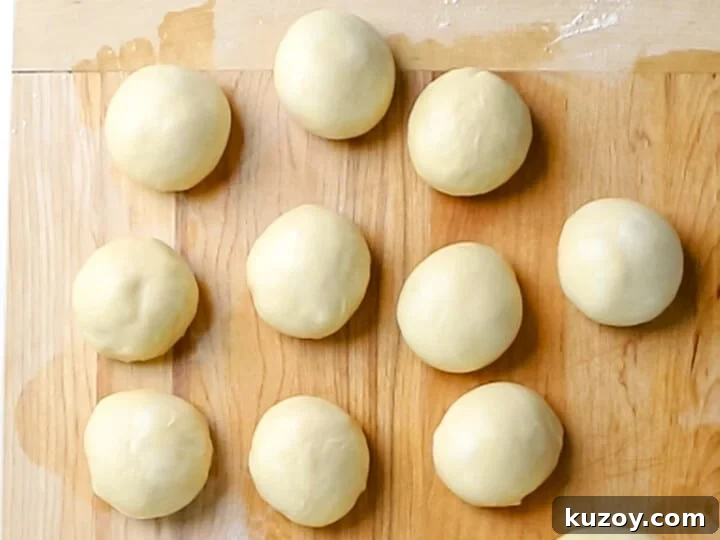
- Divide the dough into 10 pieces and let them rest for 15 minutes. After resting, shape each piece into a tight ball by cupping and dragging the dough against the work surface so excess dough is tucked underneath.
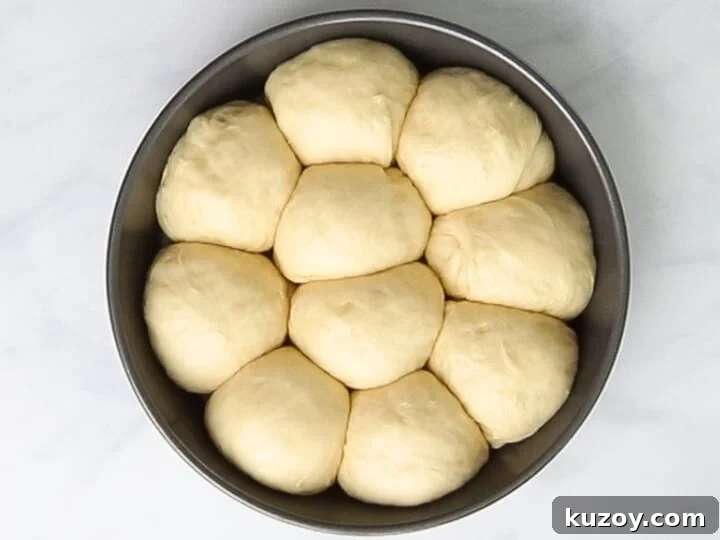
- Arrange the rolls in a baking pan about 1 cm apart and let them proof until doubled. Preheat the oven to 350°F (175°C) as they finish proofing.
- Bake for 20–25 minutes, or until the crust is a deep golden brown.
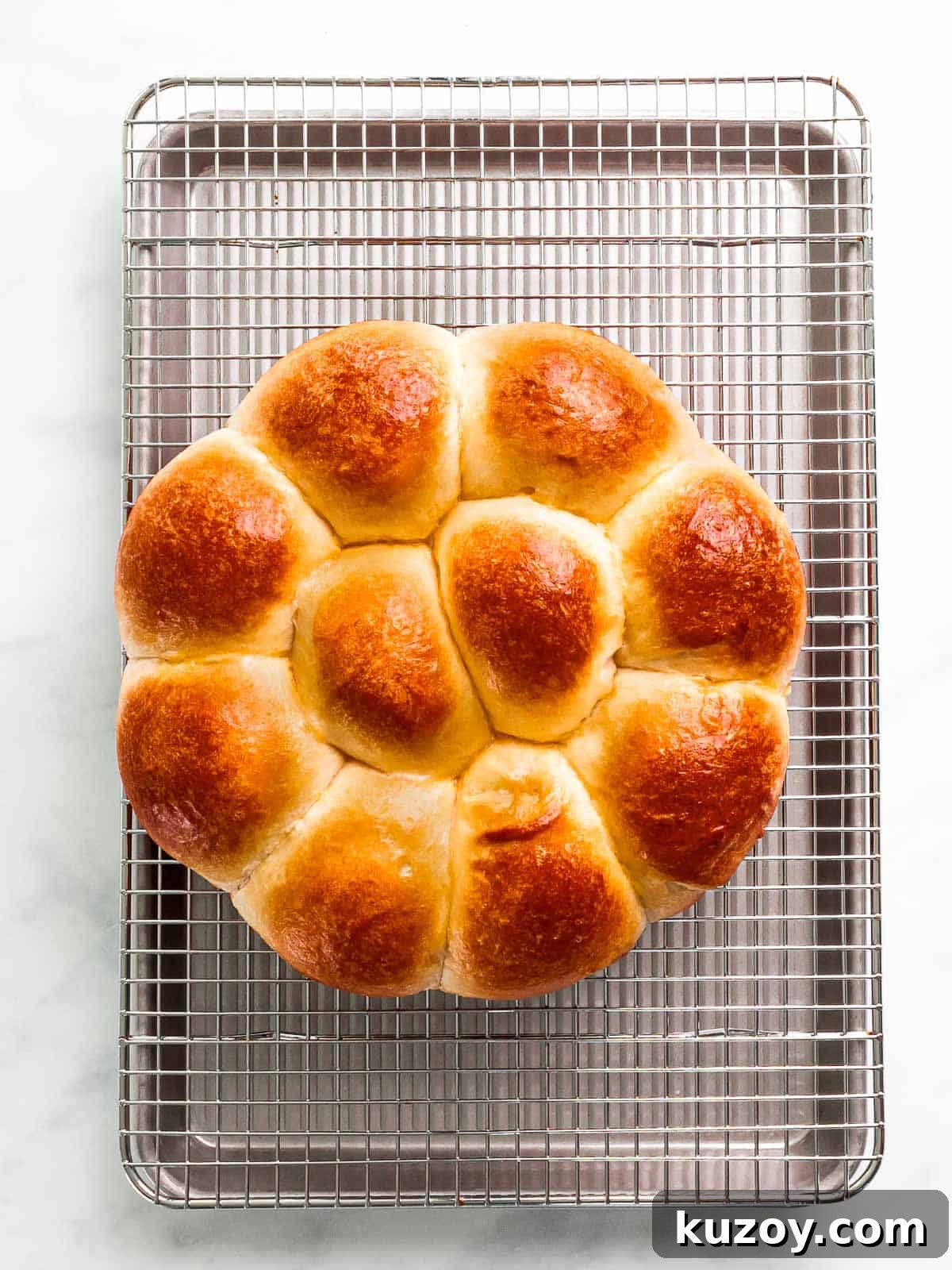
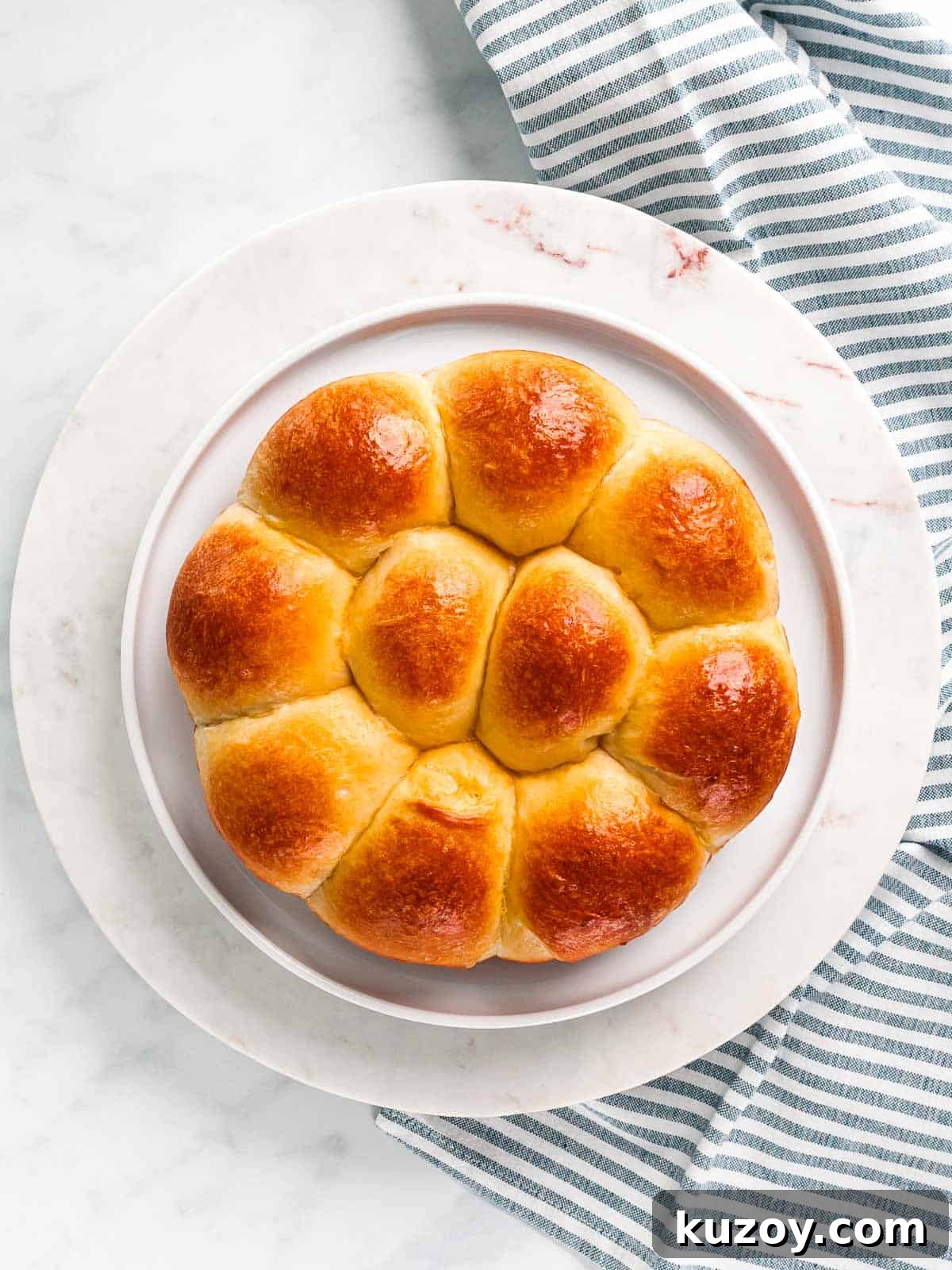
- For a glossy finish, brush the rolls with an egg wash immediately after removing them from the oven: beat an egg and lightly brush the hot rolls—the residual heat will set the wash and add shine.
- Transfer the rolls to a cooling rack to rest briefly.
- Serve warm with butter and honey for added sweetness.
Recipe tips
- Make sure the butter is softened before adding it to the dough; cutting it into small pieces speeds mixing.
- Brioche dough can be sticky. Work quickly in a cool environment so the butter doesn’t melt. If needed, chill briefly for easier handling.
- When shaping rolls, form a tight surface to encourage good oven spring. Drag the dough across the board and tuck excess dough underneath to create a smooth top.
FAQ
Store brioche in an airtight container. For best results, freeze in a freezer-safe container for up to 2 months. If refrigerating, enjoy within 2–3 days to avoid staling.
Reheat in a toaster oven at 350°F until warm and tender, or microwave in 20-second increments until heated through.
I hope you enjoy this recipe! Please share or comment to let me know how your rolls turned out.
Thanks so much for stopping by! —Jamie
Want more? Check out these other recipes:
Baked Goods
Soft and Fluffy Japanese Milk Bread
Sourdough Recipes
Sourdough Focaccia with Rosemary and Parmesan
Sourdough Recipes
Sourdough Ciabatta
Sourdough Recipes
Soft Pumpkin Sourdough Bread

Soft and Buttery Brioche Rolls
Rate
Equipment
-
Kitchen Scale
Ingredients
- 2 cups bread flour
- 2 eggs
- ½ cup butter, room temperature
- ⅓ cup water
- 2¾ Tablespoons milk powder
- 3⅔ Tablespoons sugar
- 3¼ teaspoons active dry yeast
- ⅞ teaspoon sea salt
- ¾ teaspoon rum or brandy, (optional)
Instructions
-
Mix: Cut the butter into small pieces and allow to soften. Add the other ingredients to a stand mixer and mix on medium until incorporated. Add half the butter, mix on high until incorporated, then add the rest and continue until the dough forms a smooth ball.

-
Test for gluten development: When the dough is smooth, perform the windowpane test: stretch a small piece until it becomes translucent without tearing.
-
Proof: Shape the dough into a loose ball and proof in a clear container in a warm, humid place until doubled in size.
-
Bench rest: Divide into 10 pieces and roll into balls. Rest loosely covered for 15 minutes.
-
Shape: Tighten each ball by dragging it across the board and tucking excess dough underneath. Place rolls in a pan about 1 cm apart.
-
Final proof: Proof until doubled, then preheat the oven to 350°F.
-
Bake: Bake at 350°F for 20–25 minutes until golden brown. Optionally brush with an egg wash right after removing from the oven for extra shine. Remove from the pan and cool on a rack. Serve warm with honey and butter.

Notes
I recommend using metric measurements and a kitchen scale for consistent results. Switch to Metric under the ingredients to view gram amounts.
Makes 10 rolls in a 9-inch round pan.
- Proofing environment: If you don’t have a proofer, create a warm, humid space. Options include:
- Oven method: Place the dough on the top rack and an empty pan on the lower rack. Pour boiling water into the lower pan to create humidity and close the oven door. Leaving the oven light on can add warmth.
- Insulated cooler: Add hot water to an insulated cooler and place the dough above it (not in the water) to create a warm, humid chamber—an excellent home proofing method.
Recipe tips:
- Ensure butter is softened before adding; small pieces incorporate faster.
- If the dough becomes sticky, work in a cool environment or chill briefly to firm the butter.
- Shape tight rolls for the best oven spring by tucking excess dough underneath to create a smooth surface.
Nutrition
Nutrition information is an approximation.
Like this? Leave a comment below!