
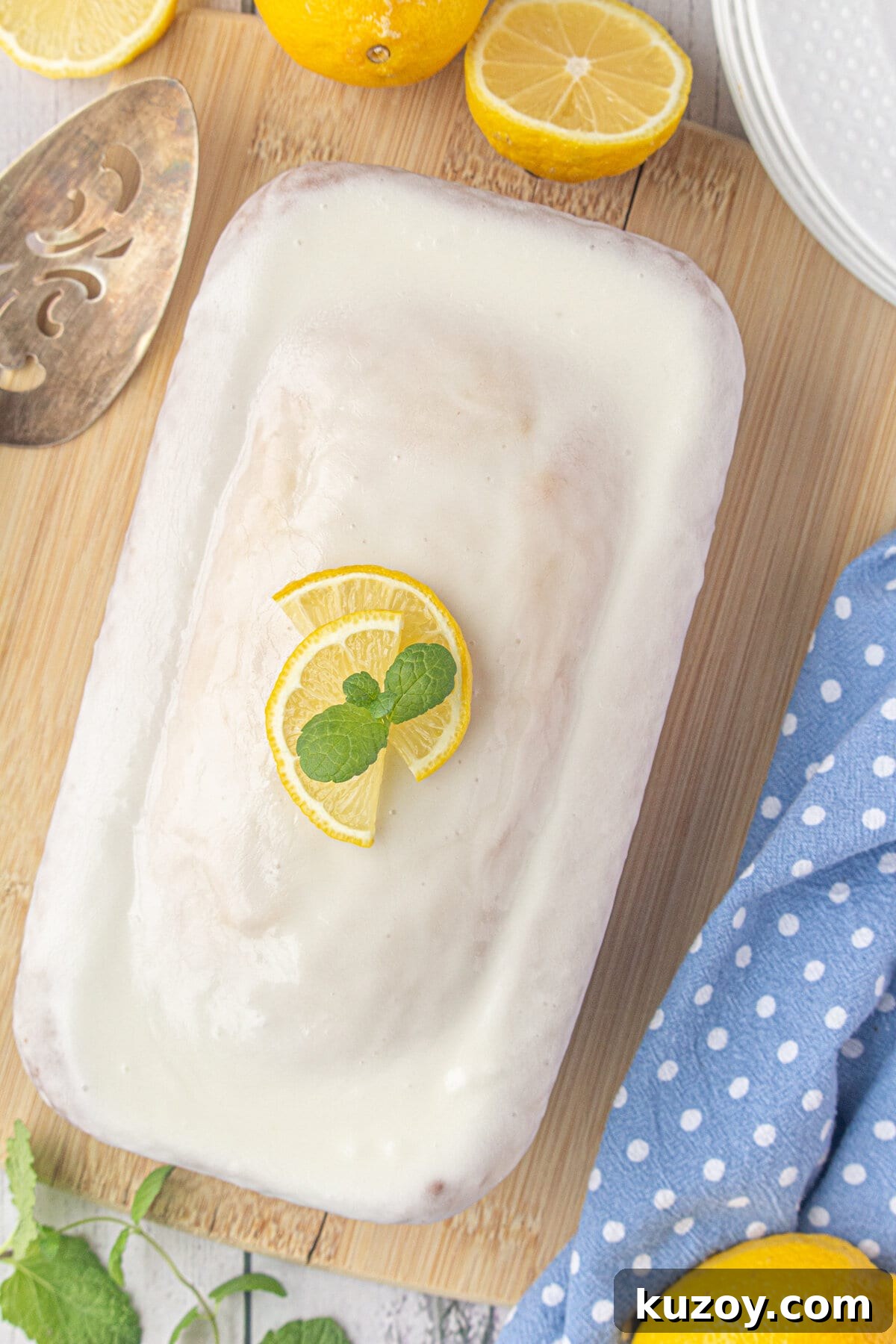
I am obsessed with the lemon loaf at Starbucks — it’s incredibly moist, buttery, and bursting with bright lemon flavor. If you love quick breads and pound cakes, this copycat lemon loaf delivers the same tangy, tender crumb and a glossy lemon glaze that makes each slice irresistible.

Save this recipe by clicking the heart on the recipe card.
🗝️ Key takeaways
- This copycat Starbucks lemon loaf is made with simple pantry ingredients and balances sweet and tart for a classic lemony treat.
- Enjoy a slice for breakfast, brunch, or dessert; loaf cakes make thoughtful gifts, too.
- This version uses buttermilk for added tang and a super moist crumb; sour cream or Greek yogurt can be substituted if needed.
Fresh lemon juice, lemon zest, and a hint of lemon extract combine to create a bright, flavorful loaf. It’s straightforward to make and perfect for lemon lovers who want a bakery-style cake at home.
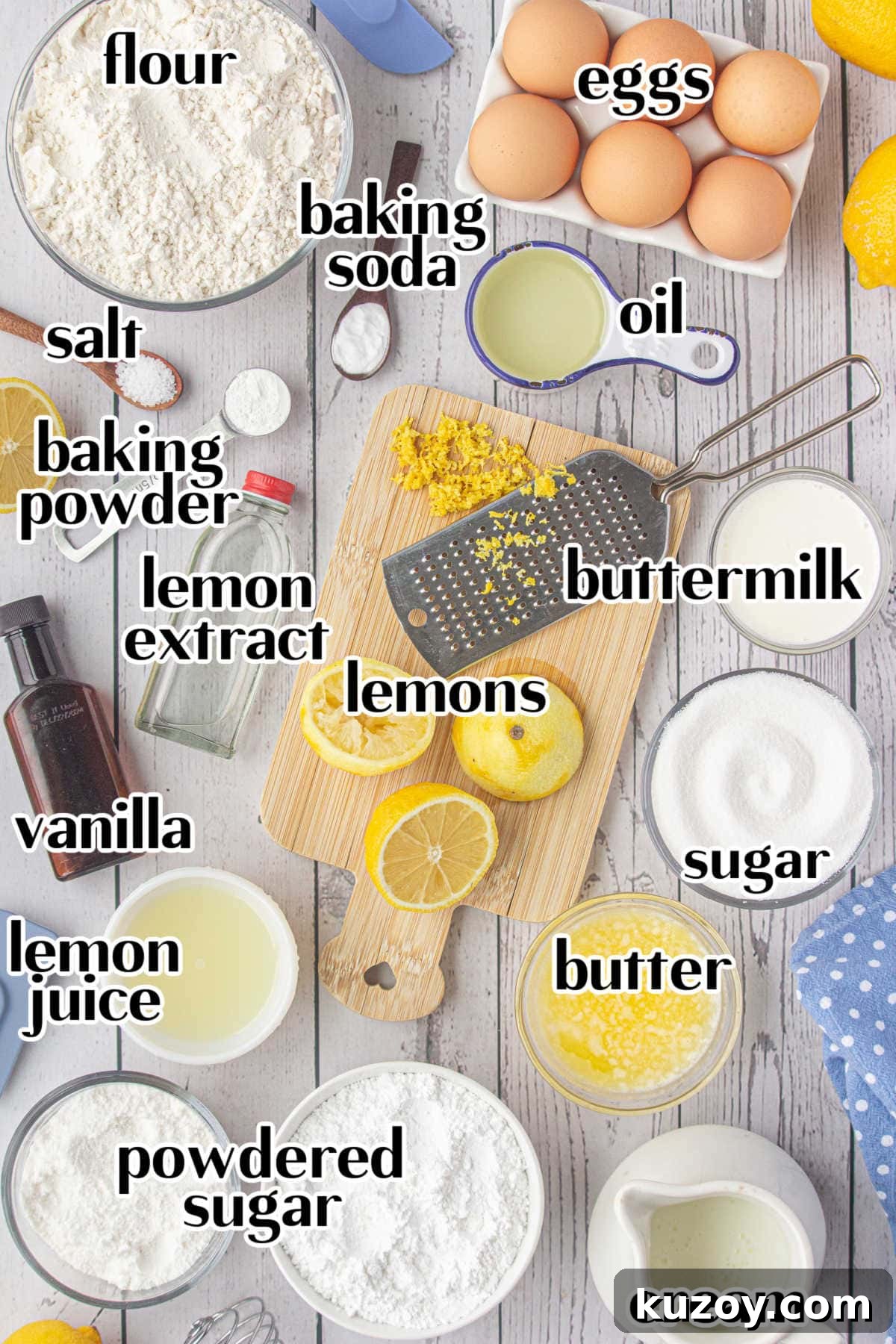
🧾 Ingredients
This section lists the ingredients. Full measurements and step-by-step directions are in the recipe card below.
📖 Recipe

Copycat Starbucks Lemon Loaf
Ingredients
Lemon Loaf
- 1 ½ cups all-purpose flour
- 1 teaspoon baking powder
- ¼ teaspoon baking soda
- ¼ teaspoon salt
- ¼ cup butter, melted and cooled to room temperature
- ¼ cup vegetable oil
- 1 cup granulated sugar
- 3 eggs
- 1 teaspoon vanilla extract
- ½ teaspoon lemon extract
- 1 ½ tablespoon lemon zest
- 2 tablespoons lemon juice
- ½ cup buttermilk
Lemon Icing
- 1 cup powdered sugar (add more if needed)
- 1 tablespoon lemon juice
- ½ teaspoon lemon extract
- 1-2 tablespoons cream (as needed for consistency)
Instructions
Lemon Loaf
- Preheat the oven to 350°F. Grease and flour a 9×5-inch loaf pan.
- Whisk together the flour, baking powder, baking soda, and salt; set aside.
- Beat the granulated sugar and eggs on medium speed for 2 minutes.
- Mix in the melted butter and vegetable oil.
- Add the vanilla, lemon extract, lemon zest, and lemon juice and combine.
- Stir in the buttermilk until evenly incorporated.
- Add one-third of the dry ingredients to the wet ingredients and mix. Continue adding the remaining dry ingredients in portions until just combined — don’t overmix.
- Spoon the batter into the prepared loaf pan and smooth the top.
- Bake for 45–50 minutes, or until a toothpick inserted in the center comes out clean. The internal temperature should read about 200°F.
- Cool completely on a wire rack before adding the glaze.
Lemon Icing
- Whisk together powdered sugar, lemon extract, lemon juice, and cream until smooth.
- Adjust with more powdered sugar or cream to reach your desired glaze consistency, then drizzle over the cooled loaf.
Notes
Store leftover lemon loaf in an airtight container at room temperature for up to four days. Refrigeration will dry the cake.
This loaf freezes well. If frosted, flash-freeze whole or sliced pieces on a sheet pan for 2–3 hours, then wrap in plastic and foil before placing in a freezer bag or container. Unfrosted loaves can be wrapped and frozen without flash-freezing. Freeze up to six months; thaw in the fridge overnight or at room temperature.
Tips:
- Bring eggs and buttermilk to room temperature and cool the melted butter slightly before mixing to prevent curdling.
- Use a neutral oil (vegetable or canola); olive oil will change the flavor.
- This recipe is sized for a 9×5-inch loaf pan. An 8×4-inch pan will yield a thicker loaf and require longer baking time.
- Wait until the loaf is completely cool before glazing so the icing sets properly.
Nutrition Facts
Carbohydrates: 59 g |
Protein: 5 g
Nutrition information is estimated as a courtesy. Verify with your own calculator for medical needs.
This recipe has been tested several times. Substituting ingredients or techniques may change the results.
📖 Variations
- Increase lemon zest for a brighter, more intense lemon flavor or omit lemon extract for a subtler profile.
- Replace lemon extract in the glaze with 1–2 teaspoons of lemon zest for a fresher taste.
- Try Meyer lemons for a sweeter, less acidic loaf.
- Swap lemon for other citrus (orange or lime) using corresponding zest and juice.
- If you don’t have buttermilk, sour cream or plain Greek yogurt can be used instead.
🔪 Instructions (overview)
This overview highlights the main steps. See the recipe card above for full details and exact measurements.
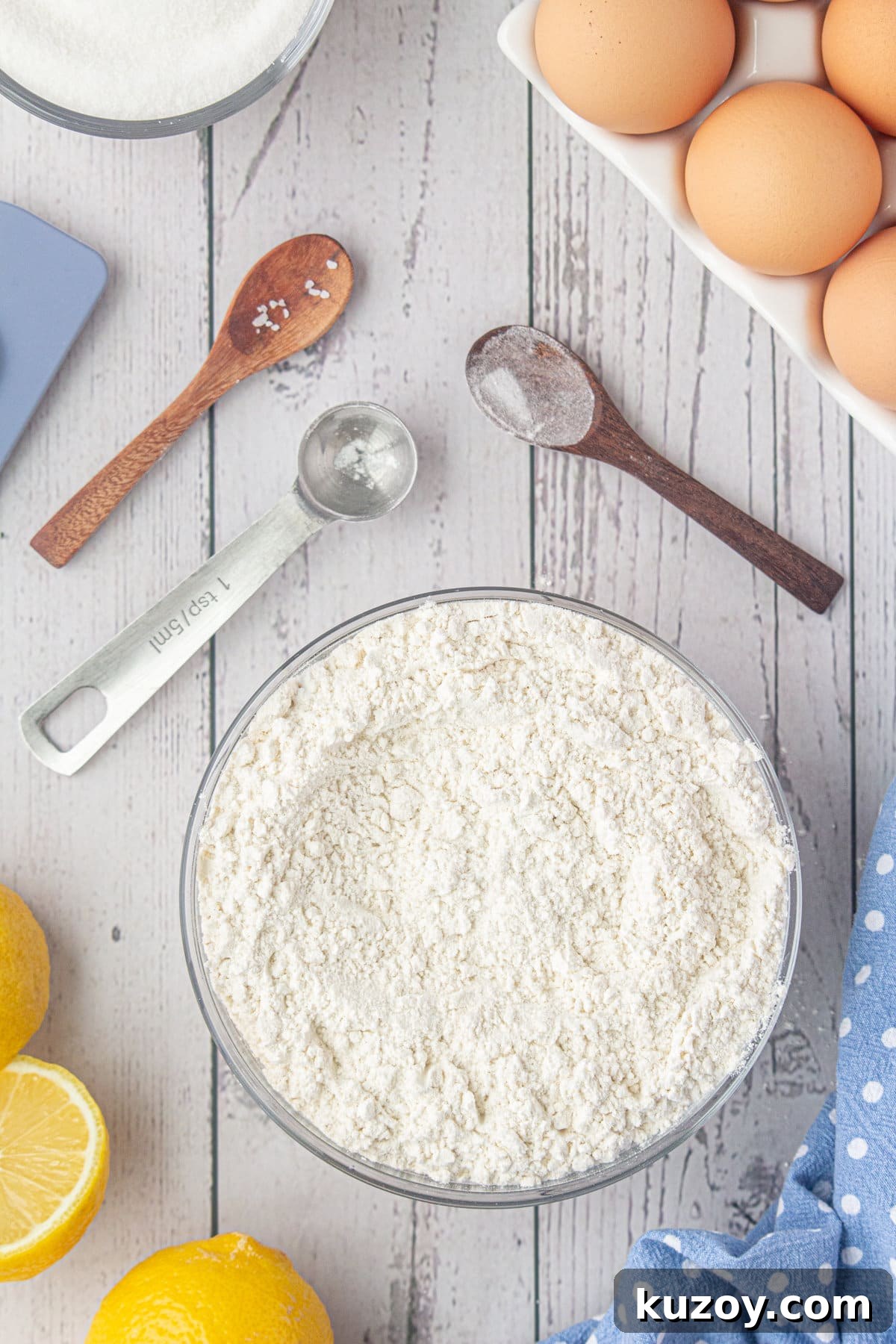
Whisk the flour, baking powder, baking soda, and salt together in a medium bowl.

Beat the eggs and sugar, then add melted butter, oil, extracts, zest, and lemon juice.
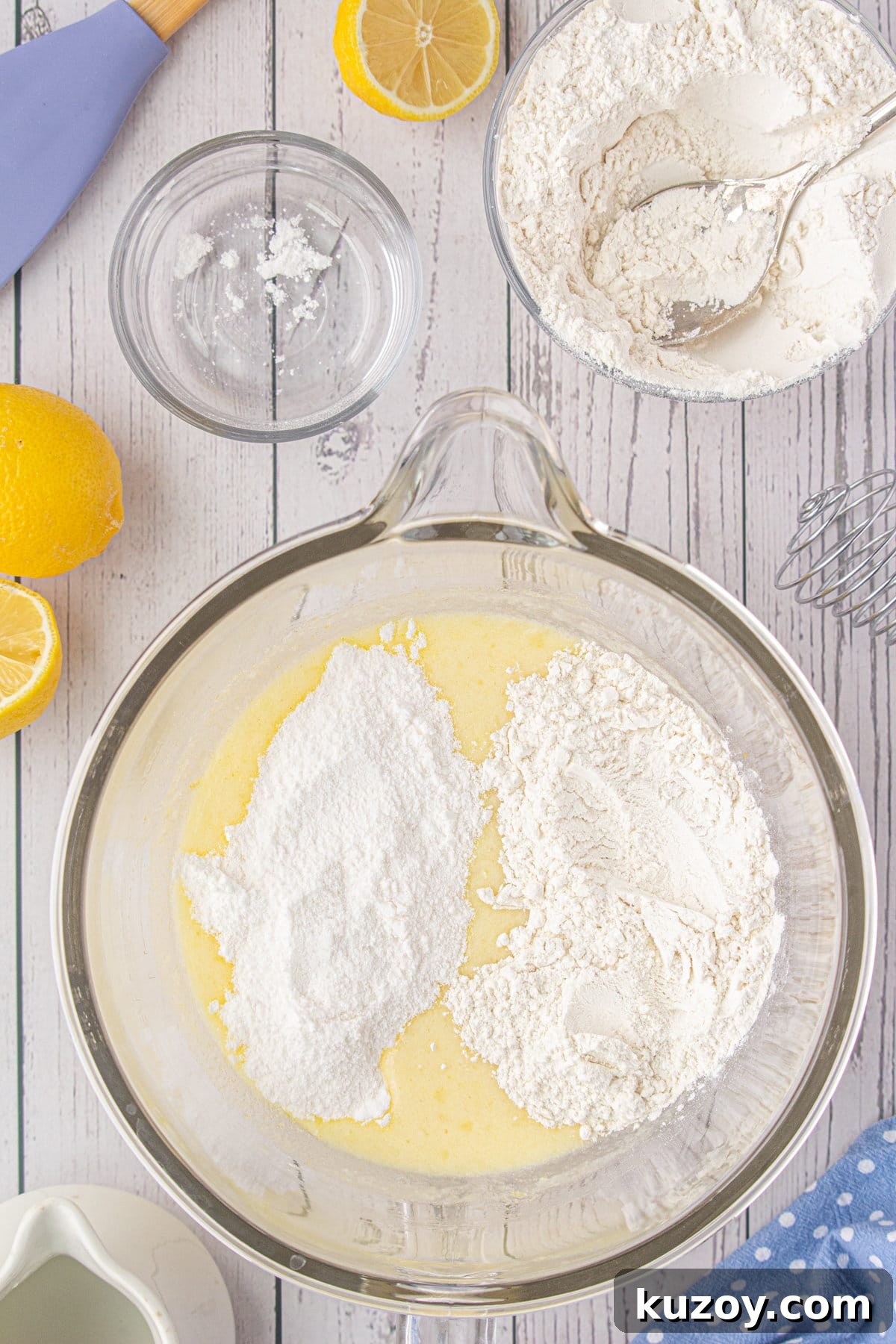
Fold the dry ingredients into the wet mixture in thirds, mixing until just combined.
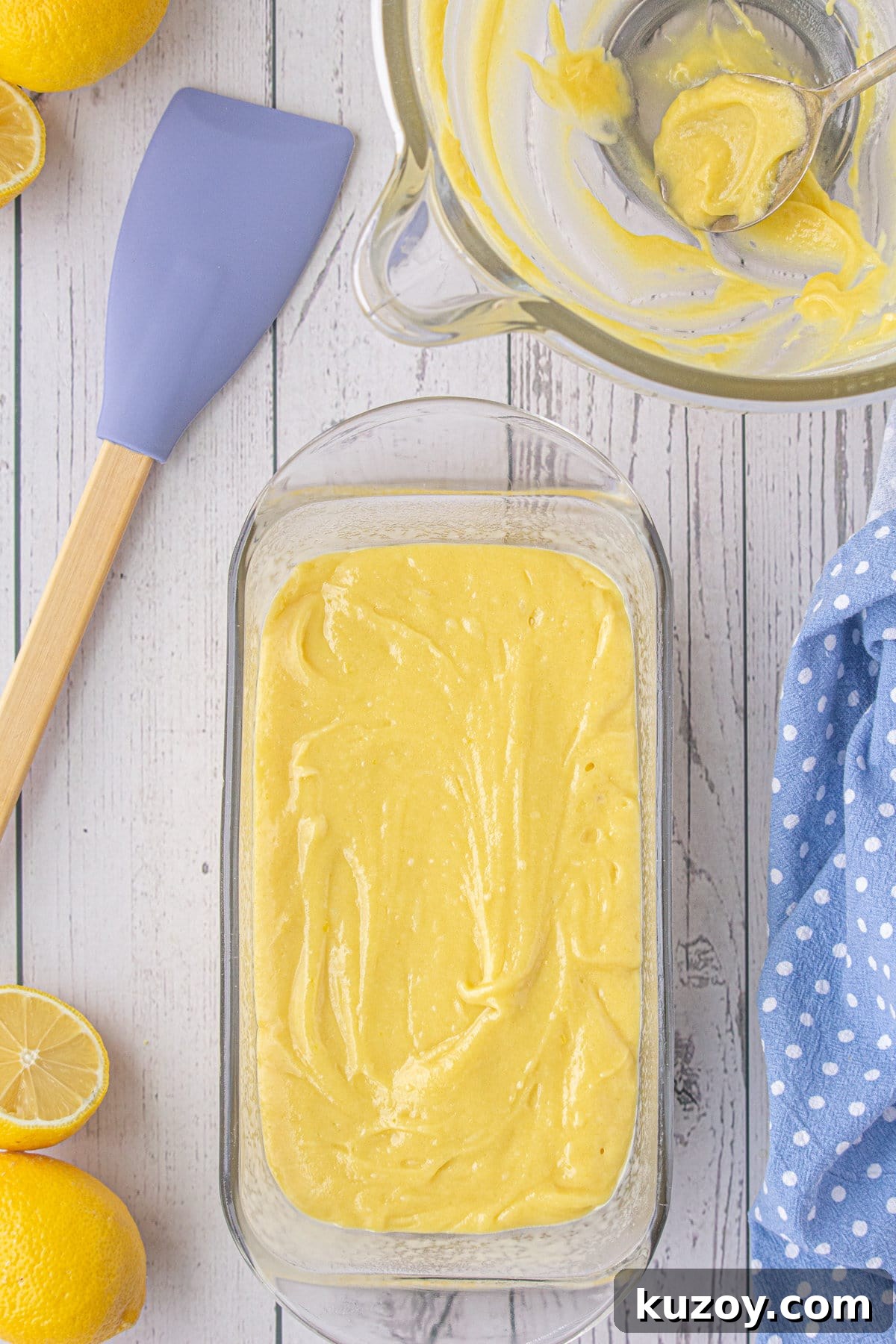
Transfer batter to the prepared pan and bake until golden and set.
🍴 Equipment
- 9″x5″ loaf pan
- Hand mixer or stand mixer
🥫 How to store leftovers
Keep leftover lemon loaf in an airtight container at room temperature for up to four days. Refrigeration dries the cake.
To freeze, flash-freeze frosted slices or the whole loaf on a sheet pan for 2–3 hours, then wrap in plastic and foil and place in an airtight container. Unfrosted loaves can be wrapped and frozen without flash-freezing. Freeze up to six months and thaw overnight in the fridge or at room temperature.
Expert tip:
Always use freshly squeezed lemon juice for the best flavor — bottled juice often tastes artificial and can be bitter.
💭 Things to know
- A citrus zester makes quick work of grating lemon peel into fine shreds.
- Bring cold ingredients to room temperature and cool melted butter before combining to avoid curdling.
- Grease and flour the loaf pan thoroughly to prevent sticking.
- Cover the top with foil if it browns too quickly while baking.
- The loaf is done when a toothpick comes out clean, the top feels firm, and the internal temperature reaches about 200°F.
- Cool the loaf on a wire rack to avoid a soggy bottom and wait until it’s fully cool before glazing.
- Sift powdered sugar into the glaze to prevent lumps and adjust cream or sugar for the desired consistency.
👩🍳 FAQs
Both — this lemon loaf sits between a quick bread and a moist pound cake in texture and flavor.
Fresh lemon juice is best for bright, natural flavor. Bottled juice often tastes artificial due to preservatives.
No. Lemon oil is far more concentrated than extract and will overpower the recipe; use lemon extract for balanced flavor.
Divide the batter into three or four 3×5-inch mini loaf pans and reduce baking time to about 35–40 minutes, checking doneness with a toothpick.
Medium lemons yield about 2 tablespoons juice and 1 tablespoon zest each; you’ll need about two medium lemons or one large for this recipe.

📚 Related recipes
- Lemon Sheet Cake with Whipped Lemon Frosting — an easy, crowd-pleasing cake with light frosting.
- Lemon Bundt Cake — dense and moist, made with buttermilk and pudding mix for great texture.
- Lemon Blueberry Scones with Lemon Glaze — buttery scones loaded with lemon flavor and berries.
📞 The last word
This easy copycat recipe will save you money and tastes like a bakery loaf at home. Adjust the servings in the recipe card to scale the ingredients up or down.
If you make this recipe, please comment and give it 5 stars! ⭐️⭐️⭐️⭐️⭐️