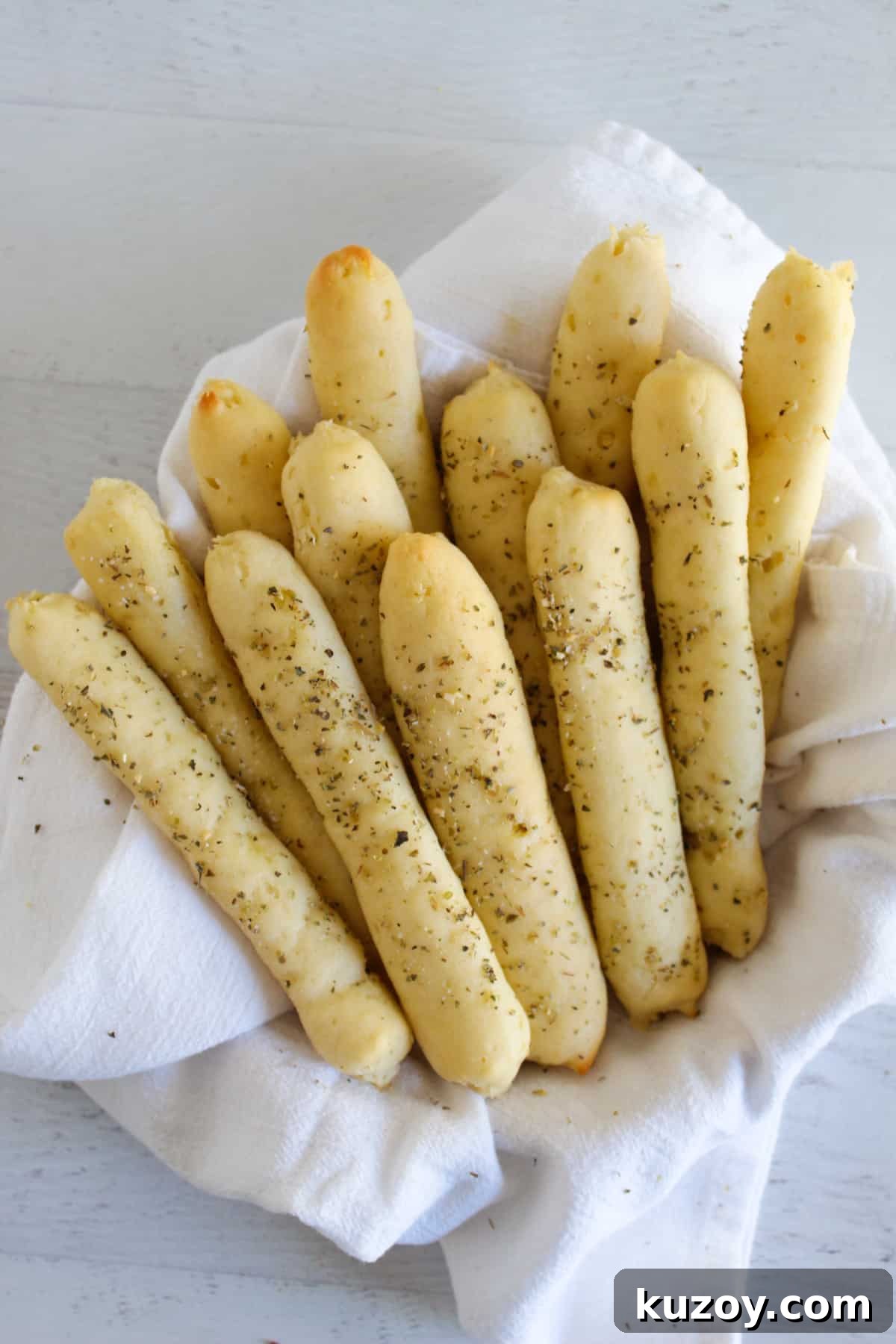
Nothing beats warm, buttery, gluten-free breadsticks for soaking up soup or dipping into sauce. Yet many gluten-free recipes trade softness for structure, leaving you with something closer to a cracker than a pillowy breadstick.
If that sounds familiar, you’re not alone. The good news: in just 45 minutes you can make soft, restaurant-style gluten-free breadsticks that are golden on the outside, fluffy on the inside, and so tasty no one will guess they’re gluten-free.
Table of Contents
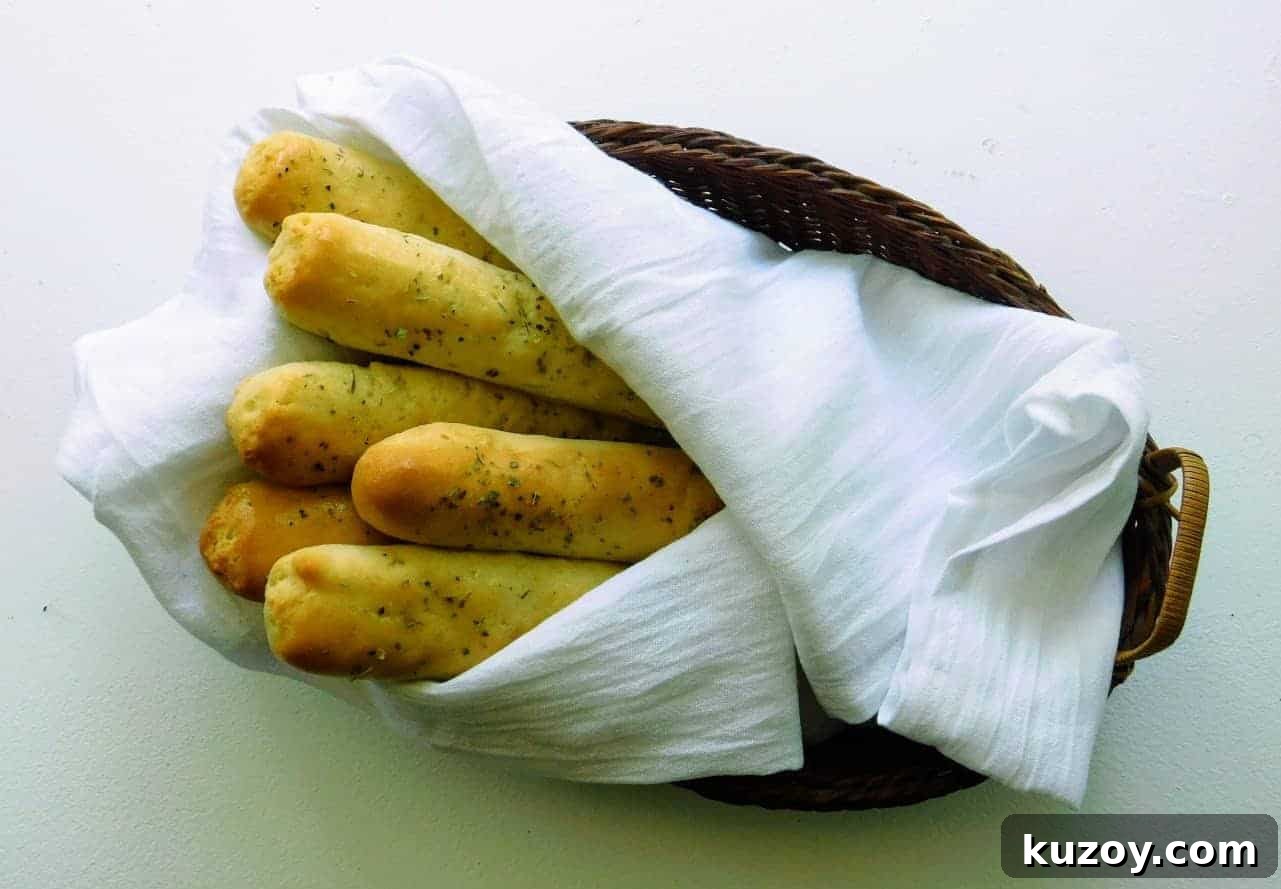
Looking for more quick gluten-free treats? Try our Peanut Butter Cookies for a simple, five-ingredient snack that comes together fast.
In this article you’ll learn everything needed to make these gluten-free breadsticks at home. By the end you’ll know how to bake warm, satisfying breadsticks you can serve straight from the oven.
Why You’ll Love These Gluten-Free Breadsticks
These breadsticks are soft, flavorful, easy to make, and incredibly satisfying. Whether you serve them with dinner, enjoy them as a snack, or dip them into your favorite sauces, they’ll likely become a regular recipe in your kitchen.
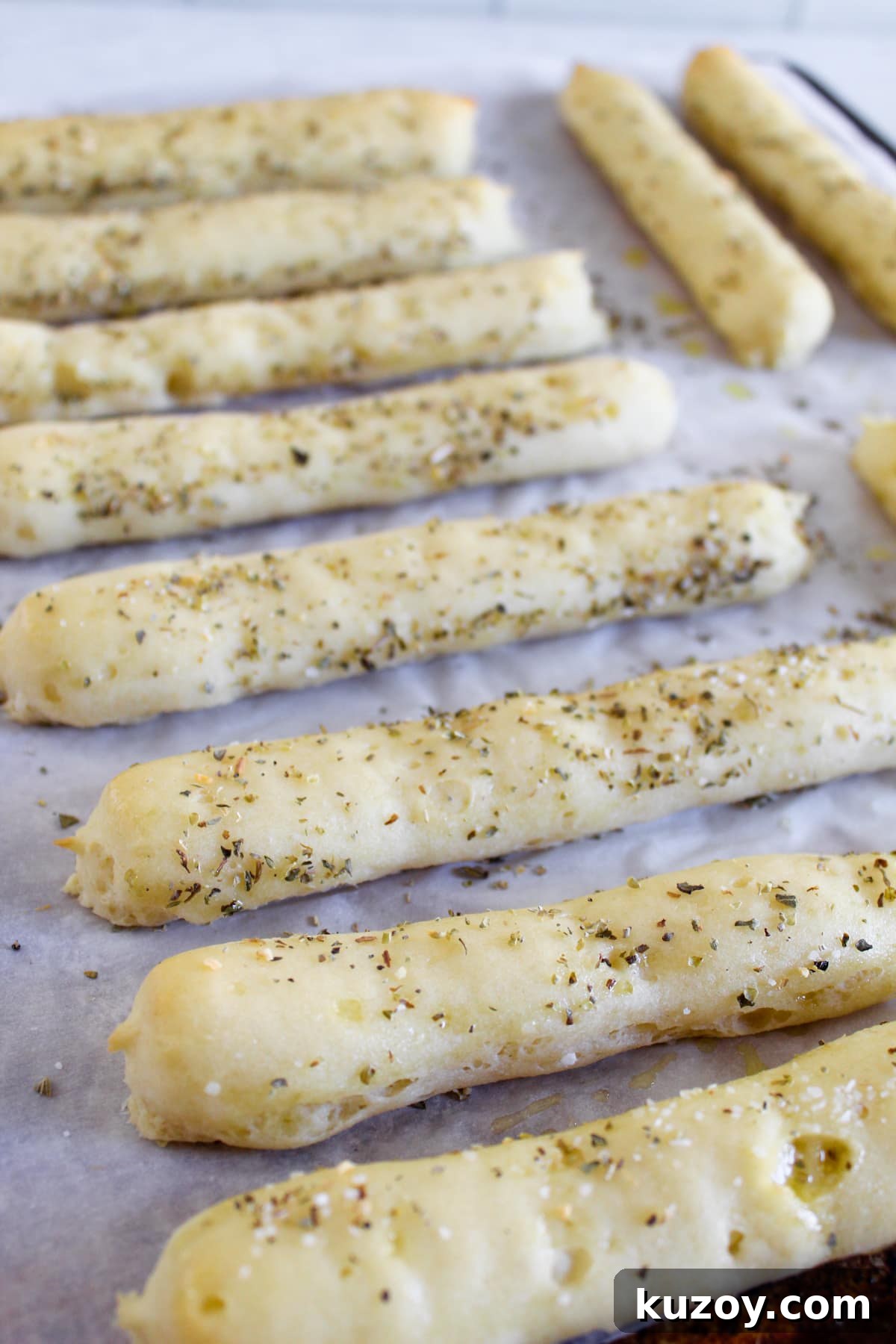
They’re surprisingly simple to prepare. Even if it’s your first time making homemade breadsticks, the process is straightforward: the dough comes together quickly, and shaping it into thin logs is easier than you might expect.
The dough is enriched with olive oil for added depth and finished with Italian seasoning for a fragrant, savory flavor in every bite.
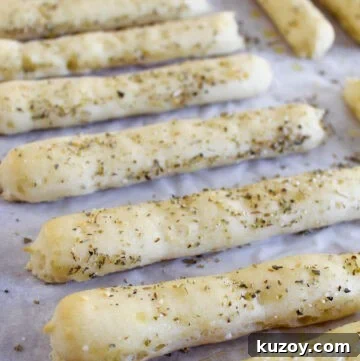
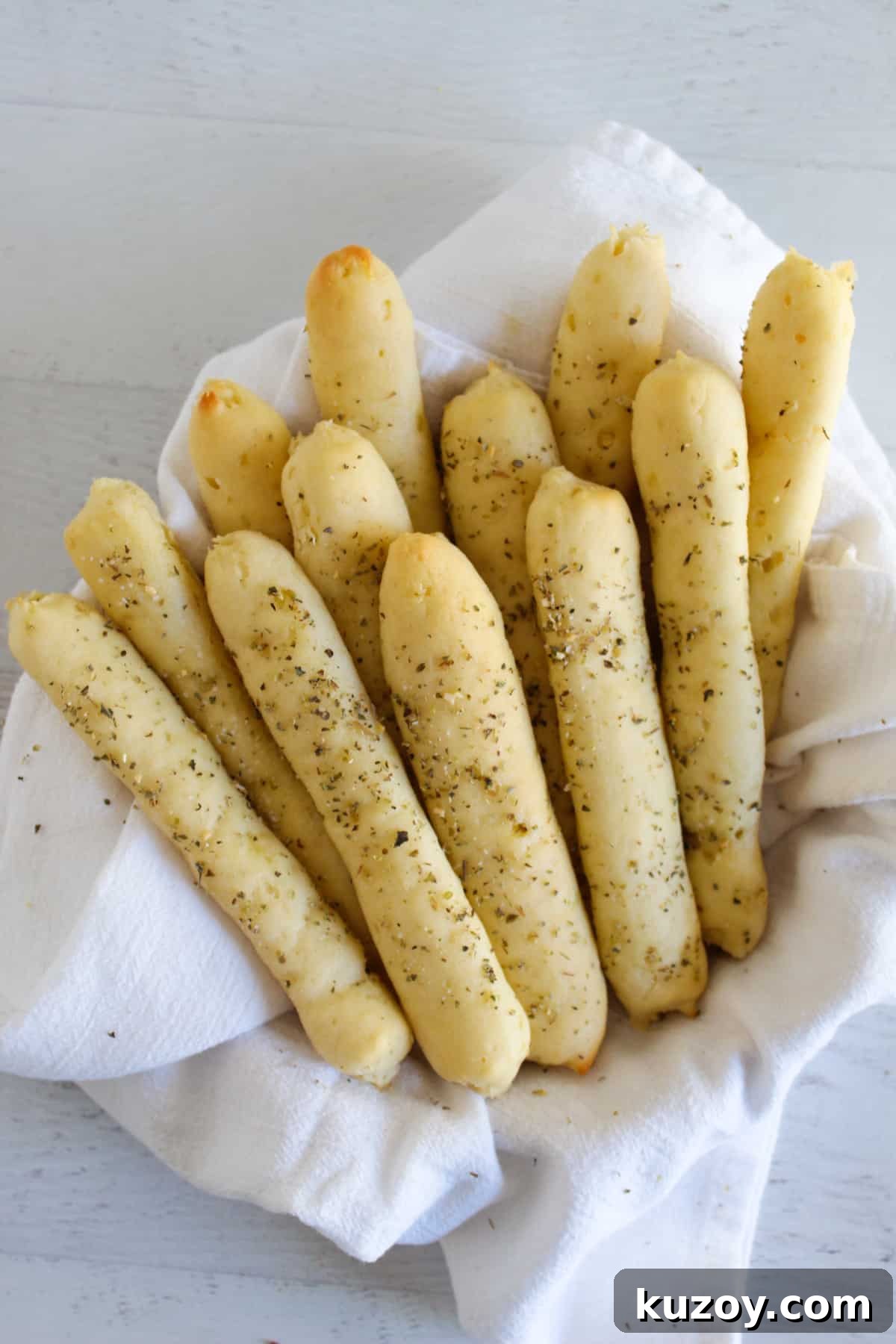
Brushed with garlic butter or olive oil after baking, they have a soft, chewy interior and a lightly crisp exterior. They hold up well even a day or two later.
Ingredient Quick Scan List
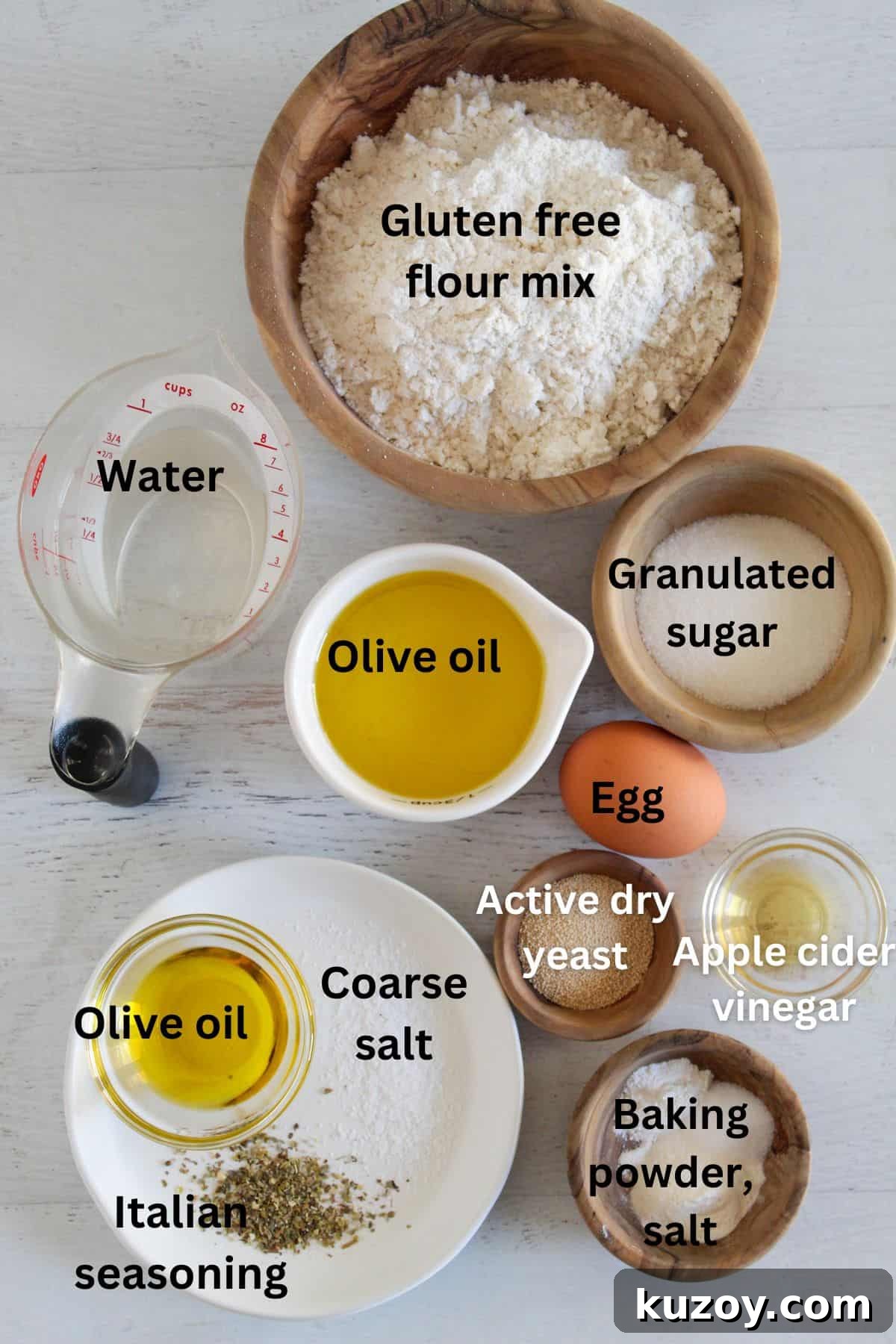
These common ingredients come together with simple steps to create soft, flavorful gluten-free breadsticks:
- Water
- Active dry yeast
- Granulated sugar
- Gluten-free flour blend
- Xanthan gum
- Salt
- Baking powder
- Egg
- Olive oil
- Apple cider vinegar
- Italian seasoning
- Coarse salt
Ingredients and What They Do
Understanding each ingredient helps you get consistent results. Below is a concise explanation of how the main components affect flavor, texture, and structure.
Dry Ingredients
The dry ingredients create the structure, lift, and soft texture that make the breadsticks tender instead of dense or crumbly.
Gluten Free Flour Mix
A cup-for-cup gluten-free flour blend (typically rice flour plus starches) serves as the foundation. Because gluten-free flours lack elasticity, the right balance of flours and starches helps mimic traditional bread texture. If your blend already contains xanthan gum, reduce or omit additional gum.
| Flour blend type | Expected result |
|---|---|
| Cup-for-cup blend with xanthan gum | Best structure; may not need extra gum |
| Homemade blend without binder | Add xanthan gum |
| Almond/coconut flour | Not recommended as a 1:1 swap |
Granulated Sugar
Sugar activates the yeast for a lighter crumb, balances savory flavors, and helps retain moisture so the breadsticks stay soft rather than dry.
Baking powder
Baking powder gives extra lift by releasing carbon dioxide during baking, creating air bubbles that make the crumb taller and fluffier.
Salt
Salt enhances flavor, firms the dough for easier shaping, and helps produce a crisper exterior while keeping the interior soft.
Xanthan Gum
Xanthan gum acts as a binder and thickener, improving chewiness, moisture retention, and overall texture—especially important in gluten-free rolls and breadsticks.
Active Dry Yeast
Yeast is the primary leavening agent, fermenting sugar in warm water to release carbon dioxide and create a light, airy crumb.
Italian Seasoning
Italian seasoning adds an aromatic, herbaceous profile that pairs well with garlic butter, olive oil, and coarse salt.
Coarse Salt
A finishing sprinkle of coarse salt adds texture, visual appeal, and bursts of savory flavor when applied to warm breadsticks.
Wet Ingredients
Wet ingredients bind the dough, activate yeast, and provide the moisture necessary for soft, fluffy breadsticks.
Warm Water
Water at 100–110°F rehydrates yeast and kickstarts fermentation while dissolving dry ingredients into a smooth, sticky batter.
Olive oil
Olive oil adds richness and encourages a golden crust. Use melted butter instead for a richer garlic-bread flavor, or keep olive oil for a lighter, dairy-free option.
Egg
Eggs bind and help the dough rise: proteins set during baking to hold the loaf together while trapped air increases volume.
Apple Cider Vinegar
A touch of vinegar improves rise and tenderness by reacting with baking powder and yeast to release extra CO2.
Substitutions Table
Here are practical swaps to match dietary needs while preserving texture and rise:
| Ingredient | Substitution | What It Offers |
|---|---|---|
| Gluten-free flour blend | Store-bought blend | Preserves chew; adjust xanthan if needed |
| Granulated sugar | Honey or maple syrup | Similar yeast activation; slightly different flavor |
| Active dry yeast | Instant yeast | No proofing required; use same amount |
| Italian seasoning | ½ tsp oregano + ½ tsp basil | Custom herb mix |
| Coarse salt (topping) | Flaky sea salt | Same crunch and pop |
| Warm water | Warmed almond or oat milk | Dairy-free hydration |
| Olive oil | Melted vegan butter or coconut oil | Similar richness; coconut adds sweetness |
| Egg | Aquafaba or flax + water | Vegan binder (let gel) |
| Apple cider vinegar | Lemon juice or white vinegar | Equal acidity for tenderness |
These substitutions let you tailor the breadsticks to dietary needs without compromising texture.
More on Xanthan Gum
Xanthan gum is particularly effective at mimicking gluten’s texture for individual rolls and breadsticks. If you prefer alternatives, choose binders suited to your recipe, but xanthan is the simplest reliable option here.
Printable Gluten-Free Breadsticks Recipe Card
Ingredients
- ⅔ cup water, warmed to 100°F
- 2¼ teaspoons active dry yeast
- 2 Tablespoons granulated sugar (about 30 g)
- 2 cups gluten-free flour blend (about 260 g)
- ½ teaspoon xanthan gum
- ½ teaspoon salt
- ½ teaspoon baking powder
- 1 large egg
- ⅓ cup olive oil or melted butter
- 1 teaspoon apple cider vinegar
Topping
- 1 Tablespoon olive oil
- Sprinkling of Italian seasoning
- Sprinkling of coarse salt
Instructions
- Line a baking sheet with parchment and brush lightly with olive oil.
- Combine warm water, yeast, and sugar; set aside to proof for 5 minutes.
- Whisk flour blend, xanthan gum, salt, and baking powder in a large bowl or stand mixer.
- Add the egg, oil, vinegar, and yeast mixture to the dry ingredients.
- Mix on low speed 20–30 seconds, scrape the bowl, then mix on medium for 3 minutes.
- Scoop dough into a gallon-size plastic bag and cut a ¾-inch hole in one corner.
- Pipe 12 breadsticks onto the prepared pan in 7-inch-long tubes.
- Let the pan sit in a warm place to rise slightly, about 10 minutes.
- Preheat the oven to 375°F while the breadsticks rise.
- Bake 15–18 minutes or until the tops are lightly golden. Cool slightly.
- Brush with olive oil or melted butter, sprinkle with Italian seasoning and coarse salt, and serve warm.
Notes
- Ingredients should be at room temperature, except the warm water.
- Proof the yeast before adding it to the recipe.
- Use a plastic bag as a piping bag for uniform breadsticks.
- Serve warm for the best flavor and texture.
- Do not double the recipe in one batch; make two separate batches instead.
Storage Notes
- Store airtight at room temperature for up to 2 days for best texture, or up to 5 days if reheating.
- Freeze baked breadsticks up to 2 months.
- You can also prepare and freeze the dough for up to 3 months.
Nutrition
Calories: 160 kcal |
Carbohydrates: 20 g |
Protein: 2 g |
Fat: 8 g |
Sodium: 154 mg |
Fiber: 1 g |
Sugar: 2.5 g
Did you make and love this recipe? Give it your review and rating below!
How to Make The Easiest Gluten-Free Breadsticks
With a few simple ingredients and the right technique you’ll get breadsticks that are soft, chewy, and golden every time. Follow the steps above in the recipe card for bakery-style results with minimal effort.
Essential Kitchen Tools
Have these tools on hand for the best results:
- Mixing bowls or a stand mixer with paddle attachment
- Measuring cups and spoons
- Spatula for scraping sticky dough
- Baking trays lined with parchment
- Pastry brush for applying oil or butter
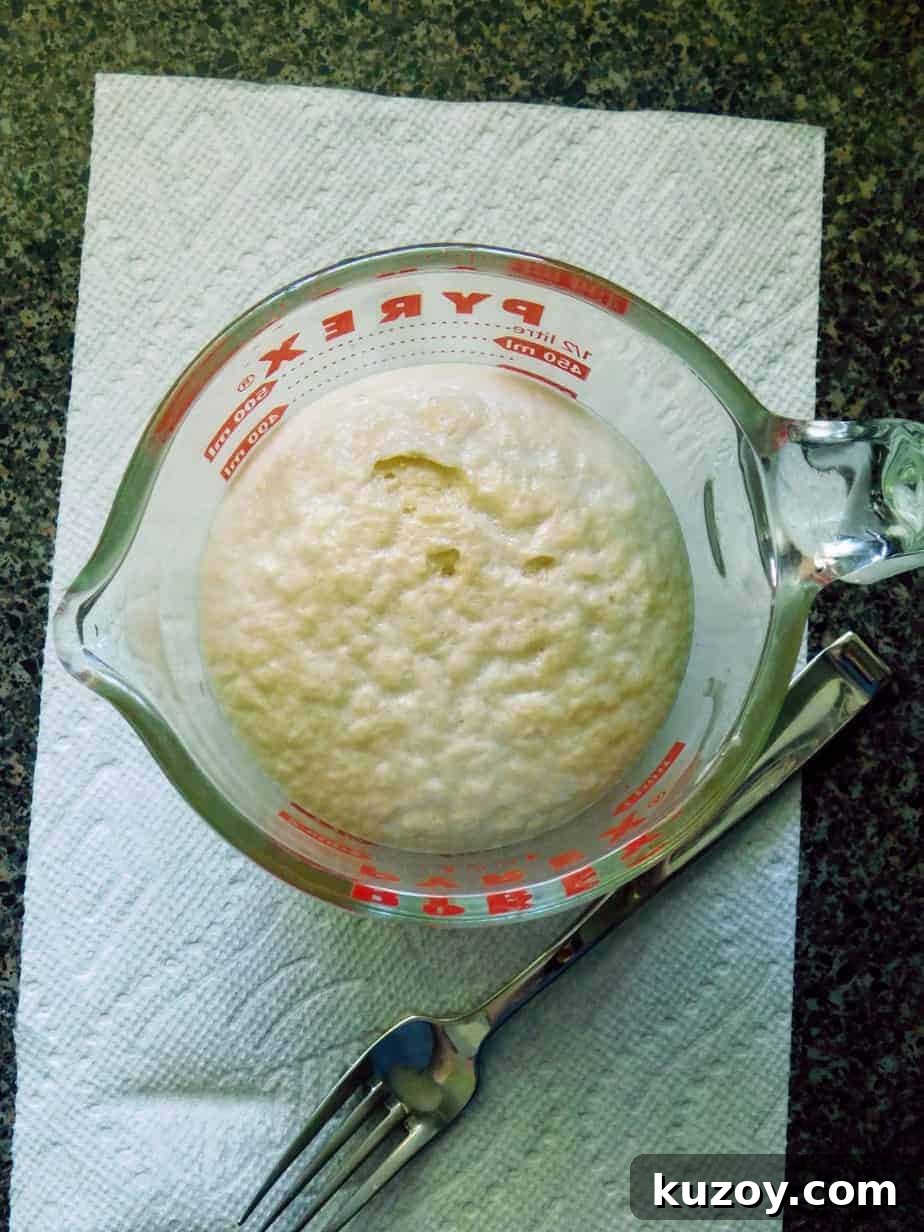
Step 1: Activate the dry yeast
Combine warm water and sugar, stir in active dry yeast, and let sit about 5 minutes until foamy.
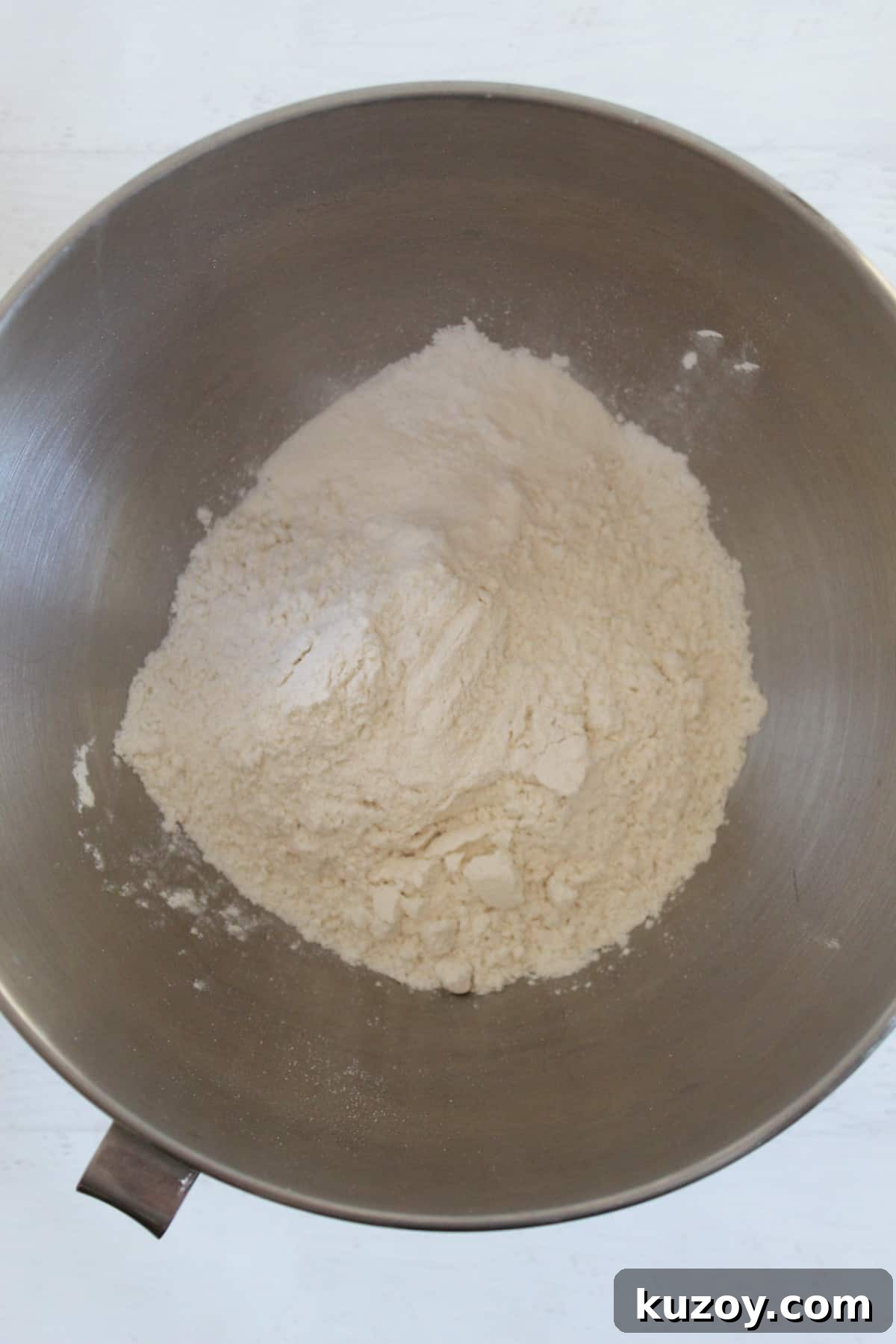
Step 2: Mix the dry ingredients
Whisk the gluten-free flour blend, xanthan gum, salt, and baking powder until evenly combined.
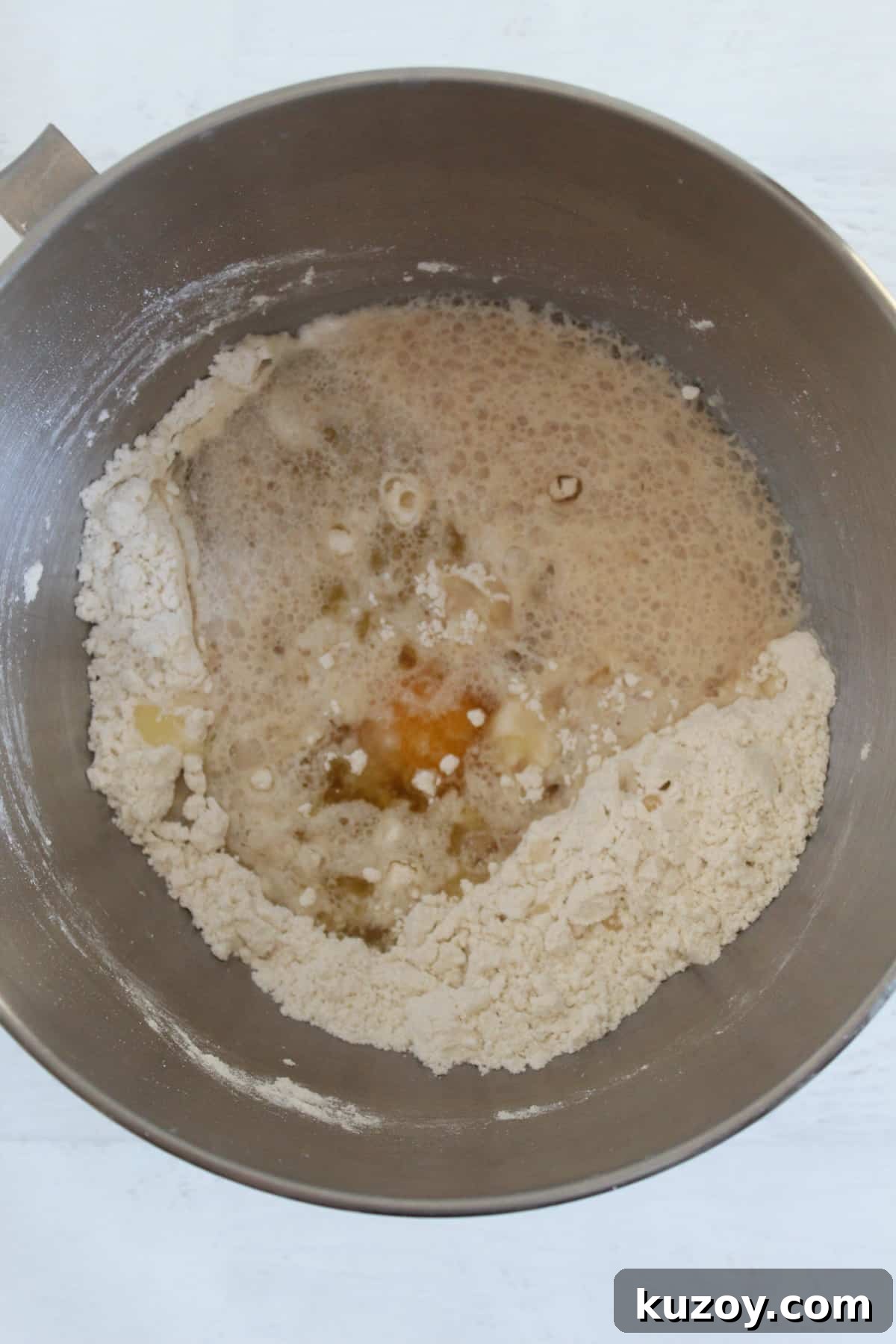
Step 3: Add the wet ingredients
Add the egg, oil, vinegar, and proofed yeast mixture to the dry ingredients.
Step 4: Stir together
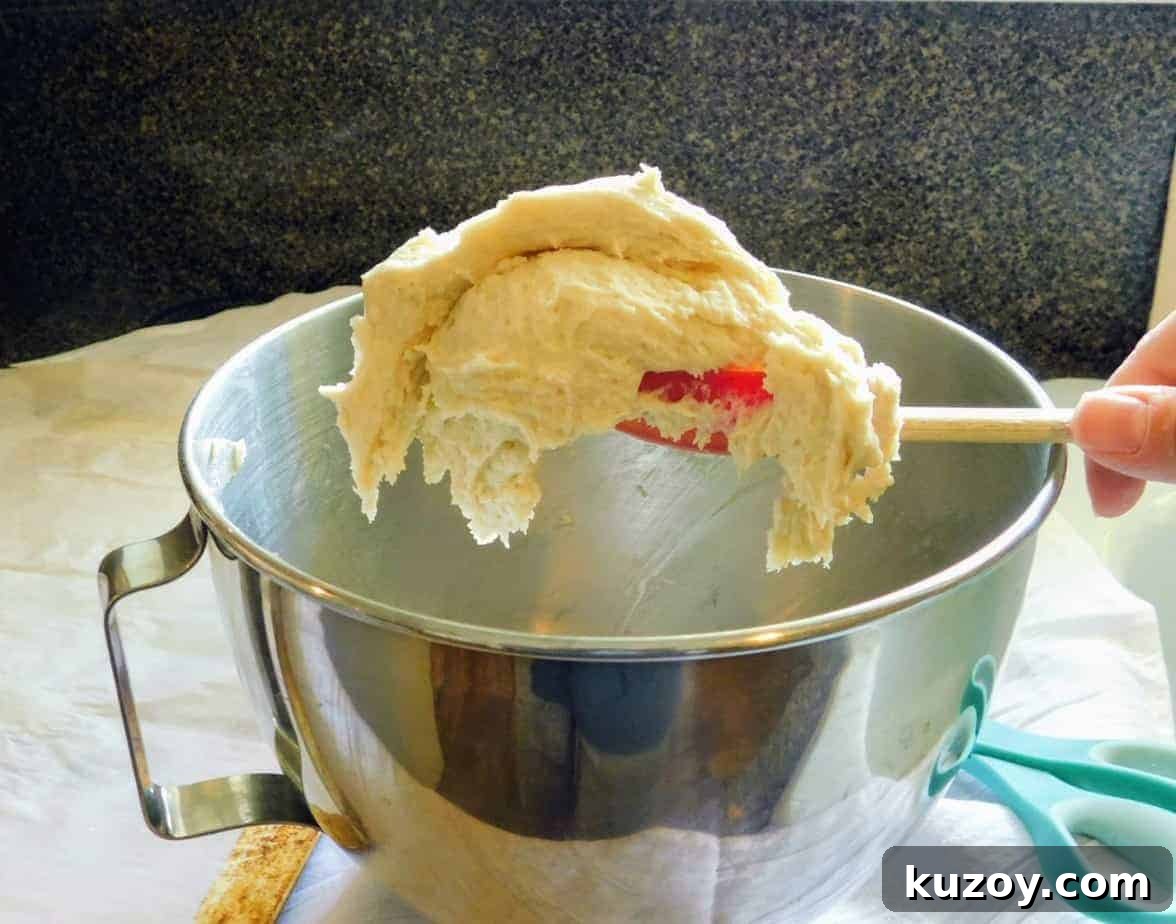
Mix on low for about 30 seconds, scrape the bowl, then mix on medium for 3 minutes. The dough will look like a thick cake batter—this is normal for gluten-free dough.
Step 5: Prepare to pipe the dough
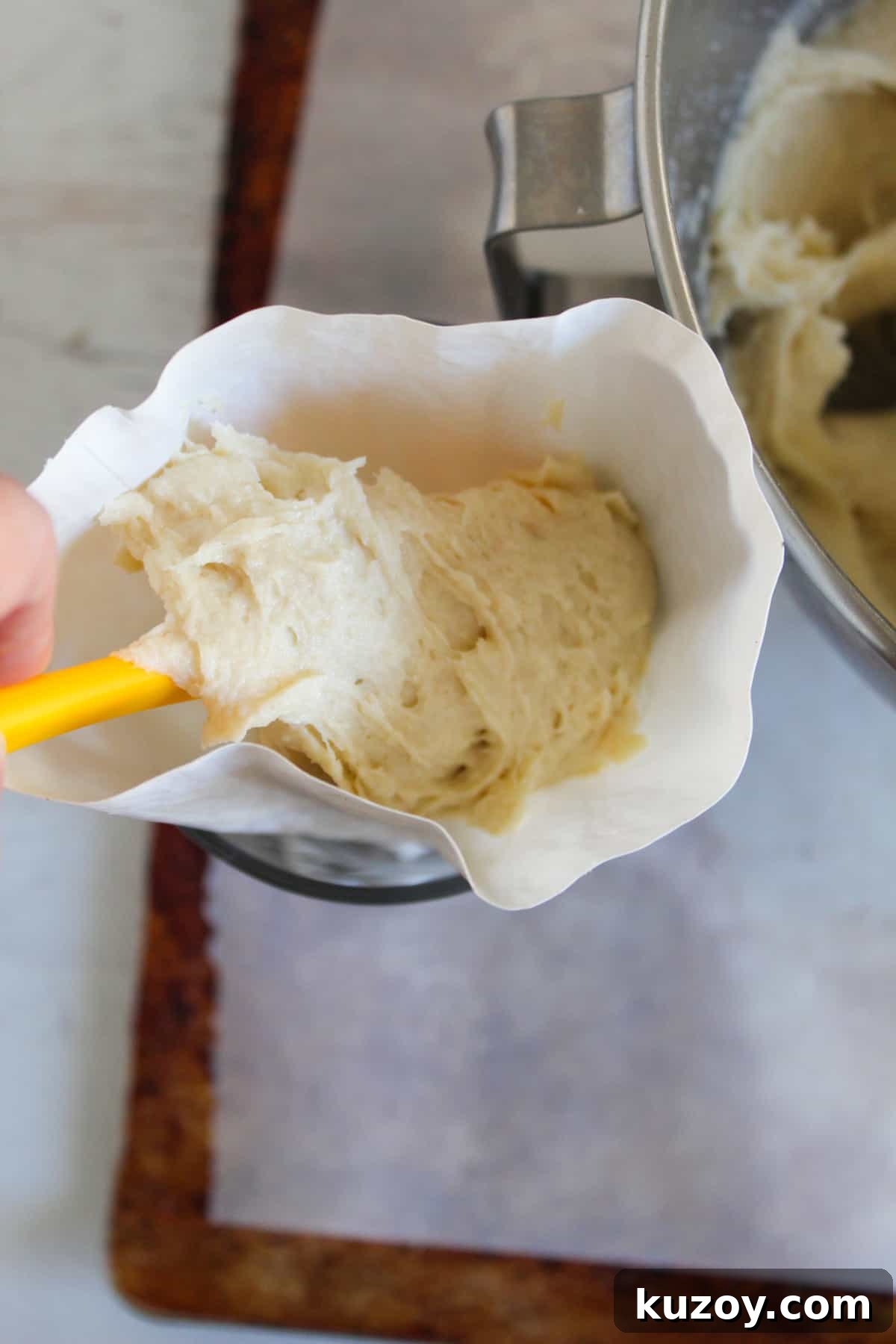
Transfer the dough into a pastry bag or a large zip-top bag with a ¾-inch opening cut in one corner for piping.
Step 6: Preheat and line
Preheat oven to 375°F and line a baking sheet with parchment paper.
Step 7: Pipe the dough
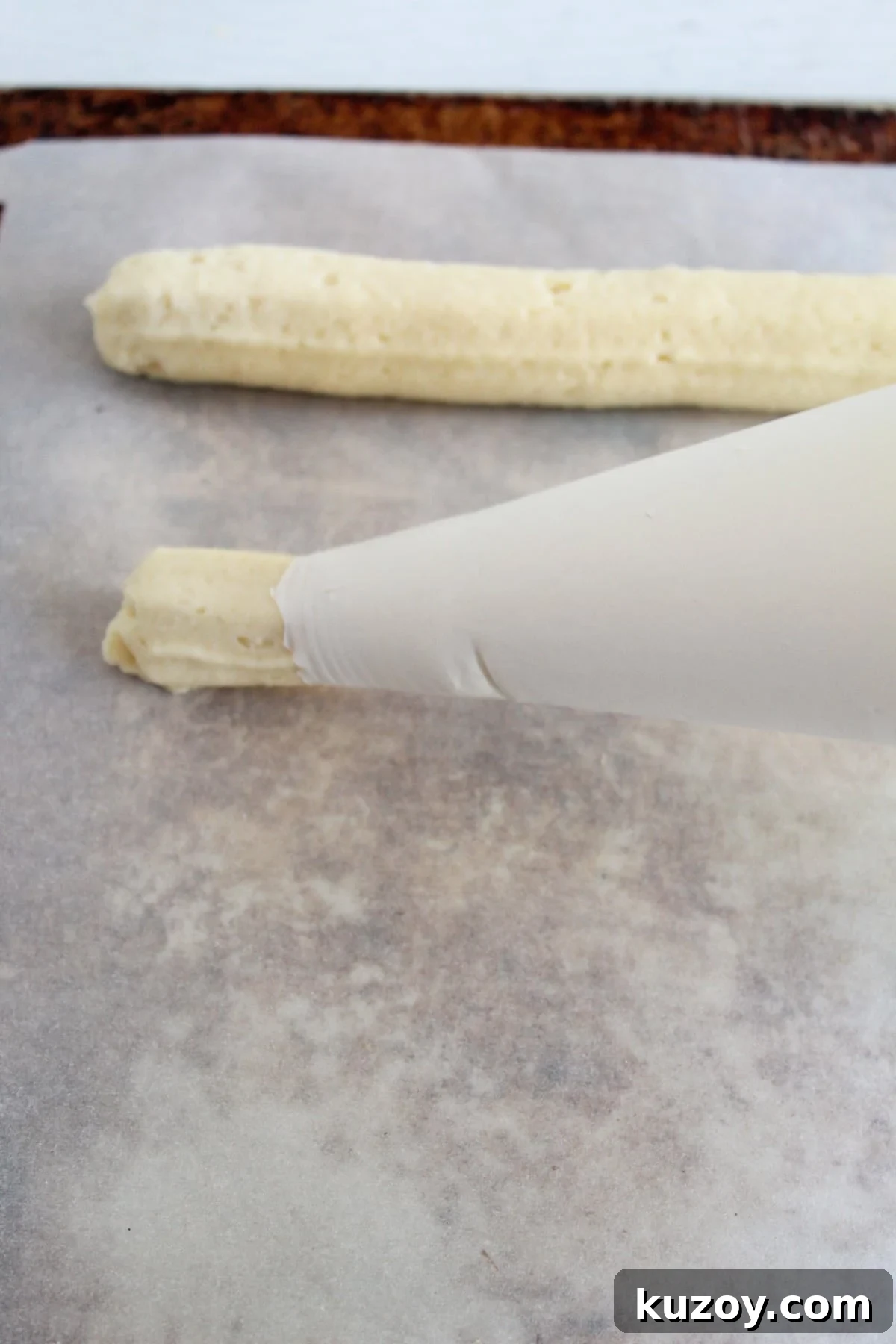
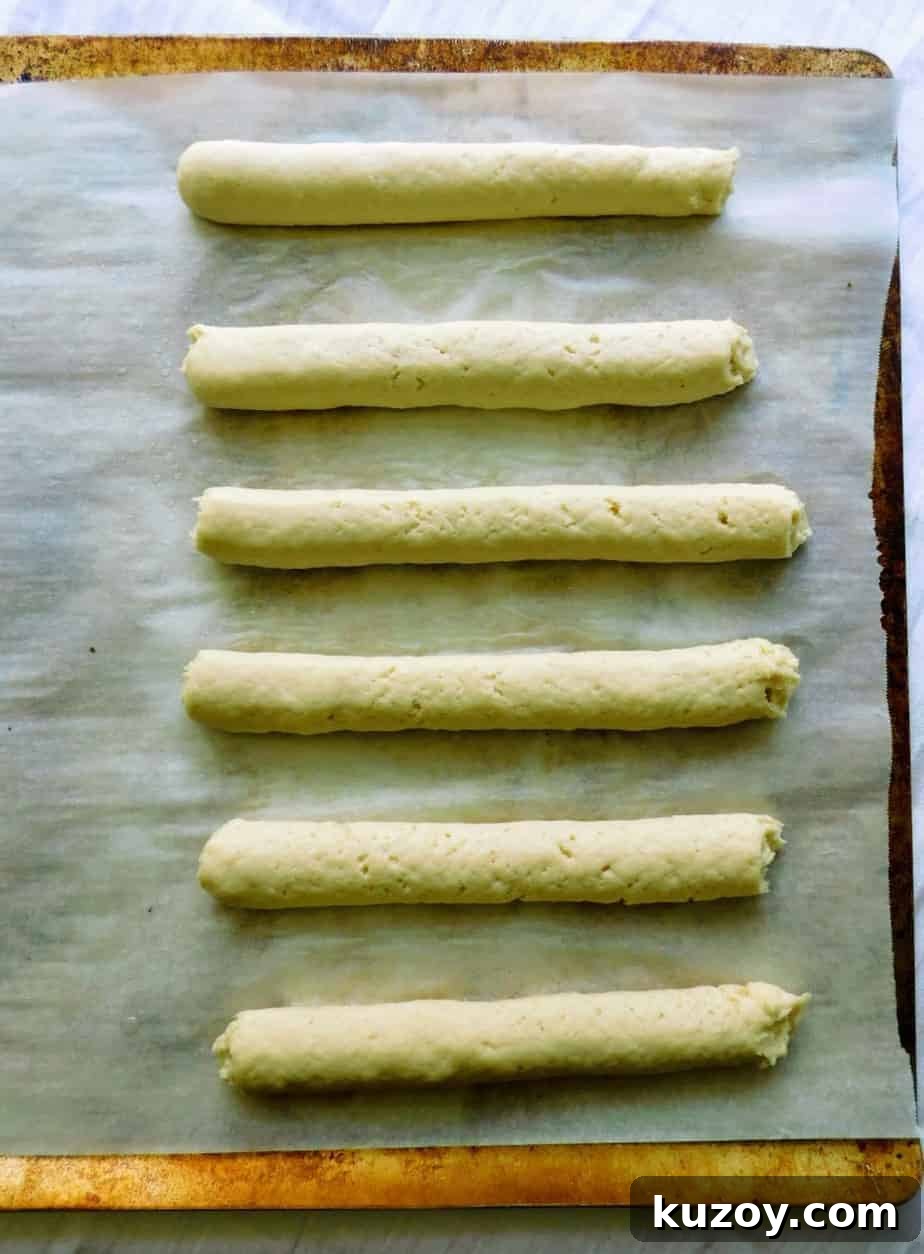
Pipe the dough into 12 breadsticks about 7 inches long, spacing them slightly apart. Let rise about 10 minutes before baking.
Step 8: Bake until golden
Bake about 15 minutes or until lightly golden on top. Immediately brush with olive oil or garlic butter while warm.
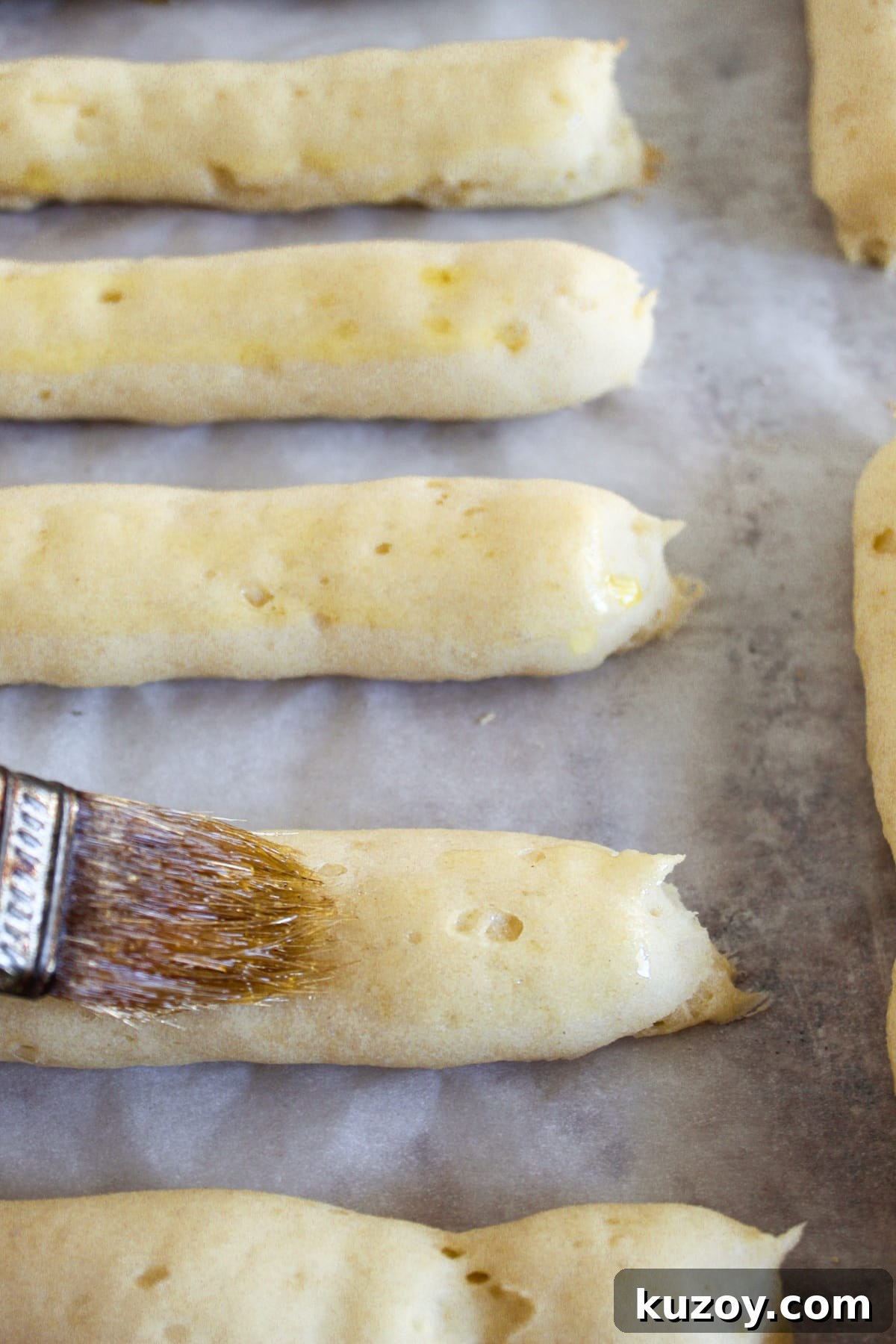
Step 9: Season and serve
Finish with Italian seasoning and coarse salt before serving. Let cool slightly for best texture.
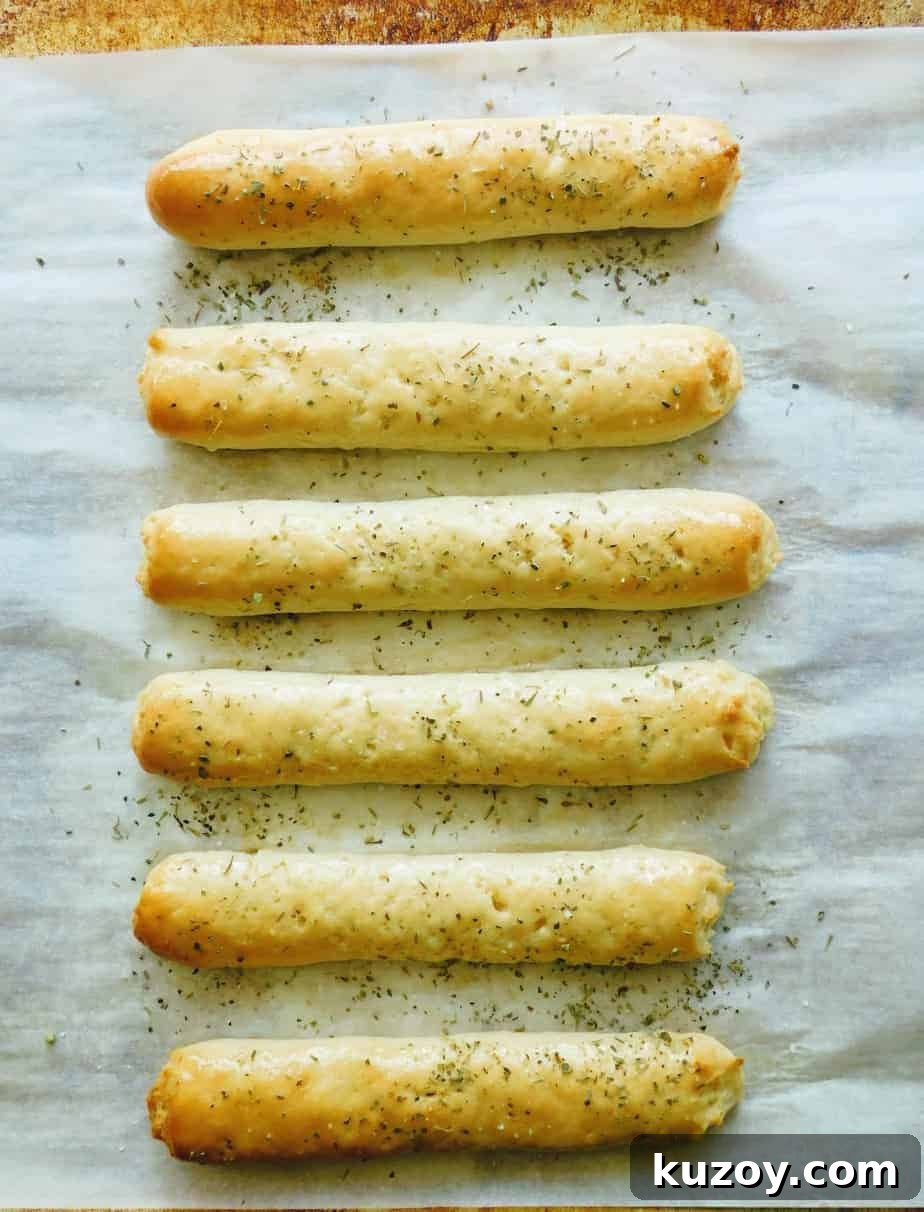
Effective Tips for Making These Gluten-Free Breadsticks
These tips will help you get consistent, delicious results:
- Brush oil or garlic butter immediately after baking.
- A wetter dough yields softer breadsticks—avoid adding too much flour.
- Use a stand mixer to ensure even mixing and consistency.
- Use room-temperature eggs so they don’t interfere with yeast activation.
- Check yeast freshness—expired yeast won’t rise properly.
- Pipe with a plastic bag for uniform shapes that bake evenly.
- Avoid overbaking; remove when tops begin to turn golden.
Creative Variations Of These Gluten-Free Breadsticks
These breadsticks are easy to personalize. Try savory or sweet variations, or change shapes for a new presentation.
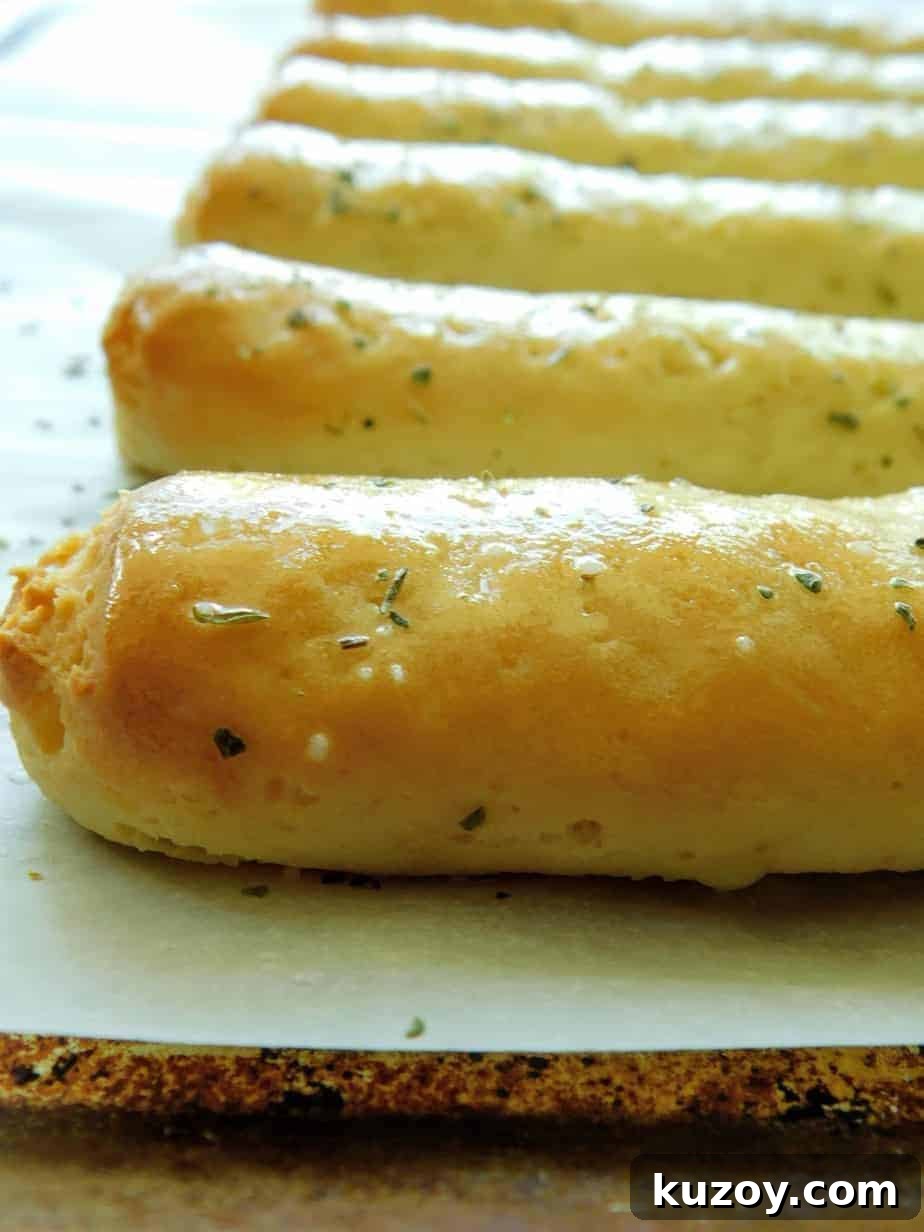
Savory Twists
Fold shredded Parmesan or Asiago into the dough or sprinkle on top before baking. Brush with garlic butter or oil mixed with chili flakes for spice. Top with everything bagel seasoning, sesame seeds, or flaky sea salt for texture.
Sweet Variations
Dust with cinnamon sugar after baking, or swap Italian herbs for cinnamon in the dough and serve with honey butter or chocolate sauce.
Dipping Boards
Serve a selection of dips—marinara, pesto, hummus, or spicy mayo—for a shareable breadstick board perfect for parties.
Fun Shape Ideas
Shape the dough into twists, braids, or knots for a decorative touch, or press into an 8×8 pan for a focaccia-style version topped with rosemary and olives. For crisp snacks, pipe thinner grissini-style sticks.
Best Serving Suggestions for Gluten-Free Breadsticks
Breadsticks pair beautifully with hearty meals and dips. Serve them warm alongside pasta, soups, or as part of a shareable appetizer spread.
Serve With Dipping Sauces
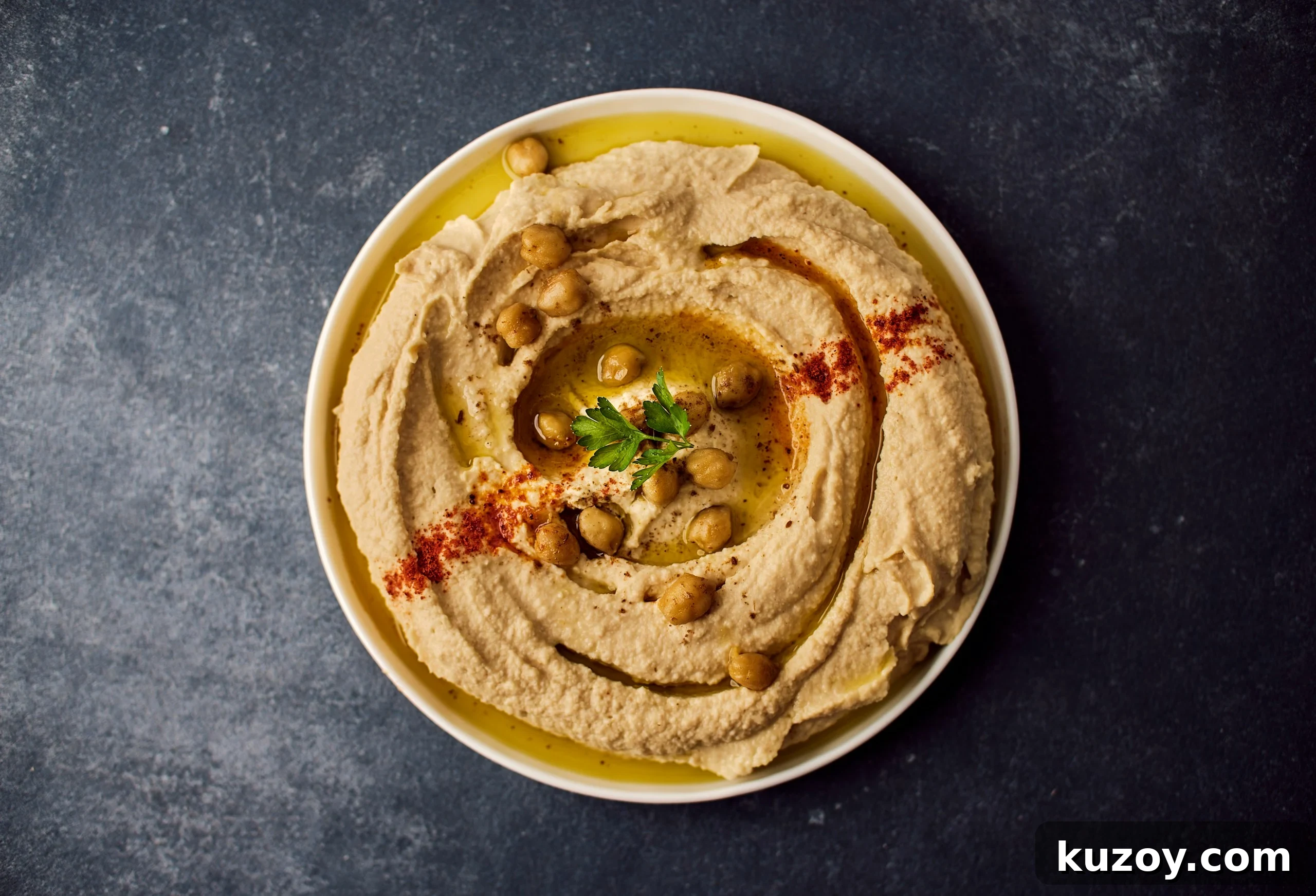
Serve warm with marinara or arrabbiata for classic Italian flair, or try basil pesto, hummus, or spicy sriracha mayo on a dipping board.
Pair With Main Meals
They’re great with saucy pastas and soups—use them to sop up sauces or serve alongside salads for a complete meal.
Add Extra Toppings
Brush with garlic butter and sprinkle Parmesan immediately after baking, or top with shredded mozzarella and briefly broil for cheesy breadstick bites.
How To Freeze, Store, and Rewarm Your Gluten Free Breadsticks
Handled properly, these breadsticks store well for meal prep or make-ahead baking.
Room Temperature Storage
Cool completely, then store in an airtight container at room temperature up to 2 days for best texture.
Freezing Instruction
Cool fully, place in a freezer-safe bag or airtight container, and freeze up to 2 months.
How To Reheat
Reheat frozen breadsticks directly in a 325°F oven for 10–15 minutes until warmed through. Brush with melted butter or olive oil before serving for extra flavor.
Frequently Asked Questions (FAQs)
Below are answers to common questions when making gluten-free breadsticks.
Why do my breadsticks turn out dense or gummy?
Inaccurate flour measurement, overproofing, or too little xanthan gum are common causes. Weigh your flour and proof the dough just until slightly puffy for best results.
Can I double the recipe?
It’s better to make two separate batches rather than doubling all ingredients at once—smaller batches give more consistent results with gluten-free dough.
Can I make these vegan?
Yes. Replace the egg with aquafaba or a flax egg, use olive oil instead of butter for the topping, and ensure your flour blend is vegan.
How do I substitute instant yeast for active dry yeast?
With instant yeast, mix it into the dry ingredients and omit the proofing step—add warm liquid with the wet ingredients instead.
How do I fix sticky dough?
Gluten-free dough is naturally sticky; wet or oil your hands before handling rather than adding flour, which can dry out the breadsticks.
Do gluten-free breadsticks freeze well?
Yes. Once baked and cooled, store in a freezer-safe bag for up to 3 months. Reheat at 350°F for 5–10 minutes to restore texture.
More Quick and Easy Gluten-Free Bread Recipes You’ll Like
If you enjoy these breadsticks, try other quick gluten-free breads for pairing with meals or snacking.
- Gluten Free Focaccia Bread — quick prep and great with any meal.
- Low Carb Bread — flourless and gluten-free.
- Gluten-Free Pita Bread — fluffy and simple with just a few ingredients.
- Peanut Butter Sandwich Bread — protein-packed and fluffy.
- Gluten Free Blueberry Bread — bursting with seasonal fruit.
These breadsticks are ideal for many occasions and tend to disappear quickly once served.
Let Us Know in the Comments!
How did your breadsticks turn out? Were they crisp outside, soft inside, and full of flavor?
If you tried this recipe, leave a comment to share your results, swaps, or tips. Your feedback helps others improve their baking too.